Last updated: June 2026
November is one of the most underrated months to visit Morocco. The summer heat has lifted, the Sahara is at its most comfortable, city prices have dropped, and you can actually move through a medina without queuing to breathe. The trade-offs are real - shorter days, cool desert nights, and genuine rain in the north - but for most itineraries, November delivers.
Six trips since 2017, and November is the month I keep recommending to people who want Morocco without the spring rush or the summer punishment.
Weather by Region in November
Morocco spans a lot of geography, so “November weather” means very different things depending on where you are.
Marrakech settles into its most pleasant stretch of the year. Daytime highs run 21-26°C, dropping from the low 20s by late November. Nights cool to around 9-11°C - not cold enough to spoil anything, but you will want a jacket once the sun goes down. Expect around 6 rainy days across the month, with roughly 41mm of rainfall. Clear skies most of the time, with excellent light for photography. The city is entirely walkable in a way it simply is not in July.
The Sahara (Merzouga/Erg Chebbi) is arguably at its best in November. Daytime temperatures reach 23-25°C - warm but not scorching. Nights are a different story: temperatures drop to 8-10°C, sometimes lower in late November, and the thin desert air holds no warmth once the sun sets. A camel trek at dusk followed by a night at a desert camp is spectacular in November, but you need layers. Your camp will provide blankets, but bring a fleece. See our Sahara desert tours page for what overnight camps typically include.
The Atlantic Coast (Essaouira, Agadir) cools noticeably in November. Agadir sits at 13-24°C with about 3 rainy days; the sea temperature is still 20°C, warm enough for a swim if you are not fussy. Essaouira hovers around 18-21°C and the Atlantic wind gets more insistent - it is always windy there, but November wind has an edge. Good for walking the ramparts, less ideal for a beach day.
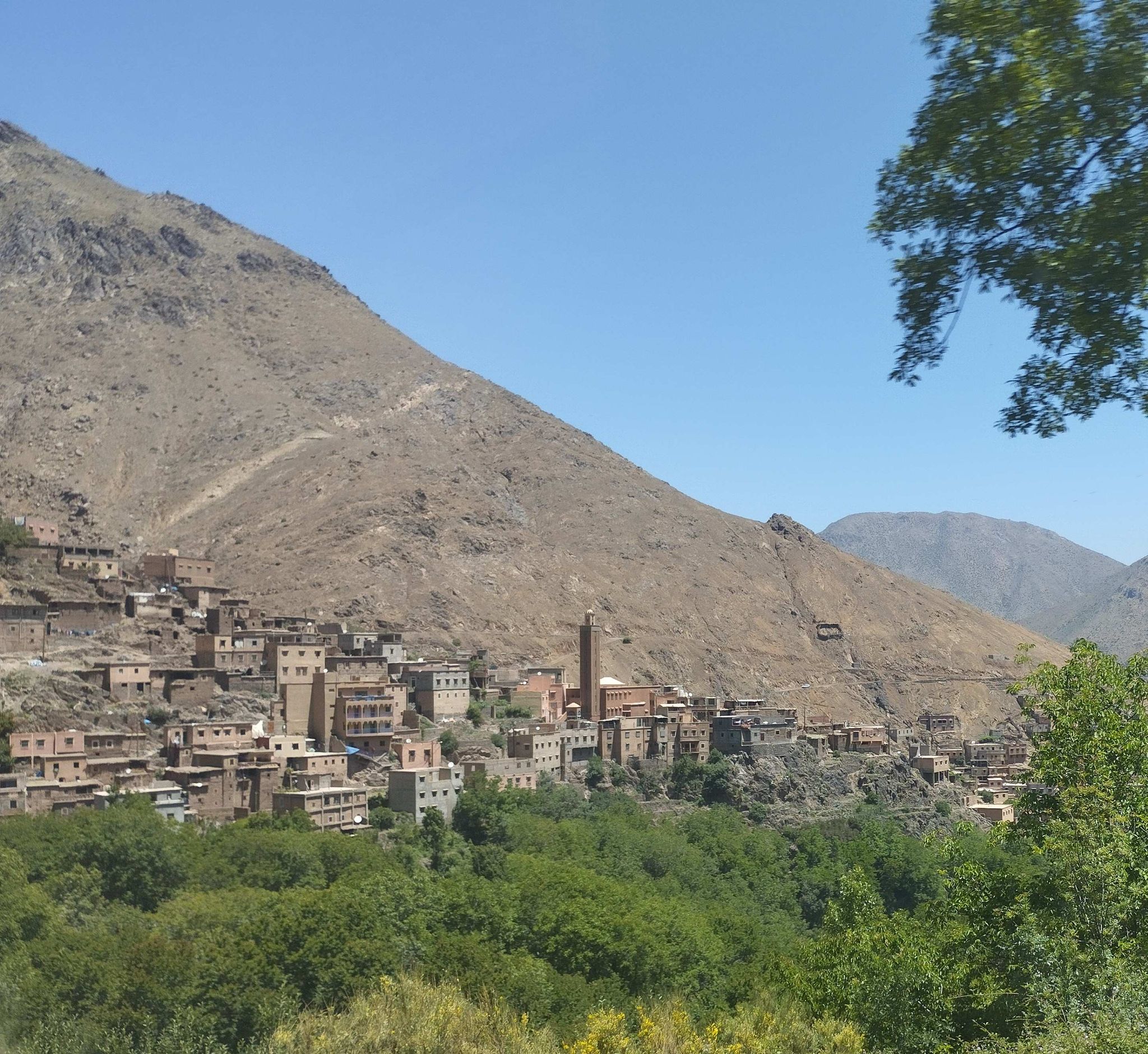
The High Atlas shows its winter face in November. Jbel Toubkal and the peaks above 2,500m can get their first snowfall from late October onwards, and by mid-November there is often snow at altitude. Day hikes from Imlil are still fine if the weather is clear, but serious trekking routes get icy and require crampons after significant snowfall. Check conditions before booking any multi-day Atlas trek in November.
The North (Chefchaouen, Fes, Tangier) is the most weather-variable part of Morocco in autumn. Fes averages 9 rainy days in November, accumulating around 42mm. Chefchaouen, being higher and more exposed to Atlantic fronts, can be genuinely wet. Daytime temperatures are fine - 18-20°C in Fes, a few degrees cooler in Chefchaouen - but plan around potential rainy days if the north is on your route. The famous blue streets of Chefchaouen look beautiful in drizzle if you have the right kit, but they can be slippery.
What Works Well in November
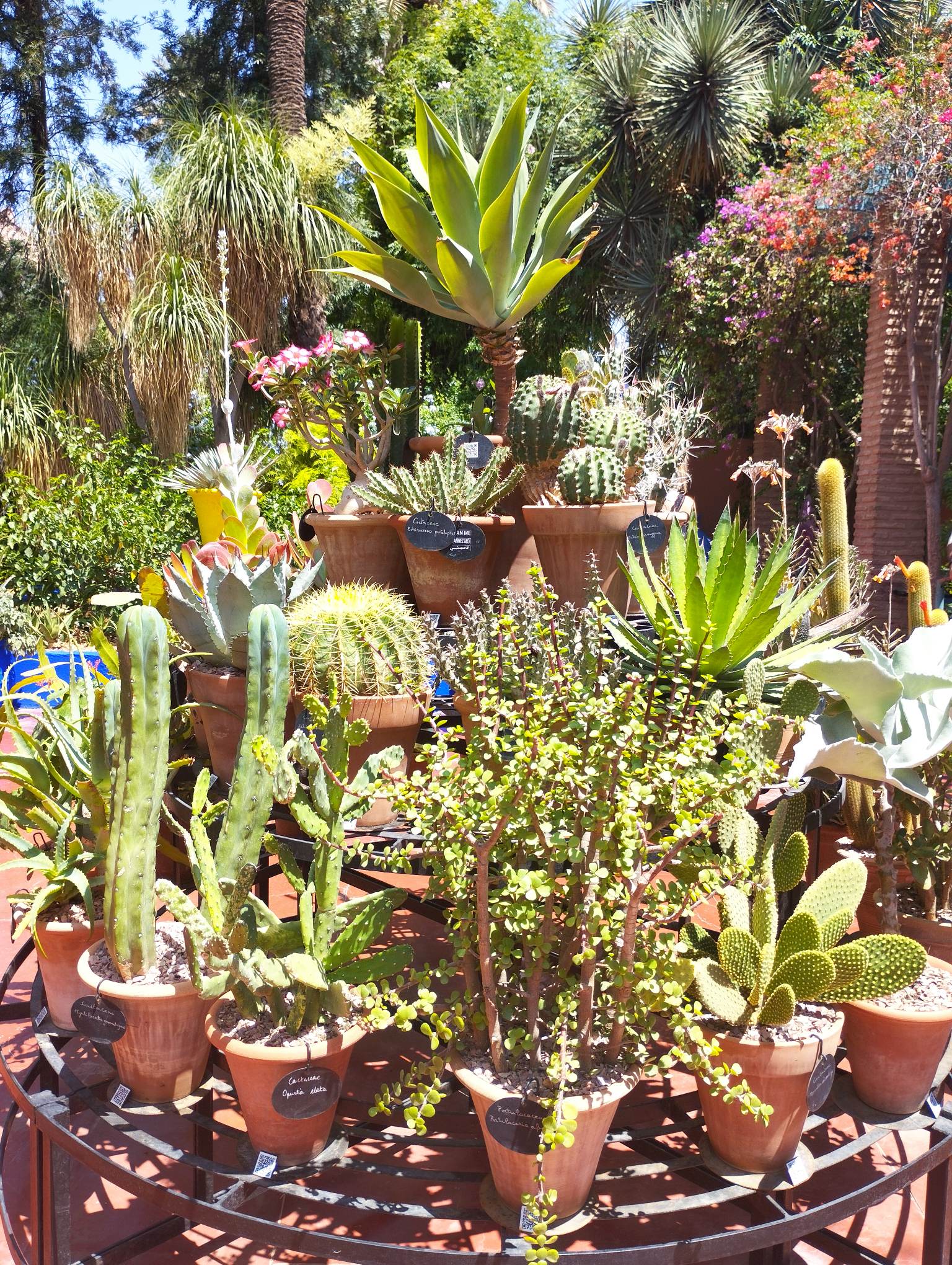
Marrakech sightseeing. The Bahia Palace, Saadian Tombs, and Jardin Majorelle are all manageable in November without the spring crush. You can browse the souks without sweating through your shirt. Djemaa El Fna at sunset is still full of life.
Sahara expeditions. This is the single strongest argument for a November trip. The Sahara in July-August is brutal heat; January-February nights drop near freezing. November hits a sweet spot: comfortable days, cold but endurable nights, and clear skies. The stargazing from a desert camp in November is extraordinary. Browse our Sahara tours to see what runs in November.
Crowd levels. November is genuine shoulder season. Riads that are fully booked in March and April have availability. Souks and medinas are navigable. You are not competing with coach parties at every site.
Prices. Accommodation runs roughly 15-25% lower than spring peak. A Marrakech riad that costs 900-1,100 MAD a night in March may be 600-750 MAD in November. Sahara tours similarly drop from peak pricing. Flights from Europe are often cheaper than March-May.
Light quality. The late-autumn sun sits lower in the sky and the light is clear and golden rather than the bleached-out white of summer. If you care about photography, November is genuinely good.
For a fuller comparison with the month before, see Morocco in October, and for what comes next, Morocco in December.
What Does Not Work as Well
Desert nights. This deserves repeating. If you are doing a Sahara overnight and you pack for a warm trip, you will be cold. Temperatures at Merzouga can drop to 7-8°C at 3am. The camps provide blankets but I have never found desert camp blankets quite enough in late November. Bring a fleece or a thin sleeping bag liner.
Northern Morocco in bad weather. A wet day in Chefchaouen with a heavy pack is tiring. The Rif Mountains can cloud over completely. If the north is your main destination, November is manageable but not ideal - the best time to visit Morocco guide covers this in more detail.
Shorter days. Sunset is around 6pm by mid-November. You lose the long evening light of spring. If you are planning to pack a lot of sightseeing into each day, that window is tighter.
Some popular day trips. High-altitude routes in the Atlas get unpredictable. A day trip to Ourika Valley is fine; a serious trek towards Toubkal needs weather checking.
Packing for November Morocco
The range of conditions you might hit in a single itinerary is wide. Pack accordingly.
- Base layers you can peel off midday in Marrakech
- A fleece or mid-layer - genuinely needed in the Sahara at night and Chefchaouen
- A packable jacket (windproof works well on the coast)
- Comfortable walking shoes - cobblestones in medinas, sand in the desert
- Waterproof layer if you are going north (Fes, Chefchaouen, Tangier)
- Sunscreen - the sun is lower but still strong in Marrakech and the south
- Layers for the desert camp - the temperature swing (25°C to 8°C) is dramatic
Light trousers and long-sleeved shirts are practical both for the temperature and for navigating conservative areas comfortably. See the Marrakech travel guide for city-specific packing notes.
Activities That Shine in November
Camel trekking and desert camping - the headline reason to visit in November. Dusk rides across the dunes, a clear night sky, cool but not brutal temperatures.
Medina walks and souks - Marrakech and Fes at a comfortable pace, without summer exhaustion.
Hammam visits - November is exactly when a proper hammam makes sense. The cooler evenings make the steam room genuinely restorative rather than excessive.
Day trips to Ait Ben Haddou and the Draa Valley - the roads are clear and the light is good. The Draa palmeries look good in autumn.
Imlil and the Atlas foothills - lower elevation walks are fine and the first snow on the peaks makes for dramatic views. Day-level routes around 1,800-2,000m are generally accessible.
Agadir beach - not sunbathing weather by most standards, but a long walk along the beach and promenade with 20°C temperatures and low crowds is genuinely pleasant.
How November Compares to Other Months
If you are weighing months: October edges November for Sahara warmth and zero rain risk in the north, but November beats October on price and crowds. By December, the Sahara nights are meaningfully colder and the north wetter, though cities are even quieter and cheaper. For most itineraries combining Marrakech, desert, and maybe one northern stop, November is the value version of October with minor trade-offs.
If the Sahara is your priority and you do not mind a chilly night at camp, November may actually be your best option across the full year.
Frequently Asked Questions
Is Morocco warm enough to visit in November?
Yes, for most of the country. Marrakech averages 21-26°C during the day, the Sahara reaches 23-25°C, and even the Atlantic coast sits around 18-24°C. You will need a jacket in the evenings and mornings, particularly in the desert, but daytime temperatures are comfortable for sightseeing throughout.
How cold does the Sahara get at night in November?
Sahara nights in November at Merzouga drop to around 8-10°C, sometimes lower in late November. The temperature swing between midday and 3am can be 15-18°C in a single day. Desert camps provide blankets but bring a fleece - most travellers are surprised by how cold it gets once the sun has been down for a few hours.
Does it rain a lot in Morocco in November?
It depends on the region. Marrakech and the south see light rainfall - perhaps 6 rainy days over the month, mostly brief. The north is wetter: Fes and Chefchaouen can have 8-10 days of rain, occasionally with full overcast days. The Sahara almost never sees rain. If rain is a concern, centre your trip in the south and treat a northern stop as weather-dependent.
Are flights and hotels cheaper in November?
Generally yes. November is shoulder-to-low season for most of Morocco. Riads in Marrakech run noticeably lower than spring prices, Sahara tour operators have capacity, and European flight prices tend to ease compared to the March-May peak. It is one of the better value months of the year.
Can you do Atlas Mountain trekking in November?
Lower elevation walks (below 2,000m) are generally fine in November with good boots and layers. Higher routes towards Toubkal (4,167m) become icy and require crampons after significant snowfall. Snow above 2,500m can appear from late October. Check conditions with a local guide before committing to any high-altitude route.
Is November a good time for a first visit to Morocco?
It is a very good time. The combination of comfortable city temperatures, ideal Sahara conditions, lower crowds, and reduced prices makes November one of the better months for a first trip - particularly if you are combining Marrakech with a desert tour. The main caveat is packing for a wider temperature range than you might expect, especially if you are heading to the desert.
Ready to Book?
Browse curated Morocco tours from verified operators, filtered by interest and budget.
Find Your Perfect Tour