Last updated: June 2026
September is a genuine all-rounder for Morocco - but only if you understand the split. Early September is still hot inland. Late September is a different country. Get the timing right and you will hit Morocco at almost its best.
I have done six trips to Morocco since 2017, including one in September 2022. The heat that month caught me slightly off guard in Marrakech. This guide is what I wish I had read before that trip.
For a broader look at how September sits in the calendar, see our full guide to the best time to visit Morocco. If you are deciding between months, also read Morocco in October - it is easier across the board, and worth comparing.
September in Morocco: The Short Version
September is a transition month. The brutal peak-summer heat of July and August starts easing, but it does not vanish overnight. Inland cities like Marrakech and Fes stay warm well into the first half of the month. The coast and the Atlas Mountains are pleasant almost throughout. The Sahara becomes genuinely viable again in the second half of the month - and the sea reaches its highest temperatures of the whole year.
Post-peak tourism means fewer crowds than spring high season and slightly more accommodation availability, though September still draws strong numbers, especially from European visitors on school-holiday timing.
Weather Region by Region
Marrakech and inland cities (Fes, Meknes)
This is where September splits most sharply. In early September, Marrakech daily highs sit around 33-35C. That is still uncomfortable for long medina walks in the afternoon. By late September, highs drop to around 26-28C - a meaningful difference that makes everything easier.
Fes follows a similar pattern but runs a couple of degrees cooler than Marrakech. Both cities are dry, with negligible rain through September.
Practical advice: if you are visiting Marrakech in early September, do medina and souk exploration in the morning before 11am and after 5pm. Midday is not the time to be walking the tanneries. By the last week of September, that constraint mostly lifts.
The Atlantic coast (Essaouira, Agadir, Taghazout)
September on the Atlantic coast is excellent. Temperatures are warm without being punishing - typically 22-26C during the day - and the Atlantic breeze keeps things comfortable. Essaouira, always windier than the rest of Morocco, is particularly pleasant.
The sea is at its warmest. Atlantic water temperatures at Essaouira and Taghazout peak in September, sitting around 21-22C. At Agadir, the sheltered bay runs slightly warmer. This is the one month when the Atlantic coast genuinely competes with warmer-sounding destinations. If swimming or surfing is part of your trip, September is the month for it.
The Mediterranean coast (Tangier, Al Hoceima, Nador)
The Mediterranean runs warmer than the Atlantic - water temperatures reach 23-24C in September. The coast around Al Hoceima is beautiful and receives far fewer visitors than the Atlantic resorts. Air temperatures are warm and pleasant, typically 25-30C.
High Atlas Mountains
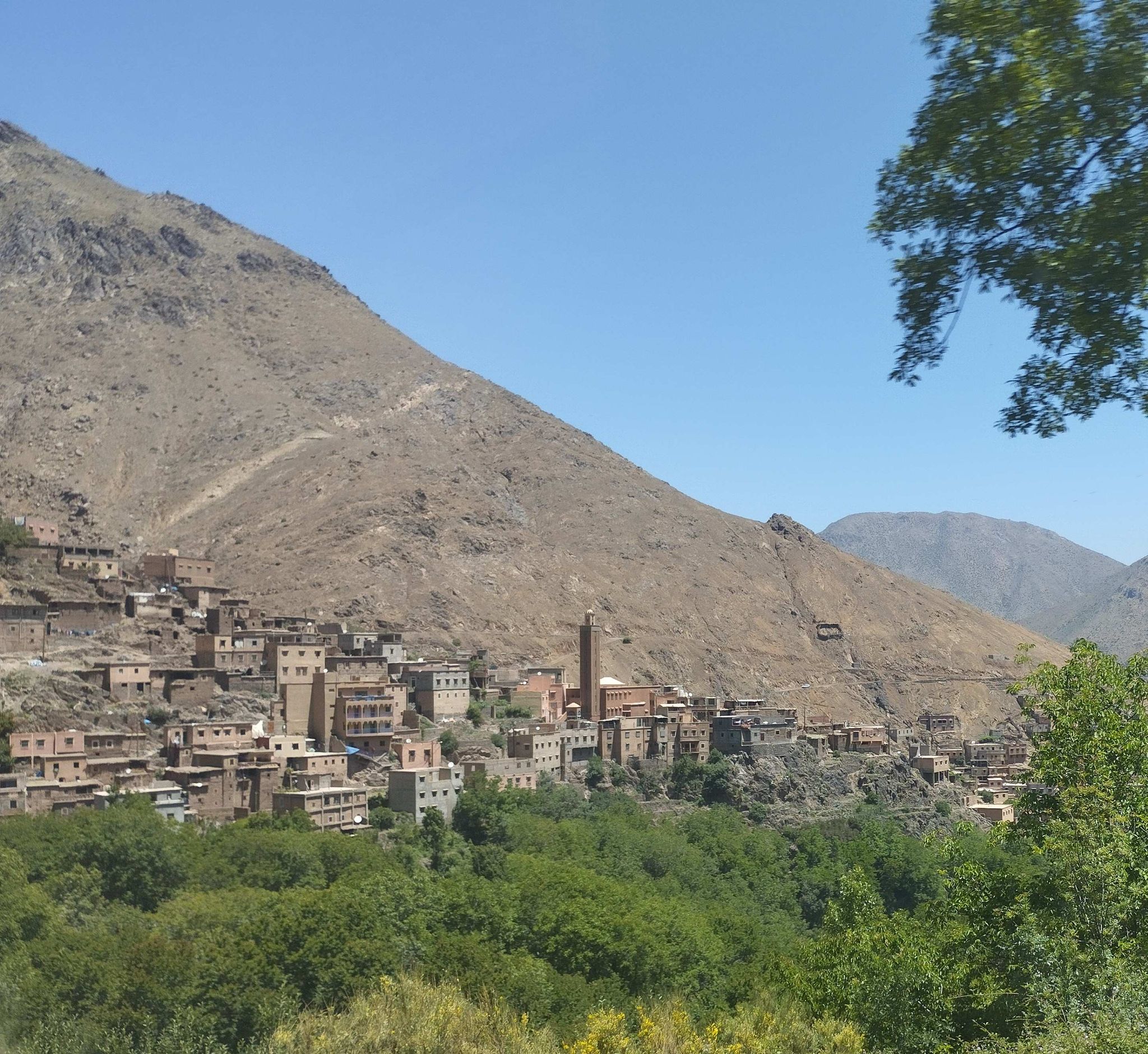
September is one of the two best months to trek the Atlas, alongside April-May. The summer heat in the valleys has softened, skies are stable, and the higher elevations above 3,000m are clear before autumn storms arrive in earnest in October-November.
Expect daytime temperatures of around 20-25C at valley level and noticeably cooler above 2,000m. Start early on summit days - afternoon cloud can build quickly on the higher peaks, including Toubkal.
Sahara (Merzouga, Erg Chigaga)
Honest assessment: early September in the Sahara is still very hot. Daytime highs at Merzouga can reach 38-40C in the first two weeks of the month. That is manageable - the Sahara is always hot - but it limits you to early morning and late afternoon activity. Midday is genuinely uncomfortable even for those used to heat.
Late September is different. Daytime highs drop to around 30-33C, nights cool to 15-20C, and the dune experience - camel trek at sunset, sleeping under stars - becomes much more enjoyable without the extreme heat pressing down on you. Late September is when we would say the Sahara is back in play properly.
See our Sahara desert tours guide for how to structure the timing of a desert visit.
What September Gets Right
The sea. September is the peak of Atlantic sea temperatures - warmer than July and August, which might surprise you. If you are combining cities with coastal time, hit the coast in September and you will have genuinely warm swimming water.
Post-peak crowds. Spring (March-May) is Morocco’s real high season. September is busy but not crushed. Jemaa el-Fnaa at night is lively without being unnavigable. Riads have more availability than spring and slightly softer prices in the first half of the month.
The Atlas. Some of Morocco’s best trekking is accessible from Marrakech - the day trip to Imlil and Toubkal is excellent in September, and the Ourika Valley is green after summer warmth. You are not fighting winter snow and not roasting at altitude.
Evening Marrakech. Late September evenings in Marrakech are genuinely magical - warm enough to sit outside, cool enough to be comfortable. Rooftop dinners, outdoor restaurants, sunset from the Koutoubia gardens. The city shows well at this time of year.
Shoulder-season flexibility. You can book tours with less lead time than spring. Our available tours in September tend to have more flexibility than the March-May window, which often books out weeks ahead.
What September Gets Wrong
Early September heat inland. If you land in Marrakech on 1 September expecting autumn freshness, you will be disappointed. It is still summer. The cooling is gradual and does not register properly until the third or fourth week. Do not plan a September trip expecting October conditions unless you are going late in the month.
Sahara timing. First-half September in the Sahara requires discipline about timing. You can do it - plenty of visitors do - but you need a guide who builds in proper shelter at midday, and you need to be honest about whether you cope well in extreme heat.
Riad availability at the coast. September is popular with European visitors who want coastal Morocco. Good riads and small hotels in Essaouira and Taghazout book up faster than you might expect. Give yourself at least 4-6 weeks lead time for those.
Eid al-Adha (possible). Depending on the Islamic calendar, Eid al-Adha can fall in September in some years. It is not a reason to avoid Morocco - the country is alive and interesting during Eid - but it affects business hours, some restaurants, and the general pace. Check the dates for your year.
Comparing September and Neighbouring Months
Morocco in August is hotter and busier, with domestic Moroccan tourism at its peak. Sea temperatures are slightly lower than September. Sahara is very difficult in August.
Morocco in October is arguably the most comfortable month of the year. Inland heat has broken fully, Sahara is ideal, and the Atlas is still accessible. If you are flexible, October edges it.
September sits between them - better than August for nearly everything, marginally warmer than October but with the warmest sea of the year as compensation.
What to Pack for September Morocco
The range across the country in September is significant. You can be at 34C in Marrakech and 15C at altitude in the Atlas on the same trip. Pack for both.
Essentials:
- Lightweight, breathable clothes that cover shoulders and knees (respectful in medinas and mosques, also practical in the sun)
- A light layer or packable jacket for Atlas evenings and air-conditioned transport
- Swimwear - the coast is genuinely worth using in September
- Sun protection that you will actually reapply. The September sun in Morocco is stronger than it looks
- Comfortable walking shoes that can handle cobbled medina streets
- A small daypack with a water bottle. Hydration is not optional
Sahara-specific: If you are including a desert camp, bring one warm layer for the night (even late September nights drop to 15-20C, which feels cold after a hot day), and closed-toe shoes for morning dune walks before the sand heats up.
See our Morocco packing guide for a fuller list.
Activities That Work Well in September
- Atlas trekking - excellent throughout the month, particularly above 1,500m
- Coast and surfing - Taghazout surf season is picking up in September, and Essaouira is ideal
- Fes medina exploration - slightly cooler than Marrakech and fascinating, September is a good month for it
- Sahara camel trek - viable all month if you manage timing, ideal from late September
- Cooking classes - Marrakech cooking classes are enjoyable year-round; in September the evening market ingredient runs are particularly atmospheric
- Day trips from Marrakech - Ourika Valley, Ouzoud Waterfalls, Ait Benhaddou - all excellent in September
Browse available tours to see what fits a September itinerary. Most multi-day routes work well with a late-September start date if the Sahara is part of the plan.
Frequently Asked Questions
Is September a good month to visit Morocco?
Yes, particularly the second half. Late September is one of Morocco’s better months - heat has dropped inland, the Sahara is comfortable, the coast is warm with the year’s warmest sea temperatures, and crowds are lower than peak spring season. Early September still runs hot inland, so manage your expectations if you are arriving in the first two weeks.
How hot is Marrakech in September?
Early September: daily highs around 33-35C. Late September: highs drop to around 26-28C. Nights are warm throughout - around 19-22C. The cooling is gradual across the month rather than a step change. You will feel the difference clearly by the last week.
Is the Sahara too hot in September?
Early September is challenging - daytime highs at Merzouga can reach 38-40C. Experienced guides manage this by scheduling camel treks at dawn or dusk, not midday. From around the third week of September, daytime highs drop to 30-33C and the desert experience becomes significantly more enjoyable. Late September is one of the better times to visit the Sahara.
What is the sea temperature in Morocco in September?
September is actually the warmest month for sea temperatures along the Moroccan Atlantic coast. Essaouira and Taghazout average around 21-22C; Agadir runs slightly warmer in its sheltered bay. The Mediterranean coast around Al Hoceima is warmer still at 23-24C. For swimming, September is genuinely the best month on the water.
Is Morocco crowded in September?
Busier than October and November but much less crowded than spring high season (March-May). European visitors on late-summer and early-autumn schedules fill September, particularly the first two weeks after schools return and families take one last trip. Availability is reasonable with 4-6 weeks’ notice, but do not leave popular riads to last minute.
What should I wear in September in Morocco?
Lightweight breathable clothing that covers knees and shoulders is the practical combination - respectful in the medinas and useful protection against the September sun. Bring one warm layer for Atlas day trips or Sahara nights. Swimwear for the coast. Comfortable flat shoes for cobblestones. The dress code in Morocco does not change by month, but September’s warmth means even more reason to prioritise breathable fabrics.
Ready to Book?
Browse curated Morocco tours from verified operators, filtered by interest and budget.
Find Your Perfect Tour