Last updated: June 2026
May is one of the most rewarding months to visit Morocco - and also one where a bad itinerary can leave you sweaty and frustrated. Get the balance right and it’s genuinely excellent. Get it wrong and you’ll be hiding in your riad at midday wondering what everyone raved about.
I’ve been to Morocco six times since 2017, twice in May. Here’s what I actually found.
May Weather Across Morocco - Region by Region
Morocco is not a small country, and May weather varies dramatically depending on where you are.
Marrakech sits at around 28-31°C through most of May, climbing to 34°C or higher by the last week. It’s warm rather than punishing in the first half of the month, but by late May the medina can feel airless and close by early afternoon. The evenings are beautiful - warm enough to sit outside without a jacket, cool enough to actually enjoy it.
Fes and the north run slightly cooler, averaging 23-25°C in May. It’s more manageable on foot, and the city works better when you’re not melting. The medina’s covered streets help.
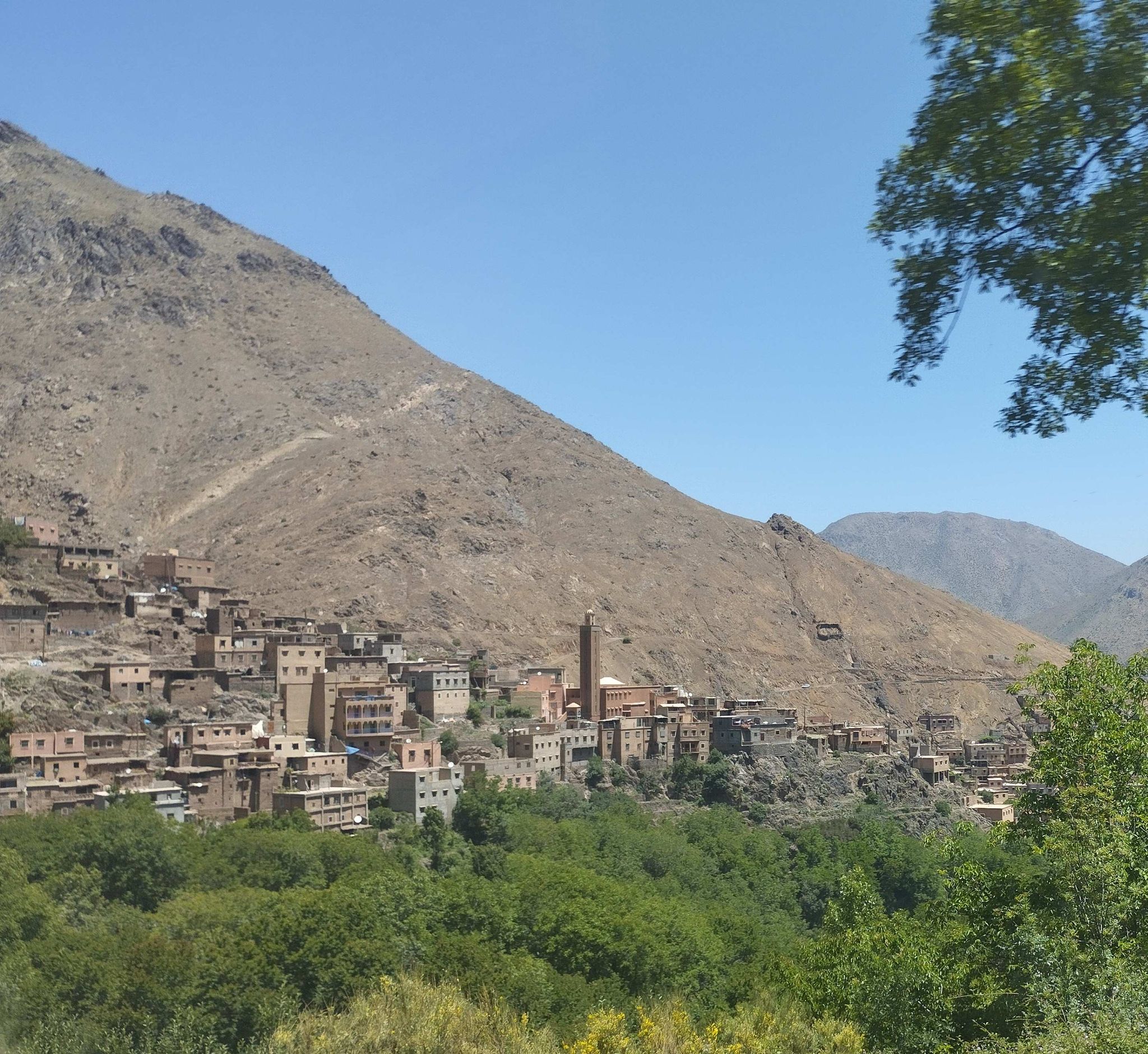
The Atlas Mountains are in their green season. Temperatures in the valleys hover around 20-22°C, and the high passes are clear of snow by mid-May. Wildflowers are out. If you want to trek the Atlas, May is probably the best month you’ll find.
The Sahara is where things get honest. Merzouga daytime temperatures average around 35°C in May, with midday pushing higher. Nights drop to a comfortable 20°C - those sunset and sunrise dune hours are genuinely beautiful. But the middle hours of the day are best spent indoors or in shade. If you picture yourself striding across dunes at 2pm, adjust that image. You’ll want to do dunes at 6am or an hour before sunset, full stop.
Coastal towns - Essaouira especially - stay much cooler thanks to the Atlantic wind. Essaouira sits around 20-23°C in May and is the refuge you’ll want to know about if you’re travelling through.
What’s Actually Good About May
The roses. The Dades Valley - and specifically the area around Kelaat M’Gouna - turns extraordinary in May. Around a million rose bushes come into bloom, and the scent when you drive through the valley is something I still remember clearly. The Rose Festival - actually held in May, typically mid-month - draws locals from across the region for music, rose water, folk dancing, and parades. It’s one of the few festivals in Morocco that feels genuinely rooted in local tradition rather than performed for tourists.
The Atlas is at its best. Trekking conditions in the High Atlas are excellent in May. Trails that were snowed in or boggy in March and April are clear, rivers are running, and the higher valleys are green. If you want to explore the Atlas - day trips or longer treks - this is the window. See our Atlas Mountains day trips guide for where to go.
Shoulder season crowds. April brings Easter, which can pack popular riads and push tour prices up. By May, those crowds have thinned. You’re still in high season pricing, but the medinas in Fes and Marrakech are noticeably less frantic than they were in April.
Coast and south together. In May you can still credibly combine a Sahara trip with coastal days in Essaouira, and the temperature contrast between the two makes each feel like a relief. By July, the Sahara is basically off the table for most travellers.
What’s Harder About May
The Sahara is heating up. I’ll be direct: if the Sahara is your main reason for coming to Morocco, March or October are better months. May is still doable - the dunes are beautiful at dawn, the sky is extraordinary, and the evenings are warm and starry - but you need to plan around the heat. Sandstorms are also more common in May than earlier in the year. One of my nights in Merzouga was spent listening to grit rattle against the windows. Not romantic, but real.
Marrakech late May. The last ten days of May are notably hotter than the first ten. If you have flexibility, front-load Marrakech into your trip and save the coast or Atlas for later in your stay.
Ramadan can land in May. Depending on the year, Ramadan may fall partly or fully in May. Morocco functions during Ramadan, but meal timings shift, some cafes are closed during daylight, and the pace of the medinas changes. It’s not a reason to avoid travelling - iftar in the evening is one of the most welcoming atmospheres I’ve experienced in Morocco - but it’s worth knowing about and planning around.
Booking. May is popular. Riads in Fes and Marrakech, and any camp in the Sahara, can be full weeks in advance. Book accommodation before you book flights.
For comparison, see our Morocco in April guide and Morocco in June guide to see how May sits in the broader picture.
The Rose Festival: What to Know
The Kelaat M’Gouna Rose Festival (also called the Festival of Roses) takes place in the town of Kelaat M’Gouna in the Dades Valley, roughly 530km southeast of Marrakech. It typically runs for three to four days in May - usually the second week, though the exact dates shift year to year and are announced in the weeks before.
The town fills with people. There’s a parade with local women wearing crowns of roses, folk music, artisan stalls selling rose water, rose oil, and cosmetics produced locally. The harvest itself happens at dawn - rose petals are picked by hand before the heat opens them too far - and if you’re staying in the valley you may see this happening in the fields around you.
Getting there: most people drive from Ouarzazate (about 90 minutes) or continue from a Sahara loop. There are no direct buses from Marrakech to Kelaat M’Gouna, so a rental car or organised tour gives you the most flexibility. We have tours through the Dades Valley and rose region available here.
Don’t expect a polished tourist festival. It’s a genuine celebration of the local rose harvest industry, and the infrastructure is basic. Accommodation in Kelaat M’Gouna itself is limited - book far in advance or base yourself in Boumalne Dades nearby.
Packing for May in Morocco
May requires layers more than you’d think. The principle is: sun protection and light layers during the day, something warm for evenings and early mornings.
- Light cotton or linen for daytime in cities and the south
- A light jacket or layer for Atlas treks, Sahara evenings, and coastal Essaouira (the wind there is real)
- Sun hat and high-SPF sunscreen - this is non-negotiable, especially in the Sahara and on any outdoor trekking
- Comfortable walking shoes that can handle uneven medina cobbles and some trail use
- Modest clothing for medinas and rural areas - shoulders and knees covered is the respectful standard
- Lip balm and hand cream - the air in southern Morocco is very dry, and it shows quickly
If you’re combining coast and desert in the same trip, pack for 20°C and 35°C in the same bag.
Getting the Most Out of May: How to Structure Your Trip
The single most effective thing you can do is route your trip south-to-north through May, or at least front-load the Sahara.
Start in Marrakech (two to three days), head south to the Dades Valley for the roses, continue to Merzouga for the desert, then return through the Atlas and north to Fes or the coast. This way you’re in the Sahara in the first week of May when it’s marginally cooler, and you finish your trip with the breezier north and coast.
The Sahara desert tours guide covers routes and what to expect from overnight camps. The best time to visit Morocco overview puts May in context against the full year if you’re still deciding.
Browse our current Morocco tours - most of our May itineraries are built with the rose festival in mind.
Frequently Asked Questions
Is May a good month to visit Morocco?
Yes, genuinely. Warm but not yet scorching in most of the country, the rose festival in the Dades Valley, Atlas trekking at its best, and lighter crowds than April. The main caveat is the Sahara, which is heating up by May - plan dune activities for early morning or sunset, not midday.
How hot does it get in the Sahara in May?
Merzouga daytime temperatures average around 35°C in May, with midday sometimes pushing higher. Nights are comfortable at around 20°C. The evenings and early mornings are the best times for dune activities. Sandstorms are possible.
When exactly is the Rose Festival in Kelaat M’Gouna?
The Rose Festival typically runs for three to four days in May, usually in the second week of the month. Exact dates vary year to year and are confirmed relatively close to the event. Aim to be in the Dades Valley between May 8 and May 20 to give yourself the best chance of catching it.
Is May too hot for Marrakech?
Early to mid-May is manageable in Marrakech - warm, around 28-31°C, with evenings you’ll actually enjoy. Late May (from about the 20th onwards) starts pushing into serious heat. If you’re sensitive to heat, time Marrakech for the first half of your May trip. The Atlas and coast are far more comfortable.
Can I do Atlas trekking in May?
May is one of the best months for Atlas trekking. High passes are clear of snow, trails are green, rivers are running, and daytime temperatures in the high valleys are very pleasant. Take layers - mornings and evenings at altitude are cool even in May.
Does Ramadan affect travel in May?
Ramadan moves through the calendar year by year, so it may or may not fall in May depending on when you travel. When it does, restaurants and cafes in traditional areas adjust their hours, and the rhythm of the medinas changes during daylight. Iftar in the evenings is a warm, welcoming experience. It doesn’t prevent travel but it’s worth researching dates for your specific year before booking.
Ready to Book?
Browse curated Morocco tours from verified operators, filtered by interest and budget.
Find Your Perfect Tour