Last updated: June 2026
February is one of the best months to visit Morocco - and also one of the most misunderstood. The days are mild and often sunny, the souks are quiet, the Sahara is at its most comfortable, and the almond trees in the south are in full bloom. The catch: nights get cold everywhere, the north stays wet, and you need to pack more layers than you think.
I’ve been to Morocco six times since 2017, two of those trips in February. Here is an honest account of what to expect.
February Weather by Region
Morocco covers a lot of ground. “What’s the weather like?” is almost unanswerable without knowing where you’re going. Here’s the honest breakdown.
Marrakech
Daytime temperatures in Marrakech in February average around 19-21°C - genuinely pleasant for walking the medina, visiting gardens, and sitting at a rooftop café. By mid-afternoon on a sunny day it can feel almost warm.
Nights are a different story. Temperatures drop to around 7-8°C, and older riads can be cold inside if they don’t have central heating. Ask specifically about heating before you book, not just whether the riad is “cosy.” Rainfall averages around 38mm across the month - spread over roughly seven rainy days - so you’ll likely get a shower or two but probably not a washout.
The High Atlas
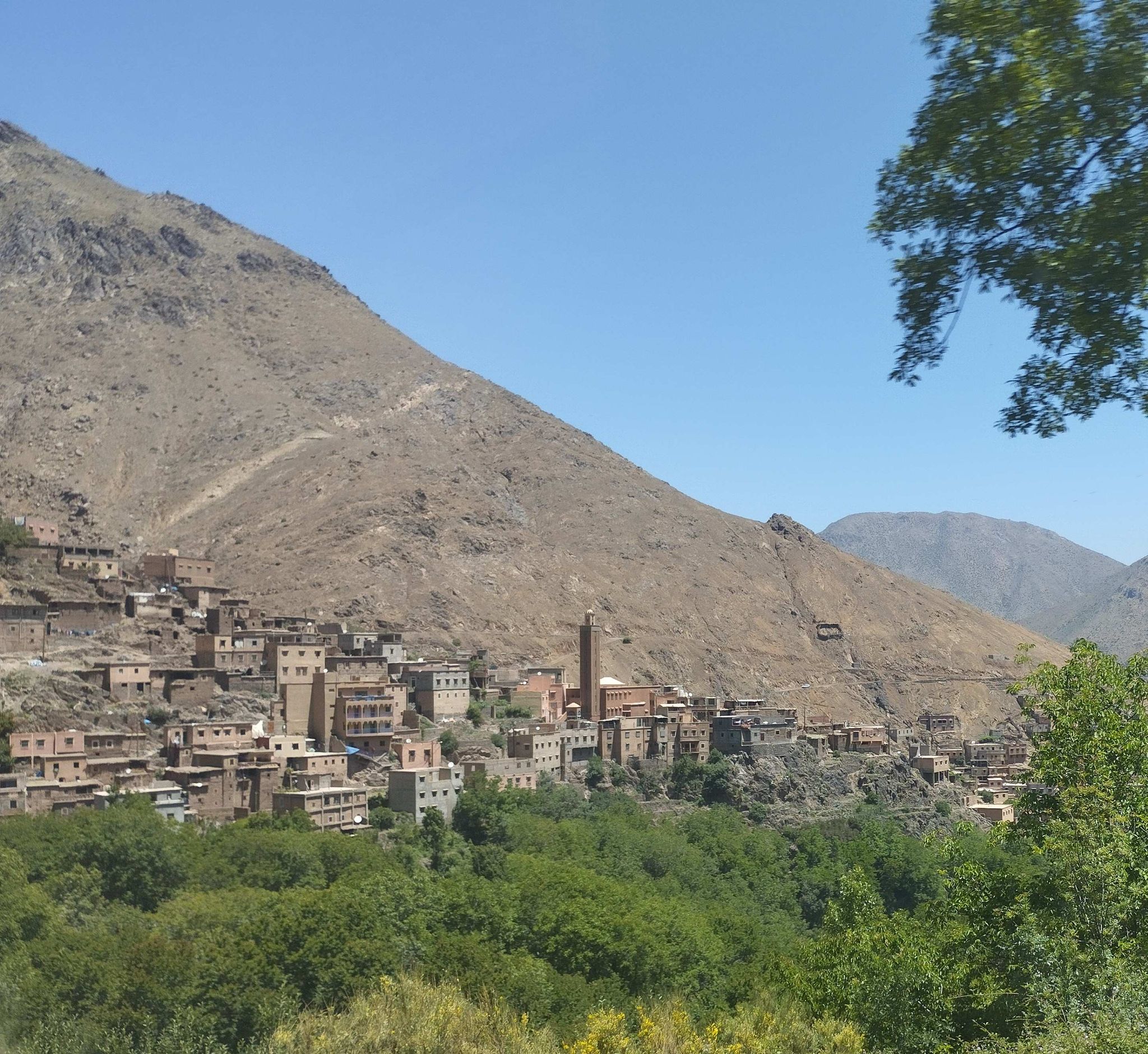
The mountains behind Marrakech get proper winter in February. Toubkal and the surrounding peaks are snow-covered, and the ski resort at Oukaïmeden (about 74km from Marrakech) is typically running. Day temperatures in the valleys might reach 10-18°C, but at altitude it stays cold. If you’re doing any trekking, go with a guide, wear layers, and don’t underestimate it.
The Ourika Valley, just an hour from Marrakech, is worth a day trip in February - the light is clear, the villages are quiet, and the contrast between red rock and snow on the peaks is genuinely striking.
Tafraoute and the Anti-Atlas
This is where February earns its reputation. Tafraoute, a small pink-granite town in the Anti-Atlas about six hours south of Marrakech, becomes the focus of Morocco’s almond blossom season every February. The almond trees typically peak in the second week of February, though the exact timing shifts by a week or two depending on winter rainfall and temperatures - there’s no fixed date, so check closer to your trip.
The blossom is real. The Anti-Atlas landscape - volcanic rock, pink boulders, terraced valleys - turns white and pale pink, and it’s one of those things that’s genuinely as good as the photos. Daytime temperatures here are mild (around 18-22°C), nights are cold but less so than Marrakech, and the town itself is small and relaxed. It’s not a polished tourist circuit - accommodation is basic, the road there is long - but that’s most of the appeal.
The Sahara (Merzouga / Erg Chebbi)
Sahara days in February are excellent: 20-25°C, clear blue skies, and light that photographers chase. Camel treks, sunrise dunes, sandboarding - all of it works well in February because you’re not frying in 40°C heat.
Desert nights are a shock if you’re not ready. Temperatures drop to near freezing - 0 to 5°C is typical in Merzouga in February. Camp accommodation varies wildly in insulation. If you’re staying overnight in the dunes, check that your camp provides proper blankets (multiple), and take a warm base layer and a hat. Don’t assume “glamping” means warm.
The drive to Merzouga from Marrakech takes around 8-9 hours each way, so most people either fly to Ouarzazate or join a 3-day tour that loops through the desert. See our Sahara desert tours page for tour options that run in February.
The Atlantic Coast (Essaouira, Agadir)
Essaouira in February is mild - daytime around 17-19°C - but the wind off the Atlantic is relentless. It’s a windy town at the best of times; in February it can feel blustery and grey, though it clears in spells. Agadir is sunnier and slightly warmer, sitting in a bay that shelters it from Atlantic weather. If you want reliably warm coast days in February, Agadir is the safer bet.
The North (Fes, Chefchaouen)
The northern interior and Rif Mountains are the weakest part of a February Morocco trip. Chefchaouen averages only 14-15°C with a real chance of rain on any given day, and Fes can be genuinely cold and grey. Neither is closed off - they’re both beautiful - but manage expectations. The blue-painted streets of Chefchaouen photograph better in March sunshine.
What’s Good About February
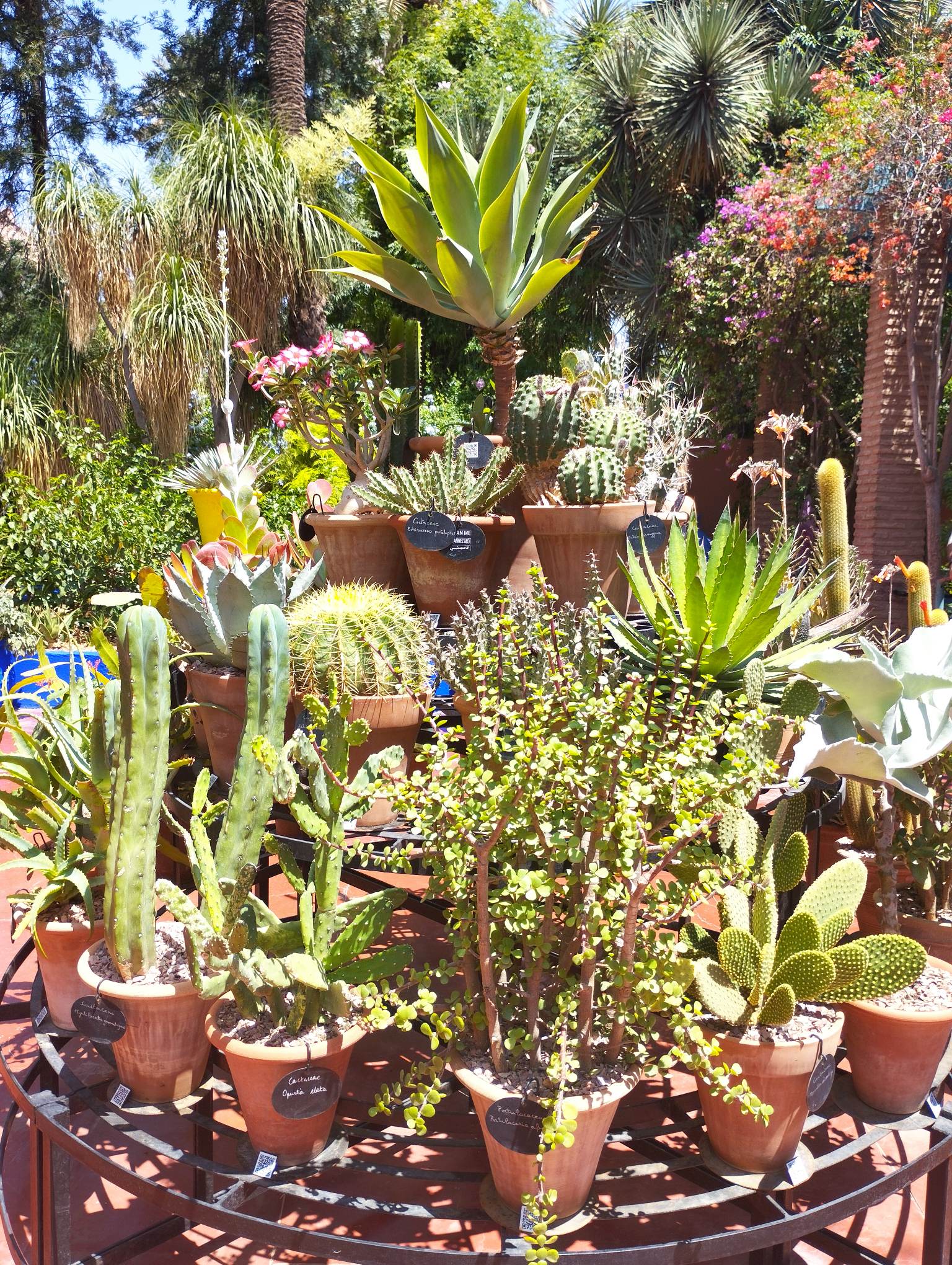
Low crowds. This is the most under-valued thing about February. The Djemaa el-Fna in Marrakech, the tanneries in Fes, the Majorelle Garden - all of them are manageable. You’re not fighting through tour groups. Hotels have availability and prices are lower than peak spring.
Almond blossom. The season is real and it’s beautiful. If you can time a visit to Tafraoute for mid-February, even a one-night stop en route to or from the Sahara is worthwhile.
Sahara conditions. February is arguably the sweet spot for a desert trip: comfortable days, no sandstorms, clear skies. The cold nights are manageable if you’re prepared.
Snow + sunshine. The combination of snow on the Atlas and warm sun in Marrakech - sometimes both in the same day if you drive up to Oukaïmeden and back - is a specific February pleasure that doesn’t exist in any other month.
Good for photography. Clear light, lower crowds, dramatic cloud patterns, blossom, snow. February is a genuinely good month for landscape and travel photography in Morocco.
What’s Hard About February
Cold nights, everywhere. Even Marrakech drops to 7-8°C at night. Pack for it. A compact down jacket takes up little space and earns its keep.
Variable weather. February sits at the tail end of Morocco’s wet season. You’ll likely get some rain in Marrakech and the coast. In the north, expect more. This isn’t a problem if you’re flexible, but it rules out February for beach holidays.
Heating in accommodation. Many traditional riads and guesthouses were designed for summer heat, not winter cold. The thick walls that keep rooms cool in August make them slow to warm up in February. Electric heaters are common but not universal - check before booking.
Travel distances. Morocco’s highlights are spread far apart. Marrakech to Merzouga is a long day’s drive. If you want Tafraoute AND the Sahara AND Marrakech, you’re either driving for days or flying. Build in more time than you think you need.
What to Pack for Morocco in February
- Layers are the key principle: you’ll be stripping off at noon and piling on at 7pm
- A warm mid-layer (fleece or light down jacket) - not optional
- A waterproof outer layer - for rain and Atlas winds
- Warm hat and gloves for Atlas or Sahara overnight stays
- Comfortable walking shoes with some grip (medina streets, mountain paths)
- Sunscreen - the February sun is deceptively strong at altitude and in the desert
- A slightly smarter layer for evenings out: February is still a social month in Marrakech
Best Activities in February
Marrakech gardens and monuments - the Majorelle Garden, the Saadian Tombs, the Bahia Palace all suit February’s quieter pace and cool-clear weather. Guided Marrakech tours are easy to book in February without advance scrambling.
Atlas day trips - Ourika Valley, Asni market (Saturday), or a drive up to the snow at Oukaïmeden. All doable as day trips from Marrakech.
Tafraoute almond blossom - plan a 1-2 night stop in the second week of February if the festival timing fits your trip.
Sahara overnight trip - a 3-day Marrakech-Sahara loop is the classic February itinerary and it works well. See our Sahara desert tours and browse all tours for guided options.
Essaouira - a half-day or day trip from Marrakech (around 2.5 hours), good for sea air and seafood, as long as you’re dressed for wind.
February is also a workable month for a circuit: January and February share similar conditions in the south, while March sees temperatures nudge up and crowds start to build again. February sits in a good window.
The Tafraoute Almond Blossom Festival
Tafraoute hosts an annual Moussem (local festival) timed to the almond blossom - typically mid-February. It’s not a slick international event; it’s a local celebration with music, food, and the simple spectacle of the surrounding Anti-Atlas in bloom.
Getting there from Marrakech takes around five to six hours by road - through Agadir and then inland. The town has a handful of guesthouses and a very relaxed pace. Most visitors combine it with a southern circuit (Agadir, Tiznit, Tata) rather than a standalone trip.
A few honest notes: the exact festival dates are not fixed and are often announced only a few weeks in advance. If the blossom is early (warm December-January) the festival follows; if it’s late, so does everything else. In some years poor winter rainfall delays the bloom into late February or even early March. Check local sources or contact a Moroccan tour operator closer to the time for the current year’s timing. For comparison, see what February looks like against the best time to visit Morocco overall.
Frequently Asked Questions
Is February a good time to visit Morocco?
Yes - particularly for the south and Marrakech. February has mild days, low crowds, lower prices, and the unique advantage of almond blossom season in Tafraoute. The main drawbacks are cold nights and variable weather in the north. If you pack for both warm days and cold evenings, February is a genuinely rewarding month to visit.
How cold does it get in Morocco in February?
It depends entirely on where you are. Marrakech nights reach around 7-8°C. The Atlas Mountains can be genuinely cold and snowy. The Sahara drops to near freezing overnight (0-5°C in Merzouga). Chefchaouen in the north averages a daytime high of only 14-15°C. Agadir on the coast is milder, around 18-20°C in the day.
When exactly is the Tafraoute almond blossom?
Usually the second week of February, but there’s no fixed date - it depends on the growing season. Some years it peaks in early February, in others it runs into the last week of the month. A warm mild winter tends to bring an earlier bloom. Check with local operators or Tafraoute guesthouses a few weeks before you travel for the current year’s timing.
Can I visit the Sahara in February?
Yes, and February is actually one of the best months for a desert trip. Daytime temperatures of 20-25°C make camel treks and dune walks comfortable. The main thing to prepare for is cold nights - temperatures near Merzouga can drop to 0°C overnight. Bring warm layers, a hat, and check that your camp provides adequate bedding. Browse Sahara desert tours to find options that run in February.
Does it rain in Morocco in February?
Rainfall varies by region. Marrakech gets around 38mm spread over roughly seven days in February - some rain is likely but it rarely ruins a trip. The north (Chefchaouen, Fes, Tangier) sees more sustained rain and grey skies. The south - Sahara, Tafraoute, Agadir - is drier. In general, February is near the end of Morocco’s wet season, so the further south you go, the better your odds of sunshine.
What should I pack for Morocco in February?
Think versatile layers rather than one heavy coat. A warm mid-layer (down jacket or thick fleece), a waterproof outer layer, and a warm hat and gloves for mountain or desert evenings. Light clothes for warm afternoons, comfortable walking shoes, sunscreen for high-altitude or desert days, and at least one slightly smarter layer for evenings in Marrakech. Don’t skip the hat - cold desert nights catch people off guard.
Ready to Book?
Browse curated Morocco tours from verified operators, filtered by interest and budget.
Find Your Perfect Tour