Last updated: June 2026
August is one of the most demanding months to travel Morocco - but it’s also one of the most culturally alive, if you pick your bases carefully.
I’ve been to Morocco six times since 2017, and I’ve done August twice. I’d go again, but only knowing what I know now. The country splits sharply in summer: inland cities and the Sahara become genuinely brutal, while the Atlantic coast fills with Moroccan families on their summer holidays and the mountains offer real, welcome relief. The trick is understanding which version of August you’re signing up for.
For the full context on timing, the best time to visit Morocco guide covers the whole year. This post zeroes in on August specifically.
August Weather Across Morocco: The Regional Split
Morocco is not a single climate. In August, that gap is at its most extreme.
Marrakech and Fes regularly hit 40°C to 45°C during the day, sometimes pushing higher. That’s not uncomfortable-holiday heat. That’s oppressive, disorienting, potentially dangerous if you’re out between noon and 4pm without serious precautions. The medinas trap the heat and walking the souks feels like a different activity entirely compared to visiting in October or March.
The Sahara is worse. Merzouga and the Draa Valley see daytime temperatures of 42°C to 48°C. Desert camps that feel magical in January become endurance tests. If you’re set on the dunes, go at night or at dawn - but honestly, the Sahara in August is a trip most people regret. Save it for October to April.
The Atlantic coast is a different story. Essaouira sits at around 23°C to 28°C in August, kept moderate by the cold Canary Current running up the Atlantic. Agadir is similar - warm and sunny but not punishing. Taghazout is comfortable for surfers and beach-goers. The wind in Essaouira is strong in August (it’s the windiest stretch of the year), which keeps temperatures pleasant but makes it one of the world’s best kitesurfing spots, not always a relaxing sunbathing location.
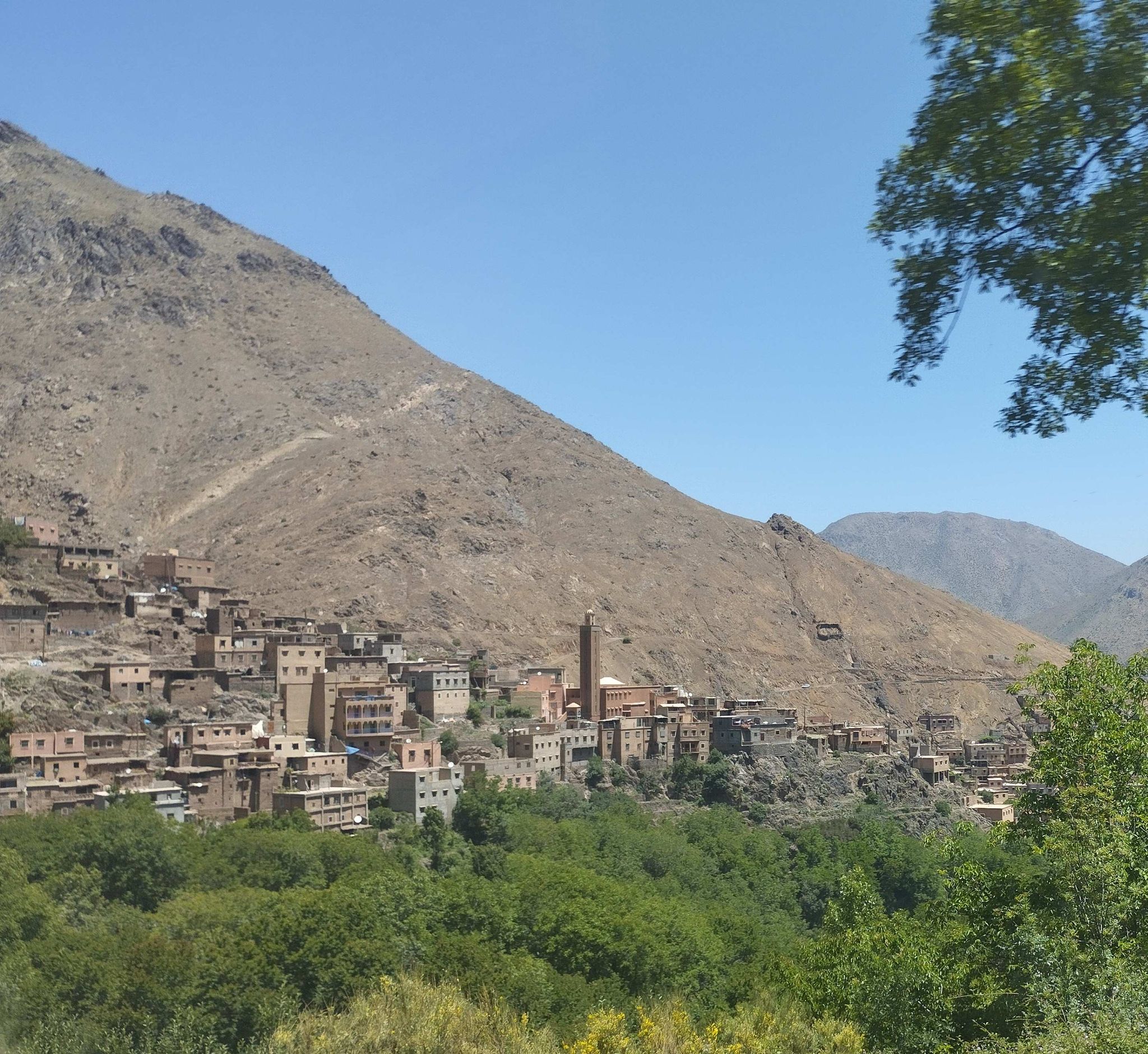
The High Atlas offers a genuine escape. At altitude - Toubkal base, Imlil, the cedar forests around Azrou and Ifrane in the Middle Atlas - temperatures drop to the high 20s at most. Ifrane sits above 1,650 metres and was originally built by the French as a mountain retreat precisely for this reason. The 15°C difference between Marrakech and the mountains at elevation is not a small thing in August.
The Coast in August: Atmosphere and Crowds
August is when Moroccans take their holidays, and they head for the coast in large numbers. This is one of the things I genuinely love about an August trip - the Atlantic resorts feel culturally different to the tourist-heavy version you get in spring.
Families spread across the beaches at Agadir and Taghazout. The promenade at Agadir fills up in the evenings. Essaouira’s medina has a festive atmosphere, with Moroccan day-trippers mixing with international visitors. It feels less like a packaged experience and more like a country on holiday.
But the crowd reality cuts both ways. Accommodation along the coast books up weeks or months in advance, particularly in Essaouira where the riad stock in the medina is limited. Prices rise significantly compared to shoulder season. If you want a specific riad in Essaouira in August, book it in March. Agadir has more hotel capacity but the best spots still fill.
Taghazout is worth knowing about if you’re flexible - it’s developed fast and has decent hostel and boutique hotel options, and the surf crowd keeps things relatively relaxed even in peak season.
For more on the Atlantic coast options, the Essaouira Atlantic coast guide goes into detail on the medina, beaches, and practical logistics, and the Morocco best beaches guide will help you choose between Atlantic and Mediterranean options.
What Closes (and What Doesn’t) in August
This is where people sometimes get caught out. August is not Ramadan - Ramadan in 2026 falls in late February - so that particular pattern of daytime closures doesn’t apply. But August has its own rhythms.
Some family-run medina shops do close, particularly in Fes and Marrakech, when the owners take their own summer break or travel to the coast. This is more noticeable in residential medina areas than tourist-facing streets. Expect maybe 10-15% of smaller artisan workshops to be shut, not a wholesale closure.
Restaurants in tourist zones stay open. The Djemaa el-Fna food stalls, the restaurants around Fes el-Bali, places catering to foreign visitors - these keep going. If anything, some run extended hours to catch the trade.
Rural areas thin out differently. Small villages in the High Atlas that depend on trekking tourism can have reduced services in deep summer because fewer trekkers come in the heat. If you’re planning a serious mountain route, confirm with your guide that the accommodation chain is operating.
The honest version: August doesn’t close Morocco. It shifts it. Tourist infrastructure stays mostly intact; the more locally embedded you are, the more you might notice the holiday-season adjustments.
What’s Actually Good About August
Let me be straightforward about the positives, because there are real ones.
The coast culture is the main one. Seeing Moroccan families at the beach, the evening promenade culture, the relaxed atmosphere of a country genuinely enjoying its summer - this is something you won’t get in October. If you want to see Morocco rather than just the tourist version of it, August on the Atlantic is worth the crowd trade-off.
The mountains are underrated. Most visitors don’t consider Azrou, Ifrane, or the cedar forests of the Middle Atlas in August, which means they’re relatively quiet. The Toubkal trek is possible (start very early, carry water, don’t push through midday heat), and the villages in the High Atlas valleys are genuinely peaceful. If you pair a couple of nights in Marrakech for the city experience with a few nights up in the hills, August becomes manageable.
Prices are lower inland. Marrakech riads and Fes guesthouses, precisely because they’re uncomfortably hot, are often cheaper in August than in spring or autumn. If your plan is to see the medinas early in the morning and evening, with midday rest built in, you can have a very good time for less money.
August compared to July in Morocco: the heat is similar, sometimes a degree or two higher inland, and the coast is if anything slightly less windy than the peak winds of July. The domestic tourism crowd is at its maximum. By September things ease - coastal crowds drop, the Sahara becomes viable again, and inland cities cool to something more comfortable by late month.
Smart Bases for an August Trip
Given all of the above, here’s how I’d structure an August trip:
If you want heat and culture, briefly: Fes is worth 2 nights even in August - the medina is extraordinary and the early morning (6am to 9am) is actually manageable before the heat builds. Stay somewhere with a rooftop pool or a cool central courtyard.
Essaouira for 3-4 nights: Book well ahead. The wind keeps it comfortable. The kite beach at Sidi Kaouki just south is worth a day trip. The medina is small enough to cover before 10am. Evenings are pleasant.
Agadir as the beach base: Less beautiful than Essaouira architecturally, but more accommodation choice and a wide beach. Good for families. Taghazout is 20 minutes north if you want a surf-village feel.
High Atlas for mountain time: Imlil village near Toubkal is the entry point for serious trekking. Azrou and the cedar forest (watch for the Barbary macaques) is an easy day from Fes or Meknes. Ifrane is odd and interesting - a French Alpine village dropped into Morocco, worth a few hours.
Avoid: The Sahara in August unless you have a very specific reason to go. Inland only if you have AC and are disciplined about rest hours. Chefchaouen gets hot in August too - less extreme than Marrakech but not the refreshing mountain escape some people expect.
Browse the tours from Explora Morocco to see current itineraries across these regions, including options designed for summer travel.
Packing for Morocco in August
Pack differently depending on your route.
For coast and mountains: Light layers. Essaouira wind makes an evening layer necessary even in August. A light scarf doubles as sun protection and covers shoulders for medina visits. Good sandals for walking.
For inland visits: Loose, long, breathable fabrics. Linen, cotton. Cover shoulders and knees - it’s practical for sun as much as cultural respect. A wide-brimmed hat is not optional. Carry 1.5 to 2 litres of water at all times.
Sun protection: SPF 50 minimum. The August sun in Morocco, especially in Marrakech, is stronger than most northern European visitors are used to. Lip balm with SPF. Sunglasses with real UV protection.
Cash: More ATMs in coastal towns now, but small medina towns and mountain villages may have limited cash access. Carry dirhams.
Medications: If you’re heat-sensitive, talk to your GP before you go. Oral rehydration sachets are cheap and worth having.
Frequently Asked Questions
Is Morocco too hot to visit in August?
Inland Morocco - Marrakech, Fes, the Sahara - is genuinely very hot in August, with Marrakech regularly hitting 40°C to 45°C. For most people, that makes extended city sightseeing difficult. But the Atlantic coast (Essaouira, Agadir, Taghazout) stays around 23°C to 28°C, and the High Atlas mountains are pleasantly cool. If you base yourself on the coast or in the mountains, August is manageable and culturally interesting.
Is Essaouira good in August?
Yes, with caveats. Temperatures are comfortable (typically 23°C to 28°C) due to the Atlantic cold current. But August is Essaouira’s busiest month, partly because Moroccan families come for their summer holidays. Accommodation in the medina is limited and books up fast - you need to reserve weeks or months ahead. The town has a lively, local atmosphere that’s worth experiencing, but don’t expect a quiet retreat.
Does Morocco slow down in August because of Ramadan?
No. Ramadan falls in late February in 2026, so it has no impact on August travel. August has its own pattern: some family-run medina workshops may close for a summer break, but restaurants and major tourist sites remain open. The bigger August adjustment is the coastal crowds from domestic tourism rather than any religious holiday effect.
How hot is the Sahara in August?
Extreme. Merzouga and the Erg Chebbi dunes see daytime temperatures of 42°C to 48°C in August. Desert camp activities during the day are not realistic - the experience is built around pre-dawn camel rides and sleeping under stars at night. For most first-time visitors, the Sahara is significantly better between October and March. If you’re visiting in August, focus on the coast or mountains and save the desert for another trip or another season.
What’s the atmosphere like on Morocco’s coast in August?
Different from spring or autumn, in a good way if you’re open to it. The Atlantic coast towns are full of Moroccan families on summer holiday. Beaches are busy, evening promenades come alive, and there’s a festive, domestic-tourism energy. It’s one of the few times you experience Morocco as Moroccans use it, rather than purely as a tourist destination. The trade-off is that accommodation costs more and availability is tighter.
Can I trek in the Atlas Mountains in August?
Yes, but with modifications. The Toubkal summit (4,167m) is snow-free and technically accessible in August. Start at 3am to 4am to summit before midday heat builds. Carry more water than you think you need. Valley treks at altitude are pleasant in the mornings. Some guided operators run shorter routes specifically designed around August heat patterns. Confirm that your accommodation chain is open, as some small mountain guesthouses reduce hours in deep summer.
Ready to Book?
Browse curated Morocco tours from verified operators, filtered by interest and budget.
Find Your Perfect Tour