Best time to visit Morocco by month, region, and activity - from Sahara heat to Atlantic coast breezes. Honest temperatures, crowds, prices, and Ramadan advice.
Last updated: June 2026
Morocco does not have one climate. It has five. What’s comfortable in Essaouira on the Atlantic coast can be life-threatening in Merzouga on the same date. Before anyone tells you “spring is best” - and it usually is - you need to know which Morocco you are visiting, because the answer changes completely depending on where you are going.
This guide gives you real temperatures from real sources, honest crowd and price data, and region-specific advice built from six trips to Morocco since 2017.
The Big Truth: Morocco Has Multiple Climates
Most “best time to visit” guides treat Morocco as if it were a single destination. It is not.
- Marrakech and the interior - a semi-arid city that bakes in summer (37-38°C highs in July and August) and stays mild in winter (around 19-20°C days, but nights drop to 5-7°C).
- The Sahara/Merzouga - true desert extremes. July highs hit 42°C with nights still at 25°C. January days are pleasant at 18°C, but nights drop to 3°C, cold enough to freeze water.
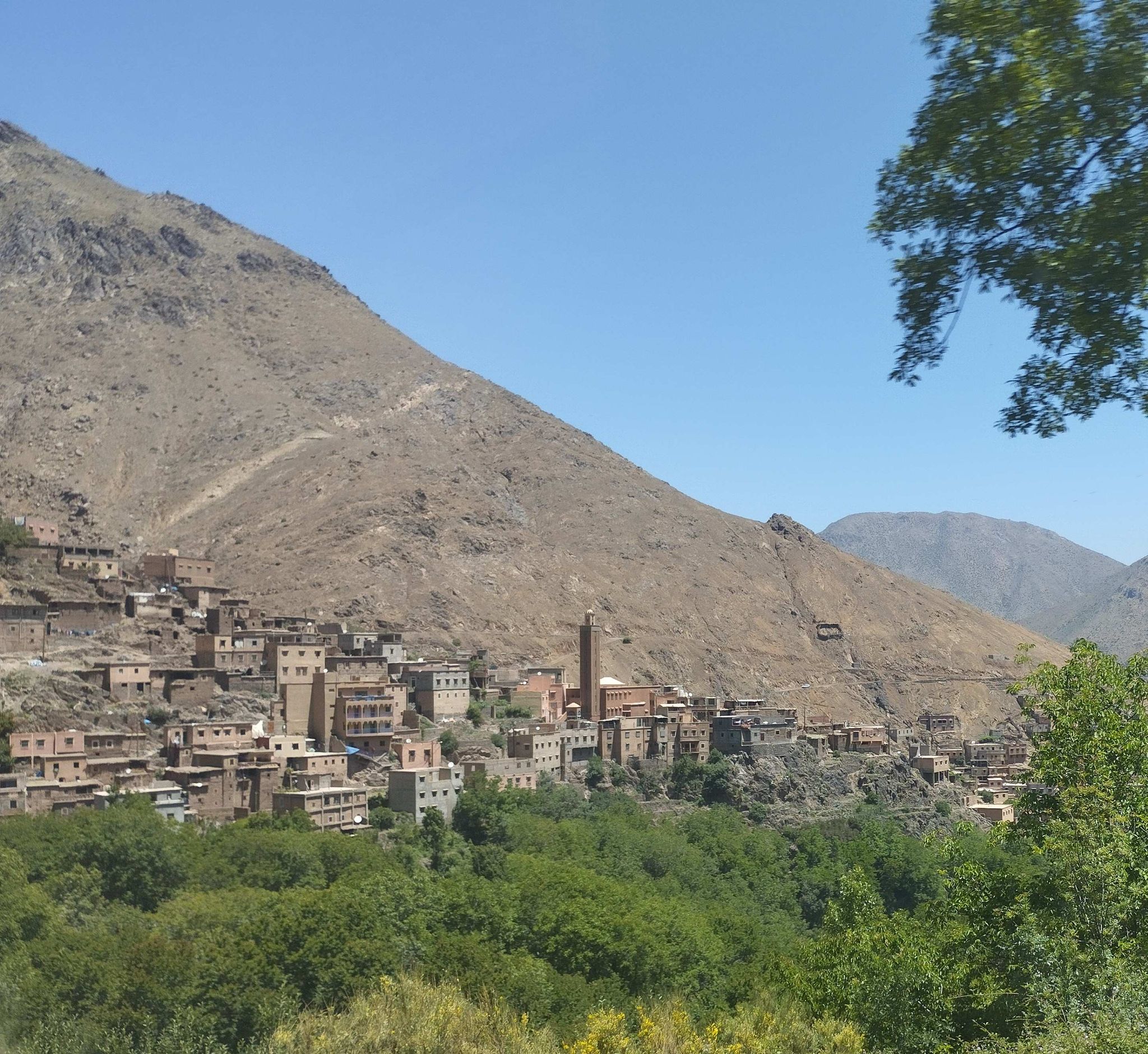
- The Atlas Mountains - snow from November through March or April, impassable roads in heavy winters. Summer is the only reliable trekking window at high altitude.
- The Atlantic coast (Essaouira, Agadir) - the Canary Current keeps it mild and cool all year. Essaouira rarely exceeds 27°C even in August, but the wind (the trade winds called the alizé) is relentless, especially June through August.
- The north and Rif (Chefchaouen, Tangier, Tetouan) - a Mediterranean climate with real rain. Chefchaouen gets genuine winter cold (January highs around 15°C, nights near 6°C) and heavy spring rainfall. Summer is warm and drier - highs around 30-32°C - but the mountains keep it cooler than Marrakech.
Keep these five zones in mind throughout everything that follows.
Season by Season: The Honest Picture
Spring (March - May): The Sweet Spot
Spring is the period most experienced travellers and guides point to, and with good reason.
Marrakech sits between 20°C and 30°C across these months - warm enough for medina walking and day trips without the punishing heat of summer. The high Atlas has snowmelt running in the valleys but the lower passes are opening. The Sahara is already warm by May (highs near 34°C) but not yet brutal. The coast is breezy and clear.
The landscape rewards you. The Draa Valley and the road south from Ouarzazate see almond and fruit blossom earlier in March, and the fields around Marrakech go green before the summer desiccation sets in. The country genuinely looks different in spring.
Crowds: March sees the lightest crowds of the shoulder periods. April and May are busier as European Easter holidays fall here. Prices are 15-25% below peak summer levels, though popular riads and guided tours book up quickly for Easter week.
Watch out for: Ramadan timing. In 2026, Ramadan runs from approximately 18 February to 19 March, meaning late February and early March may overlap. In 2027, it runs approximately 7 to 8 February through to early March. Ramadan is not necessarily a reason to avoid Morocco - see the dedicated section below - but it changes the experience considerably.
See more detail in the Morocco in March guide.
Summer (June - August): It Depends Where You Are
The blunt version: do not go to Marrakech or the Sahara in July or August unless you know exactly what you are signing up for.
Marrakech highs in July average 37-38°C. That is not “hot”; that is medically significant heat for anyone not acclimated. The souks lose their magic when you can barely breathe. Most riads fill their plunge pools specifically because guests cannot function outdoors between noon and 5pm.
Merzouga in summer is extreme desert. Daytime highs of 41-43°C are common from June through August, with nights staying above 24°C. A camel ride at dawn is feasible, but the afternoons are genuinely dangerous. If you want the Sahara, do not go in this window - explore the Sahara desert tours and book for spring or autumn instead.
However: The Atlantic coast is a different story entirely.
Essaouira sits at 22-24°C in summer. The same alizé winds that make it feel relentless are precisely why Moroccan families flock here in August - it is the country’s natural air conditioning. Agadir is similar, though a few degrees warmer and more sheltered. If your itinerary is coast-focused, summer is perfectly comfortable.
The northern mountains are also reasonable in summer. Chefchaouen sees highs around 30-32°C in July and August, but at elevation the evenings cool down. The Rif is green rather than scorched. Trekking routes in the Rif are at their most accessible.
Crowds and cost: Summer coincides with European school holidays, so it is peak season by volume. Coastal towns, particularly Agadir, are packed. Hotels across Morocco charge peak rates.
Autumn (September - November): The Other Sweet Spot
Autumn rivals spring and in some respects beats it.
September in Marrakech still sees highs around 32°C - warm but bearable after the worst of summer has passed. By October, the city is at its most comfortable: highs of 28°C, long evenings, and crowds that are heavy but manageable. November drops to 23°C highs and starts to feel genuinely cool in the evenings.
The Sahara is excellent from late September. October highs at Merzouga sit around 30°C with nights at 15°C - the ideal desert experience, warm days and properly cold, star-filled nights. This is also when the sand dunes photograph best: low-angle autumn light, no heat shimmer. Read more in the best time for the Sahara.
Crowds and cost: October is the busiest month of the shoulder season. It is also half-term holiday season for UK and Irish travellers. Expect strong demand for guided tours and popular riads. November is significantly quieter and prices drop. If flexibility allows, the second half of November is genuinely excellent value.
See the Morocco in October guide for a detailed breakdown of that specific month.
Winter (December - February): Underrated and Misunderstood
Winter in Morocco is cold enough to surprise people who picture it as a warm country. Marrakech January nights drop to 5-7°C. The Atlas passes can be completely snowbound. And Merzouga nights in December and January fall to 3-4°C - people do not expect to wear every layer they own in the Sahara, but that is the reality.
That said, winter has real advantages:
- Crowds are thin. The major sites - Bahia Palace, Ben Youssef Medersa, Fes el-Bali - are navigable without fighting through tour groups.
- Prices drop significantly. Riads that charge €150 in October often dip below €80 in January.
- The light is extraordinary. Low winter sun over the Atlas, golden afternoons in the Draa Valley, snow on the High Atlas as a backdrop to desert palms - winter Morocco photographs brilliantly.
- Marrakech day temperatures are pleasant. 19-20°C highs mean comfortable walking if you are dressed for the evenings.
The main caveats: the High Atlas passes (Tizi n’Tichka, Tizi n’Test) can close entirely after heavy snowfall, cutting off the route to the Draa Valley and the south. If you are planning a circuit through the Atlas, check conditions and build flexibility into your itinerary. A 4x4 transfer with a local driver is the safest option in December and January.
Month-by-Month Overview
| Month | Marrakech High | Merzouga High | Essaouira High | Chefchaouen High | Verdict |
|---|---|---|---|---|---|
| January | 19°C | 18°C | 19°C | 15°C | Good for cities; cold nights everywhere; Atlas snow |
| February | 21°C | 21°C | 19°C | 16°C | Improving; Ramadan likely 2026/2027; almond blossom south |
| March | 24°C | 25°C | 20°C | 18°C | Excellent spring start; lighter crowds early month |
| April | 26°C | 29°C | 21°C | 21°C | Peak spring; Easter crowds; Sahara warming |
| May | 30°C | 34°C | 22°C | 25°C | Hot inland; Sahara getting fierce; coast perfect |
| June | 34°C | 39°C | 23°C | 29°C | Too hot for interior; coast and mountains viable |
| July | 38°C | 42°C | 24°C | 32°C | Avoid Marrakech and Sahara; coast season |
| August | 37°C | 41°C | 25°C | 32°C | Same as July; peak crowds and prices |
| September | 32°C | 36°C | 24°C | 29°C | Transition; improves late month |
| October | 28°C | 30°C | 23°C | 24°C | Excellent all round; busy and pricier |
| November | 23°C | 23°C | 21°C | 19°C | Very good; quieter and cheaper than October |
| December | 20°C | 19°C | 20°C | 16°C | Quiet, cheap, cold nights; Atlas risk |
Temperature data sourced from Climates to Travel, weather-and-climate.com, and MerzougaWay Tours.
Best Time by Activity and Region
Best Time for the Sahara
October and November are the prime months for a Merzouga or Erg Chigaga desert trip. Daytime temperatures are comfortable (30°C in October, dropping to 23°C in November), nights are cold enough to make a camp fire feel earned, and the low-season light is exceptional. March and April work nearly as well.
Avoid June, July and August. Midday in the desert is dangerous in those months, full stop.
See the dedicated Sahara best time guide and browse Sahara desert tours for options that account for season.
Best Time for Atlas Trekking
The High Atlas trekking season runs April through June and September through October. July and August are technically accessible but hot at lower elevations. November brings the first snow to the summits. Winter routes to Toubkal summit require crampons and ice axe experience from December to March.
Spring offers wildflowers and snowmelt streams. Autumn gives clearer skies after summer dust. Either works well.
Best Time for the Atlantic Coast
Essaouira and Agadir suit March through May and September through November for a balance of warmth without wind intensity. Summer is perfectly habitable - cooler than anywhere inland - but the alizé winds can make beach days frustrating. Kitesurfers and windsurfers actively seek out June through August; casual sunbathers less so.
Essaouira in winter is underrated. The town is quieter, the ramparts are moody, and day temperatures rarely fall below 17°C. Browse Essaouira Atlantic coast options to see what is on offer.
Best Time for the Imperial Cities
Marrakech, Fes, Meknes, and Rabat all suit March, April, October, and November. The medinas in these cities are intense even in mild weather; in 40°C heat they become an endurance test. Spring and autumn allow proper exploration at a human pace.
For a planned route through multiple cities, the Morocco itineraries guide covers routing options and realistic timings.
Ramadan: What It Actually Means for Travellers
Ramadan is a month of daytime fasting observed by the great majority of Moroccans. It moves approximately eleven days earlier each year. For 2026 and 2027:
- Ramadan 2026: approximately 18 February - 19 March (dates confirmed subject to moon sighting)
- Ramadan 2027: approximately 7 February - 8 March
The honest summary for travellers: Ramadan is not the disaster some guides suggest, but it does change things in ways you should be prepared for.
What changes:
- Many cafés and restaurants aimed at locals close during daylight hours or serve food discreetly. Tourist restaurants and riads continue to serve food all day.
- Street food stalls operating during the day are rare. You will not find the usual medina snack culture.
- Government offices and some services run reduced hours.
- After sunset (iftar), the atmosphere transforms. Streets fill, food stalls appear overnight, and there is a genuine communal energy that can be one of the most memorable parts of a Morocco trip.
- Alcohol is served in licensed tourist establishments throughout Ramadan, but discretion is expected.
What does not change:
- Attractions, museums, and souks remain open.
- Guided tours operate normally.
- Your riad or hotel will serve breakfast and dinner.
If you are travelling with tight itineraries that depend on local restaurants or street food as part of the experience, avoid Ramadan. If you are flexible and curious about Moroccan culture at its most intense and communal, it is a worthwhile time to visit.
Read the detailed Ramadan Morocco for tourists guide for practical day-by-day advice.
Crowds and Prices by Season
High season (July - August, Christmas/New Year): Peak prices. European summer holiday demand, particularly in coastal towns. Book riads and tours well in advance - 3 to 6 months for popular properties in October is not unusual either.
Shoulder season peak (October, April): Near-peak prices, near-peak crowds. The weather is best in these months, so everyone knows it. Easter week in April and UK half-term in October see genuine surges. That said, Morocco’s infrastructure for tourism has improved significantly; the crowds are manageable.
Shoulder season quiet (March, May, September, November): The real value window. Good weather, 15-30% lower accommodation rates than October, and a noticeable reduction in tour group density. November in particular is excellent and chronically underrated.
Low season (December - February, excluding Christmas): Lowest prices, thinnest crowds. The trade-off is cold nights, Atlas snow risk, and the Ramadan timing window from mid-February. January is often the cheapest month to visit Morocco.
For touring options that can be tailored to your preferred season, browse the tours directory.
Frequently Asked Questions
What is the single best month to visit Morocco?
October is the most consistently recommended month - comfortable temperatures across all regions (28°C in Marrakech, 30°C in the Sahara, 23°C on the coast) and the full range of activities open. The trade-off is higher prices and strong demand for the best accommodation. Late November or late March are the closest lower-cost alternatives.
Is Morocco too hot in August?
For Marrakech and the interior, yes - 37-38°C daily highs make sightseeing genuinely unpleasant and the heat carries a real safety risk. For the Atlantic coast (Essaouira, Agadir), no - summer temperatures there peak around 24-27°C and the constant coastal breeze keeps it tolerable. August is peak season for Agadir beach holidays for good reason.
Can you visit Morocco in winter?
Yes, and it is worth considering. January and February offer the lowest prices, the thinnest crowds, and genuinely pleasant daytime temperatures in Marrakech (around 19-21°C). The caveats: cold nights (5-7°C in Marrakech, 3-4°C in the Sahara), possible Atlas Mountain road closures after snowfall, and the Ramadan window from mid-February 2026 and 2027. Pack layers and build flexibility into Atlas or Sahara routing.
When is the best time to see Sahara stars?
Clear, moonless nights in the Sahara are most reliable from October through March. Summer nights have more atmospheric dust (called calima dust from the Sahara winds) and the residual heat makes sleeping in a desert camp uncomfortable. October and November give cold, clear nights that are ideal for stargazing.
Does Ramadan affect my trip?
Less than you might expect. Tourist restaurants and riads serve food throughout the day. The main impacts are reduced access to local street food during daylight and a quieter daytime medina atmosphere that transforms dramatically after iftar. Read the full Ramadan travel guide for specifics.
Is spring or autumn better for Morocco?
Both are excellent and the honest answer is it depends on your priorities. Spring (particularly March and April) offers more dramatic landscapes - snowmelt, blossom, greener valleys - and slightly lighter crowds in March. Autumn (particularly October) has arguably better Sahara conditions, stronger golden light, and the cultural calendar is active with festivals. Prices are similar. If you can only pick one month: October for the Sahara focus, April for a northern and Atlas circuit.
How far in advance should I book?
For October (particularly UK half-term week) and April Easter week, book riads and guided tours 3-4 months ahead. For March, November, January, and February, 4-6 weeks is usually sufficient, though popular riads in Marrakech and Fes sell out earlier. Browse the tours directory for live availability.
Ready to Book?
Browse curated Morocco tours from verified operators, filtered by interest and budget.
Find Your Perfect Tour