Last updated: June 2026
June in Morocco is not one place - it’s four completely different climates running simultaneously, and which one you land in shapes your whole trip.
I’ve been coming to Morocco since 2017 and June is the month that trips people up more than any other. The coast is perfect. The Sahara is brutal by noon. Marrakech is hot enough to change how you move through a day. The Atlas is quietly brilliant. If you read one thing before booking, read this.
For context on how June fits into the bigger picture, see our best time to visit Morocco guide. And if you’re weighing June against the months either side, we have honest guides for May and July too.
Marrakech in June: Hot, Getting Hotter
Marrakech in June sits at around 34-37°C most days, with peaks nudging 40°C by late in the month. Nights drop to 16-18°C, which gives you genuine relief - the medina after 9pm is lovely. But midday is serious. Not “uncomfortable” serious. “Stay inside or sit in a shaded riad courtyard with a mint tea” serious.
This doesn’t make Marrakech a bad June destination. It makes it a different kind of trip. You start early - the souks before 9am are calm, cool-ish, and genuinely worth it. You stop for a long lunch somewhere with a fan. You pick up again around 5pm when the light turns gold and the city exhales. That rhythm, once you lean into it, is honestly one of the better ways to experience the place.
What you lose in June: the ability to walk for hours in the afternoon. What you gain: fewer tourists than March or April, better prices in the medina, and a Marrakech that feels a bit more like itself.
June also has almost zero rain - typically 1 day of rain and 4mm total across the month. The sun clocks around 11 hours a day. It’s relentless, but it’s predictable. Pack accordingly.
The Sahara in June: Possible, But You Need to Be Smart About It
Merzouga and the Erg Chebbi dunes in June are genuinely extreme. Daytime temperatures regularly hit 42-45°C, with sand surfaces burning through thin-soled shoes by midday. This is not tourist-brochure heat. This is the kind of heat that makes you question your decisions.
That said, people do the Sahara in June - including people I’ve travelled with - and they come back perfectly fine. The key is adapting the schedule completely. Camel rides run at sunrise (around 5:30-6am) and sunset. Desert camps pull their curtains and rest in the afternoon. You follow the desert’s logic, not your holiday planner’s.
The upsides of June in the Sahara: nights are warm (24-27°C), the stars are extraordinary, and the dunes are noticeably quieter than October or March. Some of the mid-range camps significantly reduce prices. If you’re doing a short overnight from Marrakech, it works - just keep your midday hours in camp or in the shade, and carry more water than you think you need.
Browse our Sahara desert tours for options with operators who know how to run June itineraries sensibly - early starts, proper shade, shorter afternoon exposure.
We also list specific Sahara tours you can filter by month.
The Atlantic Coast in June: The Best Kept Seasonal Secret
If June has a clear winner, it’s the Atlantic coast - specifically Essaouira and the stretch down toward Agadir.
Essaouira in June sits at around 22-24°C. The cold Canary Current running along Morocco’s Atlantic coast keeps temperatures mild even when the rest of the country is cooking. There’s nearly always a breeze - Essaouira is famously windy, the kind of wind that surfers and kitesurfers plan their whole year around, but that also means walking the ramparts at noon is perfectly comfortable.
Sea temperatures are around 20-21°C - cool for a swim but manageable, and the waves at the surf beach south of town are consistent. If you’ve been anywhere inland before arriving in Essaouira, the temperature drop feels physical. People genuinely perk up.
And then there’s the festival.
The Gnaoua World Music Festival: Why Essaouira Is Worth the Trip in June
The Gnaoua and World Music Festival runs for three days in Essaouira, typically in the last week of June. In 2026, the dates are 25-27 June - this is the 27th edition of the festival.
Gnaoua is a centuries-old Moroccan musical and spiritual tradition with roots in sub-Saharan Africa. The festival brings together Moroccan Gnaoua masters (called Maâlems) with musicians from jazz, blues, soul and world music - the collaborations are often extraordinary and genuinely hard to categorise.
The main concerts at Place Moulay Hassan are free and open to everyone. Smaller venues around the medina run ticketed and free events throughout the three days. The town fills up - not uncomfortably so, but you will want to book accommodation two to three months in advance. Prices also spike during festival weekend, so factor that in.
What’s worth knowing before you go: the big stage acts run late, often past midnight. The real Gnaoua experience is in the smaller overnight lila ceremonies, which are spiritual rituals rather than performances. They happen in private homes and you need an introduction through someone local - but if you’re staying a few days and talking to people, connections happen.
Our full Essaouira and Atlantic coast guide covers where to stay, what to eat, and how to time the festival trip.
The High Atlas in June: Genuinely Good Trekking
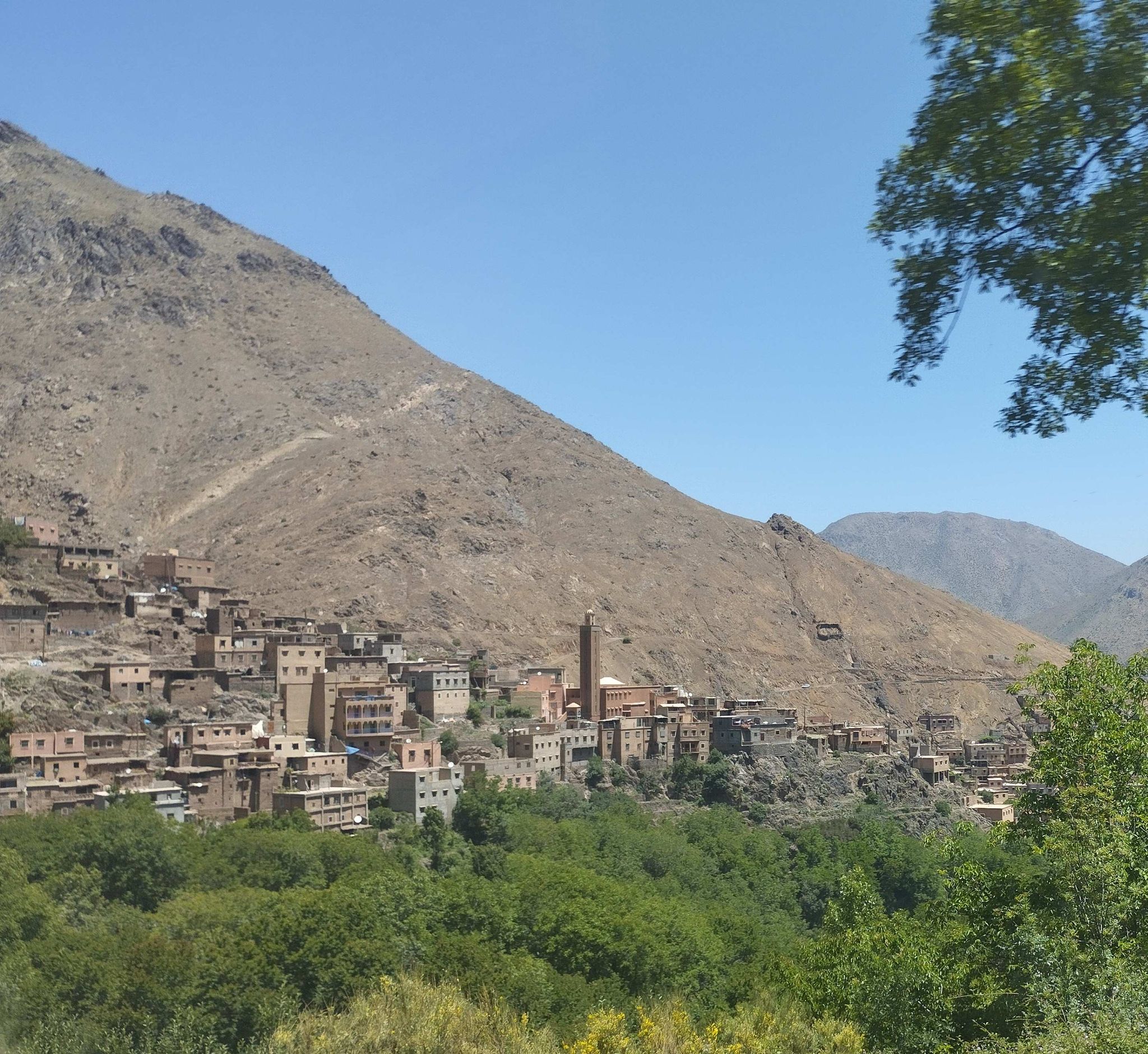
The High Atlas is the underrated June option. Daytime temperatures at altitude sit around 20-28°C, roughly 10-15°C cooler than Marrakech below. Toubkal (4,167m) is fully accessible in June - the snow that blocks higher routes in winter and spring is largely gone, and the summer crowds of July and August haven’t arrived yet.
June is technically the tail end of the ideal trekking window (April-June is peak), so conditions are warm but manageable. The villages around Imlil are green, the wildflowers are still out at elevation, and you won’t be sharing the trails with large groups.
The honest caveat: if you’re starting your trek from Marrakech on a June morning at 38°C, the drive to Imlil at altitude is part of the plan, not just transit. Don’t attempt the lower-elevation day hikes outside the mountains during midday.
What to Pack for June in Morocco
The packing list varies a lot by region, but across all of them:
- Lightweight, loose, long layers. Not just for sun protection - Moroccan culture, especially in medinas and rural areas, calls for covered shoulders and knees. Linen and loose cotton are your friends.
- A good sun hat and sunscreen. The June sun in Morocco is direct and strong. A hat is not optional.
- A light layer for evenings. Especially on the coast and in the Atlas, where evenings can cool quickly.
- Comfortable, closed-toe shoes. Not for fashion - for the Sahara. Hot sand through flip-flops is not a great time.
- A reusable water bottle. Inland, you should be drinking 3-4 litres a day without thinking about it.
- Festival clothes for Essaouira. Nothing formal - but Gnaoua weekend has an atmosphere, and people dress for it.
Is June a Good Month to Visit Morocco?
The honest answer is: it depends entirely on where you’re going.
June is excellent if you’re doing the coast, the festival, or a combined Marrakech-plus-coast route where the inland days are early-heavy and the afternoon is for the riad. June is manageable for the Sahara if you go in with realistic expectations about heat and pace your activities accordingly. June is good for Atlas trekking if you’re heading to altitude.
What June is not ideal for: a walking-heavy medina trip in Marrakech, or a Sahara trip where you want to be active all day.
The crowds question is worth saying directly: June is quieter than March, April, and October. Not empty - Essaouira during Gnaoua is genuinely lively - but the pressure is off the big sights. Pricing reflects that too.
If you’re still working out the right time for your trip, the best time to visit Morocco guide maps all 12 months against what you want to do. Our July guide is also useful if you’re weighing up whether to push back a few weeks.
Ready to plan? Browse our June-suitable tours and we’ll help you build something that works with the season rather than against it.
Frequently Asked Questions
How hot is Marrakech in June?
Marrakech averages 34-37°C in June, with some days reaching 40°C by late in the month. Nights cool to around 16-18°C. Rain is very rare - typically just one day across the whole month. It’s hot, but manageable if you shift your day around the midday heat: early mornings and late afternoons are active, midday is for rest or shade.
Is the Sahara too hot to visit in June?
It’s extreme, but not impossible. Daytime temperatures in Merzouga and the Erg Chebbi dunes reach 42-45°C by midday, and sand surfaces get genuinely burning hot. The way to do a June Sahara trip is to adapt your schedule completely: camel rides at sunrise and sunset, rest in camp through the afternoon. If you can do that, the quiet dunes, warm nights, and lower prices make it worthwhile. If you need to be active all day, wait until October.
When is the Gnaoua Festival in Essaouira in 2026?
The Gnaoua and World Music Festival 2026 runs 25-27 June. It’s the 27th edition of the festival. The main concerts at Place Moulay Hassan are free. Book accommodation well in advance - the town fills up and prices rise during festival weekend.
What is the weather like in Essaouira in June?
Essaouira in June is one of the most pleasant places in Morocco. Average daytime temperatures sit around 22-24°C, kept mild by the cold Atlantic current. There’s nearly always a wind, which makes it feel fresh rather than hot. Rain is almost non-existent. Sea temperatures are around 20-21°C. It’s significantly cooler than inland Morocco and that contrast is one of the best things about timing a trip to include both.
Is June a good month for Atlas Mountains trekking?
Yes, especially the first three weeks of June. Daytime temperatures at altitude are around 20-28°C, the snow on Toubkal is largely cleared, and the trails are quieter than July-August. It’s the tail end of the ideal trekking window rather than the prime centre of it, but it’s still good. Start early, carry plenty of water, and don’t underestimate the drive from Marrakech on a hot day.
Are there fewer tourists in Morocco in June compared to spring?
June is noticeably quieter than March, April, and October, which are the traditional peak months. You’ll still find tourists - Essaouira during Gnaoua week fills up, and Marrakech always has visitors - but the pressure on the popular sites is lower and prices in the medina are more negotiable. If you want Moroccan spring magic without the crowds, June is one way to get a version of it.
Ready to Book?
Browse curated Morocco tours from verified operators, filtered by interest and budget.
Find Your Perfect Tour