Last updated: June 2026
July in Morocco is not a gentle summer holiday. Inland temperatures regularly hit 40-42C in Marrakech and Fes, and the Sahara can push past 45C. If you go with the wrong plan, you will spend most of it hiding in your riad with the air-con on full.
But here is the thing: July in Morocco can be brilliant if you know where to go. The Atlantic coast - Essaouira, Agadir, Taghazout - stays around 22-27C because of cold offshore currents. The High Atlas Mountains are pleasant for hiking. Prices inland are low because most experienced travellers know to avoid the heat. The days are long, the light is stunning, and the place is genuinely yours to explore if you plan smart.
I have been to Morocco six times since 2017, including once in July. Here is what I actually think.
Temperatures: What to Expect Region by Region
The temperature differences across Morocco in July are dramatic. This is not a case of some areas being slightly cooler - it is the difference between 45C and 22C.
Marrakech: Average highs of 37-38C, frequently touching 40-42C during heat spikes. The nights drop to around 20-21C, which gives some relief. The medina holds heat badly - the narrow streets trap it.
Fes: Similar to Marrakech. Average July high around 38-40C, occasionally touching 42C. Fes has less airflow than Marrakech due to its geography in a basin. The medina is dense and shadeless in places.
The Sahara (Merzouga/Erg Chebbi): Average July highs of 42-46C, with extreme days exceeding 48C. Activities between 10am and 6pm are genuinely dangerous here - not just uncomfortable, but a health risk. The sand radiates heat back at you. If you visit in July, you do the sunrise camel ride at 5am and you are back inside by 8:30am. That is your window.
Essaouira: Average highs of 23-27C, cooled by the Alizee trade winds blowing in off the Atlantic. The wind is strong - sometimes very strong - but it keeps temperatures remarkably mild. Sea temperature around 20-21C. July is actually one of Essaouira’s busiest months because half of inland Morocco comes here to escape the heat.
Agadir: Similar coast benefit. Highs around 27-29C. More sheltered than Essaouira so the beach is actually swimmable without fighting gale-force wind. Good family base.
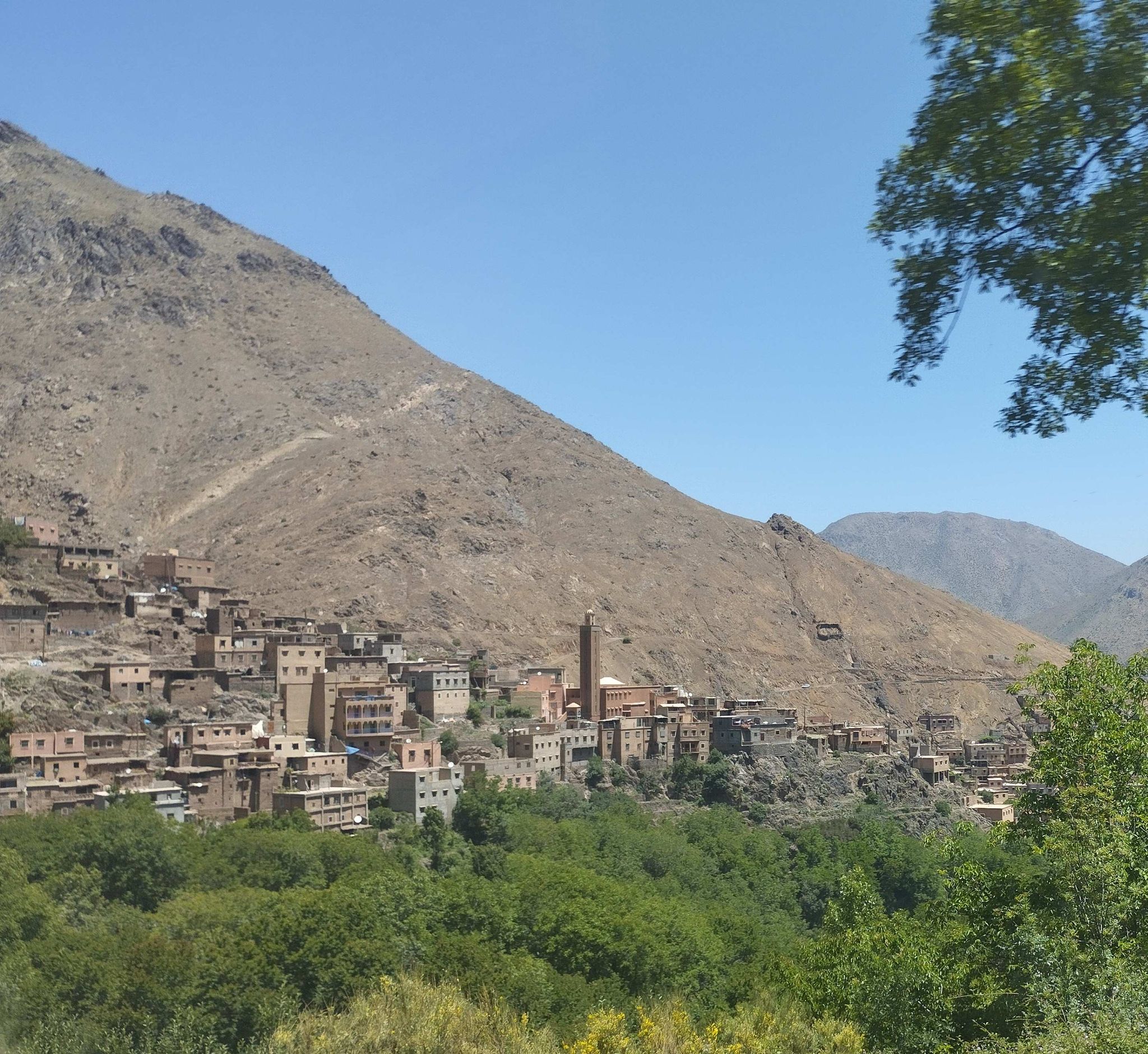
High Atlas Mountains (Imlil/Toubkal area): At 1,800m altitude, July highs average around 24-28C during the day, with cooler evenings around 14-17C. Genuinely pleasant hiking weather. The Chergui desert wind can make it dusty and dry at times, but it beats sweltering in Marrakech.
What July Gets Right
The Atlantic coast is at its peak. Essaouira and Agadir are the best they get. Surfers head to Taghazout. The wind at Essaouira is legendary - it is the windsurfing and kitesurfing capital of Morocco, and July is prime season. If you enjoy wild Atlantic energy, this is your month. More details in our Essaouira Atlantic coast guide and the Morocco beaches roundup.
Prices inland are low. Hotels in Marrakech and Fes in July can be 30-40% cheaper than in April or October. If you are on a budget and willing to manage the heat intelligently - up early, activities done by 10:30am, rest midday, out again from 6pm - you can see the inland cities on the cheap. See the wider best time to visit Morocco guide for a full seasonal price breakdown.
Long days. Sunrise around 6:20am, sunset around 8:30pm. You get 14+ hours of daylight. If you structure around the heat, that is a lot of usable time - very early morning, late afternoon, evening.
Crowds are thinner than you might expect. European peak tourism is July, yes, but experienced Morocco travellers avoid the inland cities in high summer. The medinas in Marrakech and Fes are quieter in July than they are in April, which is counterintuitive but true. There is no scramble for riad rooms.
The Sahara at dawn. I would not recommend basing yourself in Merzouga for a week in July. But the Sahara at 5am in summer is extraordinary - cooler than you’d expect, the light is different, and the dunes are empty. If your itinerary swings through, do not skip it. Just stay one night maximum and get out early.
What July Gets Wrong
Midday heat is not a joke. At 40C+ in a shadeless medina, heat exhaustion is a real risk within 30-40 minutes of walking. Older travellers, children, and anyone not acclimated should be especially careful. Drink before you feel thirsty, rest aggressively, and do not try to push through the 11am-5pm window outdoors in Marrakech.
The Sahara in full daytime is dangerous. Not difficult. Dangerous. The combination of 45C+ air temperature plus reflected heat from sand means you are dealing with effective temperatures well above 50C. Never attempt a midday walk or camel ride. If a tour operator offers you a noon desert activity in July, that is a red flag about their judgement. Our Sahara desert tours overview lists operators who structure itineraries properly around summer heat.
Air conditioning is not universal. Budget riads may have fans only. In July, in Marrakech, a fan at 38C is not adequate. Check whether your accommodation has actual air-conditioning before booking. This is worth paying the extra 200-300 MAD per night.
Ramadan does not apply in July 2026, but some July years fall partially in Ramadan - always check the calendar.
How to Survive a July Visit to Marrakech
If you are committed to Marrakech in July - and I understand the appeal, it is a remarkable city - here is how to actually enjoy it.
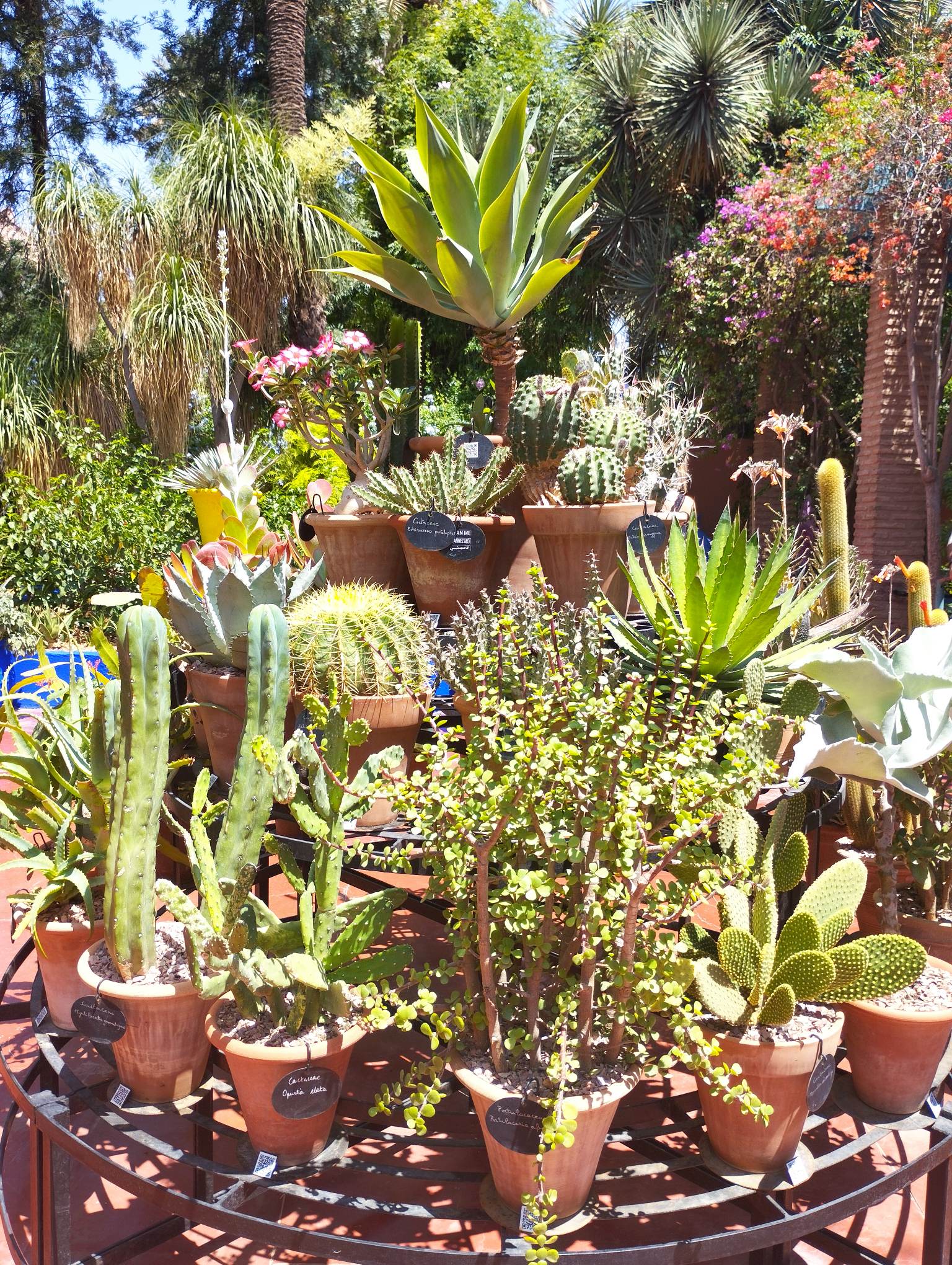
Structure your days around the heat. Up at 6am. Jardin Majorelle, the souks, the tanneries, Bahia Palace - all before 10:30am. Back to your riad by 11am. Nap, read, swim if your riad has a pool. Out again at 5:30-6pm. The evening street scene around Jemaa el-Fna is best from 7pm anyway.
Stay in a riad with a pool or rooftop terrace with shade. The rooftop terrace is more important in July than any time of year. Many of the better riads have small plunge pools. Worth the premium.
Keep a water bottle on you at all times. Big 1.5L bottles from supermarkets are 5-6 MAD. Refill constantly. You need more water than you think you do.
Take the day trip to Essaouira. Two hours from Marrakech by bus (Supratours runs several departures daily). Spend the hottest midday hours there in 24C Atlantic breeze, then come back in the evening. It is genuinely a different country in terms of temperature. Our Essaouira day trip guide covers the logistics.
Book the Ouzoud Waterfalls excursion. The falls stay cool by default. The swim is refreshing and the shade under the canyon walls makes midday bearable. A sensible half-day escape.
July Festivals and What Is On
Gnawa World Music Festival, Essaouira - this typically falls late June/early July. Four days of outdoor concerts centred on Gnawa music (the Sufi trance music tradition of Morocco, rooted in sub-Saharan Africa). Free to attend. The whole town turns into a stage. The weather is perfect for an outdoor festival given Essaouira’s mild coast climate.
Moussem of Setti Fatma - high in the Ourika Valley, about 65km from Marrakech. Late July/early August. A traditional moussem (pilgrimage and festival) combining market, local music, and religious observance. Cooler than Marrakech at altitude. Worth the trip if your dates align.
Ramadan 2026 falls well before July so there are no prayer-schedule or restaurant-closure issues this year.
Packing for July Morocco
The temptation is to pack light summer clothes and nothing else. Resist.
What you actually need:
- Loose, lightweight, light-coloured long-sleeved shirts. Linen is ideal. Covering your arms blocks sun AND keeps you cooler than bare skin once you are sweating.
- Sunscreen SPF 50+ and a proper sunhat with a brim.
- Good walking sandals AND closed shoes for evening medina walks (the cobbles and the scooters eat bare toes).
- A light layer for Essaouira - the evening wind can be cold even in July.
- Rehydration sachets. Seriously. Buy them before you go.
- Eye drops - the Chergui wind in the Atlas area is dry and dusty.
What you do not need: anything heavy. A light fleece if you are doing Atlas hiking overnight.
Is July Worth It?
July is not the best month to visit Morocco. October, November, March, and April are better for covering the country broadly. See Morocco in August for comparison - August is marginally hotter in some areas, slightly cooler in others.
But July is not bad if you design your trip around the coast and mountains. A week split between Essaouira and a few nights in the Atlas is genuinely excellent. Add one or two days in Marrakech at either end, with the right early/late activity rhythm, and you will have a brilliant trip.
The mistake is treating July like April and expecting to wander Marrakech all day or do a full Sahara loop. That plan will not work. Adjust the plan and Morocco in July is yours.
Browse our July-friendly tours if you want an itinerary already structured around the summer heat.
Compare with Morocco in June if you have flexibility on dates - June can be slightly more manageable inland before the July heat peaks.
Frequently Asked Questions
Is July too hot for Morocco?
It depends where you go. Inland cities like Marrakech and Fes average 38-42C in July, which is genuinely extreme - not impossible, but requires careful planning. The Atlantic coast (Essaouira, Agadir) stays around 22-27C due to cold offshore currents and is comfortable. The High Atlas Mountains are pleasant for hiking. If your heart is set on inland Morocco only, July is a difficult month. If you are flexible about base location, it can work well.
What is the temperature in Marrakech in July?
Average daytime highs in Marrakech in July are 37-38C, with spikes to 40-42C during heatwaves. Nights cool to around 20-21C. The heat is at its peak between 11am and 5pm. Early morning and evening are manageable and genuinely pleasant.
Can you visit the Sahara in July?
Technically yes, but you need to manage it carefully. Merzouga and the Erg Chebbi dunes see temperatures of 42-46C in the daytime, occasionally higher. The only viable activity window is before 8:30am (for sunrise) and after 6pm (for sunset). Camel rides, dune walking, and any extended outdoor time midday is a serious health risk. One night in a desert camp, structured around dawn departure and evening return, is manageable. A multi-day desert trip in July is not recommended.
Is Essaouira cool in July?
Yes, notably so. Average July highs in Essaouira are 23-27C, kept mild by Atlantic trade winds and the cold Canary Current offshore. It is genuinely one of the most comfortable places in Morocco in July. The wind is strong - sometimes very strong - which makes it excellent for windsurfing and kitesurfing but can feel relentless if you just want to sit on the beach. Bring a light layer for evenings.
What should I pack for Morocco in July?
Focus on sun protection over light coverage: SPF 50+ sunscreen, a wide-brim hat, and loose long-sleeved linen shirts. Light-coloured clothing reflects heat better than dark. Rehydration sachets are worth bringing as insurance. Pack a light fleece or layer if visiting the coast (Essaouira evenings) or the Atlas. Good walking sandals for medinas plus closed shoes for uneven evening streets.
When is the Gnawa Festival in Essaouira?
The Gnaoua World Music Festival in Essaouira typically falls at the end of June or start of July (the exact dates shift year to year). It is one of the best music festivals in North Africa - free, outdoors, spanning several stages across the medina. The Atlantic climate makes it comfortable even when inland Morocco is sweltering. Check the official festival site for the specific dates of any given year before you travel.
Ready to Book?
Browse curated Morocco tours from verified operators, filtered by interest and budget.
Find Your Perfect Tour