Last updated: June 2026
January is one of the most honest months to visit Morocco. You get the country without the crowds, without the heat, and without the inflated prices - but you earn it with cold nights, short days, and weather that varies wildly depending on where you are.
I’ve been to Morocco six times since 2017, including twice in January, and I’ll tell you straight: it’s not the easiest month, but it might be my favourite for certain kinds of travel. If you want to wander the medinas without being shoulder-to-shoulder with tour groups, sleep in the Sahara under a sky you’ll genuinely remember, and see the Atlas Mountains wearing snow, January delivers.
Here’s the honest region-by-region breakdown.
Marrakech in January: Mild Days, Cold Nights
Marrakech in January catches most visitors off guard. The daytime temperature averages around 18°C (64°F), which feels genuinely pleasant - warm enough for a T-shirt in the afternoon sun, cool enough that you’re comfortable walking for hours. The Djemaa el-Fna is bearable. The souks are manageable. You can actually look at things.
The catch is the nights. Temperatures drop to around 5-6°C (41-43°F), and most riads are not well-insulated. Central heating is rare. If you’re in a traditional riad with stone walls and no heating beyond a portable radiator, you’ll feel it. Bring a proper fleece or light down jacket and check that your accommodation has heating before you book.
January also brings around 7-8 rainy days over the month, with roughly 32mm total rainfall - not a monsoon by any measure, but enough that you might spend an afternoon caught in a downpour. Pack a light waterproof.
The light in January is exceptional. The low winter sun cuts across the terracotta and ochre buildings in a way that photographers love. Mornings especially, before the haze builds, are remarkable.
For the full picture on the city, our Marrakech travel guide covers everything from riad neighbourhoods to tipping customs.
The Sahara in January: The Cold Nobody Warns You About
The Sahara in January is not warm. During the day around Merzouga and Erg Chebbi, you’ll get pleasantly mild conditions - typically 18-20°C (64-68°F) - perfect for riding camels, walking the dunes, and taking the photographs you came for.
At night, temperatures fall hard. Expect 3-5°C (37-41°F), sometimes lower in a cold snap. If you’re sleeping in a desert camp, this is real cold. A decent sleeping bag, thermal layers, and a hat for after sunset are not optional.
The upside: January nights in the desert are extraordinary. No haze, no humidity. The Milky Way is so clear it looks fake. Most travellers who do the desert in summer complain about the heat making night-time uncomfortable. In January, the discomfort is cold, and you can dress for cold.
Daytime camel treks and dune walks in January are genuinely comfortable - this is peak pleasant-desert-weather. Most tours depart at sunrise and return before midday, which works perfectly in winter. Browse our Sahara desert tours to see what’s available in January.
Also worth noting: January is the quietest month for Merzouga. Prices are lower, camps are less crowded, and you can often negotiate better rates than the peak October/November period.
The Atlas Mountains in January: Snow, Skiing, and Cold Passes
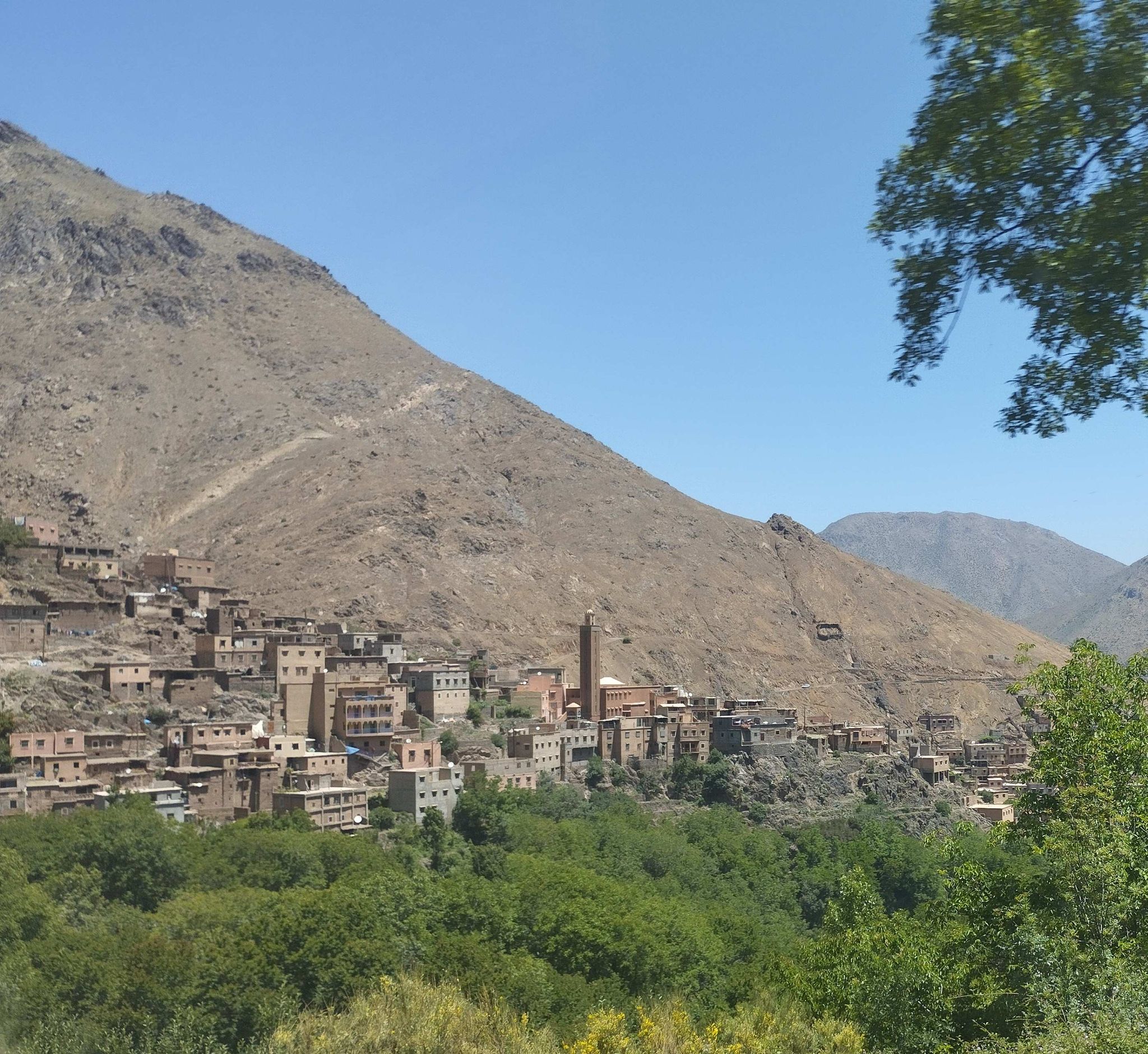
The High Atlas in January is a different country from the lowlands. Snow covers the peaks, some passes close, and the villages look like somewhere far north of Africa.
Oukaimeden ski resort, about 70km from Marrakech, is Morocco’s main ski destination and January is one of its more reliable months. The resort sits at high altitude and depends entirely on natural snowfall - there’s no snowmaking equipment - so conditions vary year to year. In a good January, you’ll find 1-2 metres of snow depth and 10km of slopes working across 7 lifts. In a bad year, you might arrive to bare pistes. Check conditions on snow-forecast sites before making the drive.
When it works, skiing near Marrakech is a genuinely surreal experience. The resort is small and basic by European standards, but the novelty factor is high and the crowds are very manageable.
Beyond skiing, the Atlas in January gives you dramatic snow-capped mountain views from the valleys - even if you never leave the main road. The drive from Marrakech towards Ouarzazate via the Tizi n’Tichka pass is spectacular in clear winter weather. But check pass conditions before you go: Tizi n’Tichka occasionally closes with heavy snow.
Mountain villages like Imlil or Aït Benhaddou are quiet and cold. If you’re trekking, go with a guide who knows winter conditions. This is not the season for solo high-altitude routes.
Essaouira in January: Atlantic Mildness and Some Wind
Essaouira operates on Atlantic time, which means the ocean keeps temperatures stable year-round. January days average around 19°C (66°F), and nights stay relatively mild at around 12°C (54°F) - noticeably warmer at night than Marrakech, despite being on the coast.
The Atlantic also brings wind. Essaouira earns its reputation as a windsurfer’s paradise partly because it’s reliably windy, and January is no exception. The wind can make the beach feel rawer than the temperature suggests.
Rainfall is moderate - around 42mm over roughly 7 wet days in January. Not constant, but rainy afternoons happen. The famous ramparts and medina absorb winter light well, and the blue-and-white streets are quieter than at any other time of year.
If you want a coastal break in January without the chill of the north, Essaouira is the right call. The fish market still runs, the restaurants are open, and you’ll find the town in something closer to its everyday rhythm.
Northern Morocco in January: Chefchaouen, Fes, and the Rif Mountains
The north of Morocco follows a Mediterranean-Atlantic weather pattern, which means January is the rainy season. Expect it.
In Chefchaouen, average highs reach about 15°C (59°F) and lows around 7°C (44°F), with roughly 3.7 inches of rainfall and a 25% chance of rain on any given day. The famous blue medina looks stunning in wet weather, reflected cobblestones and empty lanes - but you need waterproof shoes and a good jacket.
Fes is similar: cooler and wetter than the south, with average January temperatures around 14°C (57°F) and around 64mm of rainfall. The medina is easier to navigate in winter when coach tours are thin. The tanneries are still operating. The crowds that make Fes feel overwhelming in spring are simply absent.
If snow falls on the Rif Mountains above Chefchaouen, the town and surrounding landscape look genuinely dramatic - but this can also mean some mountain roads become tricky.
Worth knowing: some smaller guesthouses in the north close for January or operate reduced service. Always confirm ahead.
What January Gets Right: The Real Pros
Crowds. January is Morocco’s quietest month for tourism. The Djemaa el-Fna after dark is alive but navigable. The souks don’t require pushing. Taxis and guesthouses are easier to negotiate. Popular tour routes - like the classic Marrakech-Ouarzazate-desert loop - operate with smaller group sizes.
Prices. Flights, riads, and desert camps are all cheaper than they’ll be in spring or autumn. Budget travellers who find Morocco expensive in peak season will find January much more manageable.
Light. The low winter sun produces some of the best photography conditions of the year. The harsh noon glare that flattens colours in summer is replaced by golden-hour quality light across most of the day.
The desert. For anyone doing the Sahara, January might genuinely be the best month if you can handle cold nights. Daytime comfort is high, the light is perfect, and you won’t be competing for dune space.
The Atlas views. Snow on the High Atlas from the Marrakech plains is one of those unexpectedly beautiful sights. The mountains look properly alpine - a different Morocco.
What January Gets Wrong: The Honest Cons
Cold desert nights. If you’re not prepared for 3-4°C, sleeping in a desert camp will be a miserable experience. Most camps provide blankets, but they’re not always adequate. Bring a thermal layer and a beanie.
Short days. Sunset is around 6pm in January. You get about 10.5 hours of daylight. That’s workable but it shapes your itinerary - you need to start early.
Northern Morocco rain. If your heart is set on Chefchaouen in January, go with low expectations for sunshine. You might get lovely dry days. You might also get four consecutive rainy ones.
Some seasonal closures. A handful of smaller riads, restaurants, and tour operators reduce operations in January. Less so in Marrakech (which is large enough to operate fully), more so in smaller towns and desert camps.
The Oukaimeden gamble. Skiing in Morocco only works when nature cooperates. Don’t base your whole January trip around skiing unless you have flexibility.
For comparison with the shoulder months either side, see our guides to Morocco in December and Morocco in February.
What to Pack for Morocco in January
- Layering system. A base layer, mid-layer fleece, and a windproof/waterproof outer shell. You’ll use all three.
- Warm hat and gloves - essential for desert nights and the Atlas. Not optional.
- Waterproof shoes or boots. Medina streets in rain are wet stone. Trainers get soaked.
- Light waterproof jacket - doubles as windbreak in Essaouira.
- Sunscreen. Still needed. The winter sun is lower but still strong, especially in the desert.
- Thermal sleeping layer if you’re doing a desert camp - wear it to bed.
- Adaptor plug (Type C/E in Morocco, same as European two-pin).
Best Things to Do in Morocco in January
Marrakech medina without the masses. The souks are genuinely pleasurable in January. Spend a full morning getting lost rather than rushed.
Sahara camel trek and overnight camp. Peak comfortable daytime desert weather. Do it at least once. Browse the tours available for the desert and filter for small-group options.
Oukaimeden skiing or snowshoeing. Even if the pistes aren’t running, the drive up and the mountain views are worth it.
Atlas day trips. The road to Aït Benhaddou is clear on most January days. The kasbah looks extraordinary with light snow on the hills behind it.
Hammam. January is the perfect hammam season. Warming, relaxing, and genuinely necessary after cold desert nights.
Photography. Bring a camera you trust and use it. The January light is the best you’ll find all year.
New Year in Marrakech. If you’re travelling for New Year, Marrakech has a surprisingly lively celebration centred around the Djemaa el-Fna. Restaurants do set menus, rooftop terraces fill up, and there’s a festive atmosphere without being carnivalesque. It’s a good choice if you want something memorable without fighting through packed European city crowds.
Frequently Asked Questions
Is Morocco warm in January?
It depends on where you are. Marrakech gets mild daytime temperatures around 18°C (64°F), which feels pleasant but not warm. Nights drop to around 5-6°C (41-43°F) - cold enough to need proper layers. Essaouira on the Atlantic coast stays slightly milder at night. The Sahara desert runs around 18-20°C by day but falls to 3-5°C after dark. Northern Morocco - Fes, Chefchaouen - is genuinely cold and wet. Morocco in January is not a beach holiday.
Can you visit the Sahara desert in January?
Yes, and it’s actually one of the best times for daytime desert activities. Camel treks and dune walks in January are comfortable - the intense summer heat is absent and the sky is exceptionally clear. The downside is cold nights: temperatures can fall to 3°C or below in the desert, so thermal layers and a warm sleeping arrangement are essential.
Does it snow in Morocco in January?
It does, and it can be dramatic. The High Atlas Mountains reliably see snow from December through February. Oukaimeden ski resort, 70km from Marrakech, typically has its most reliable ski season in January and February, though it depends entirely on natural snowfall. Heavy snow occasionally closes the Tizi n’Tichka and Tizi n’Test passes, so check conditions before mountain drives.
Is January a good time to visit Morocco for the first time?
Honestly, yes - with caveats. The low crowds and lower prices make it accessible, and the weather in Marrakech is comfortable for sightseeing. But first-time visitors who aren’t prepared for cold desert nights or rainy days in the north might find it harder than expected. Come with proper layering, realistic weather expectations, and an itinerary that’s flexible. Our best time to visit Morocco guide goes into detail if you’re weighing up months.
What is Morocco like at New Year in January?
New Year’s Eve in Marrakech is lively. The Djemaa el-Fna square sees fireworks and street celebrations. Restaurants book up, so plan ahead if you have a specific venue in mind. It’s festive without being overwhelming, and hotel prices spike slightly for the 31st but drop again by January 2nd. The Sahara is also popular for New Year - a few camps run special overnight experiences, and watching sunrise over the dunes on January 1st is genuinely memorable.
How does January compare to other winter months in Morocco?
January is the coldest month, but not dramatically different from December or February. December tends to have slightly more rain in the north. February starts to warm slightly and brings the first almond blossom in the valleys. If you want the absolute quietest and cheapest visit, January is it. If you want slightly better odds on warmer days, early March becomes a better bet. See our Morocco in February guide for a direct comparison.
Ready to Book?
Browse curated Morocco tours from verified operators, filtered by interest and budget.
Find Your Perfect Tour