Last updated: June 2026
Three days is enough for Marrakech, but only if you pace it right. Arrive expecting to be overwhelmed on day one, plan to get genuinely lost at least once, and accept that you will not see everything - the medina does not reward rushing.
I’ve been to Marrakech four times in the last nine years, most recently in spring 2026. The city has changed - more riads, more pressure to buy, some tired tourist spots that still pull big crowds for unclear reasons - but the core of it is still extraordinary. This is the itinerary I’d give a friend.
Before You Arrive: The Practical Stuff
Book your riad before you land. Marrakech is not a city where you should be hunting accommodation after a long flight, dragging a bag through the medina at dusk while someone offers to “help” you find your hotel for a fee. Email your riad and ask for exact directions or a pickup point. Most will meet you at the main gates if you ask.
Budget in dirhams. The Moroccan dirham (MAD) is not freely convertible, so get some at the airport or from a bank ATM in Gueliz. Credit cards work in bigger restaurants but not reliably everywhere. Average daily spend for a mid-range solo traveller is around 600 to 900 MAD (roughly €55 to €85) covering food, entry fees, and some shopping.
A word on guides: the medina is full of people offering to show you around. Most will walk you to a shop where they earn commission. If you want a guide, book one through your riad or check the tours catalogue - you’ll pay a fixed rate and actually learn something. The “free” guides are not free.
Day 1: Arrive, Settle, Survive the Djemaa
Give yourself day one to arrive, settle in, and ease into the city. Do not try to see everything on the first afternoon.
Djemaa el-Fna is unavoidable, and that’s fine. Go in the early evening when the square is at its most alive - food stalls set up from dusk, smoke from dozens of grills fills the air. Have a coffee on one of the café terraces overlooking the square first, watch it from above, then go down into it. The square can be aggressive in patches - the henna women, snake charmers, men with monkeys - but you don’t have to engage with any of it. Walk through, eat something, leave when you’ve had enough.
For dinner, avoid the tourist stalls along the north side of Djemaa itself (expensive, mediocre). Walk into the souks to Café des Épices or Nomad, which has rooftop views and good tagines. Budget 150 to 200 MAD for a full meal with drinks.
The souks at night are quieter and less pressurised than daytime. Wander for 30 minutes before dinner. You’re not shopping yet, just orientating.
Day 2: Palaces, Gardens, Hammam
This is your full city day. Start early - before 9am if you can - because the main sites get crowded by mid-morning.
Bahia Palace opens at 9am and costs 100 MAD per person (around €9). It’s genuinely beautiful - a 19th-century complex with tiled courtyards and painted cedarwood ceilings. Allow an hour. Buy your ticket at the entrance and skip the touts outside.
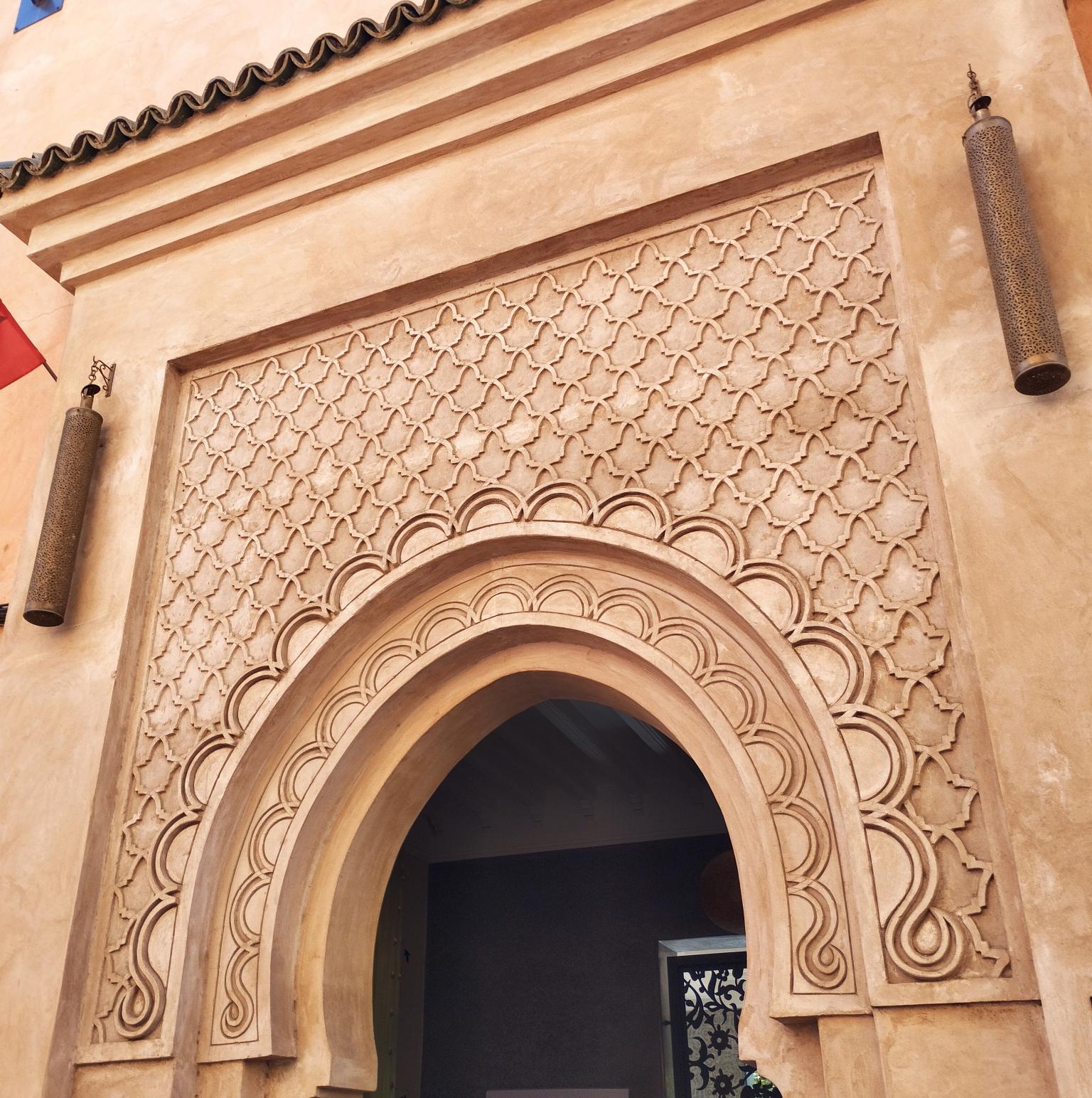
From Bahia, walk to the Ben Youssef Madrasa - a 14th-century Quranic school with geometric plasterwork that’s best before the tour groups arrive. Entry is around 70 MAD. The route from Bahia takes you through the northern medina’s copper and woodworking quarters.
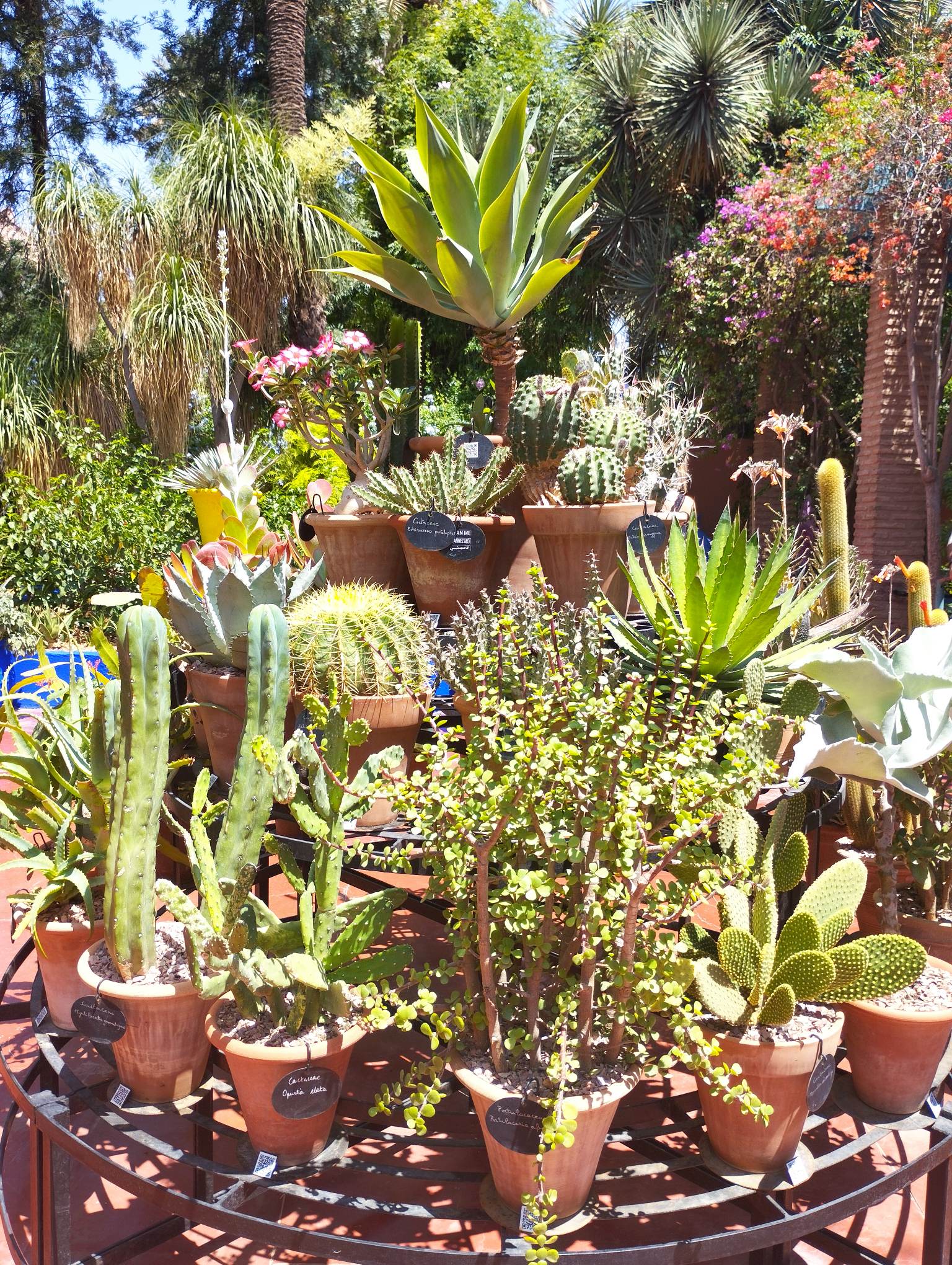
Jardin Majorelle is a 20-minute walk from the medina (or a petit-taxi). Garden entry is 170 MAD; the YSL Museum is an additional 140 MAD. Book timed slots online in advance - they sell out in spring and autumn. Go at 8am when it opens if you want it without crowds.
In the afternoon, book a hammam. Local neighbourhood hammams cost 5 to 20 MAD (basic, fast, authentic, confusing the first time). Tourist hammams like Les Bains de Marrakech or Hammam de la Rose cost 250 to 500 MAD and include argan scrubs, rose water, towels, and English-speaking staff. If you want to relax, book the tourist version. If you want the real thing, ask your riad.
For dinner, try Café Clock (relaxed, good food) or take a taxi to Gueliz and eat at Grand Café de la Poste - proper tables, no hawkers, reliable food.
Day 3: Choose Your Day Trip
On day three, leave the city. All three options below are within an hour or two of Marrakech. They suit different travellers, so read the honest comparison before you book.
See all current options on the tours page - prices vary by operator and season, and the advice below reflects current (2026) pricing from multiple sources.
Atlas Mountains and Ourika Valley
The drive south from Marrakech into the foothills of the High Atlas takes about 1.5 hours. The Ourika Valley itself is at around 1,500 metres, with terraced Berber villages, a river running through the valley floor, and the famous Setti Fatma waterfalls at the end of the road.
Organised day trips run from around €20 to €40 for a group, rising to €80 to €120 for a private vehicle. Most include an argan oil cooperative stop en route (the products are tourist-priced - buy in the medina instead). Riverside lunch costs around €10 to €15 extra.
Honest pros: spectacular landscape, genuinely cooler than the city, and the walk up to Setti Fatma waterfalls (about an hour) is worth the effort.
Honest cons: Ourika is heavily touristic. The road through the valley is lined with souvenir shops, the “Berber village” visits on most tours are staged, and the drive is long for a half-day of activity.
Best for: people who want mountains without a serious trek. See the Atlas Mountains day trips guide for route comparisons, or best day trips from Marrakech for alternatives.
Agafay Desert
Agafay is 30 to 40 km southwest of Marrakech - around 40 to 50 minutes by car. It is not a sandy desert (that matters: do not go expecting dunes). It is a hammada - a stone and gravel plateau at around 700 metres - with the High Atlas Mountains on the horizon and a reservoir on the western edge.
Day trips run from about €25 to €70 depending on what’s included. Budget end covers transport, a camel ride, and lunch. Higher end adds quad bikes, pool access, or an evening dinner show. Check the tours page to compare operators.
Honest pros: it’s 40 minutes from the city. The sunset over the plateau - with the Atlas pink behind - is genuinely good. It also works as an afternoon/evening trip if you want to keep day three in the medina until late.
Honest cons: it looks nothing like a classic Moroccan desert. Budget day trips are packaged - camel circle, couscous in a tent, back in the van. That’s fine if you know what you’re getting. Full detail in the Agafay desert guide.
Best for: people who want desert atmosphere without a long drive, or an atmospheric evening out.
Essaouira
Essaouira is a 2.5 to 3 hour drive each way on the Atlantic coast. That’s 5 to 6 hours in a vehicle for a day trip - and that is the honest reality of this option. You will get 4 to 5 hours in the city itself. Organised tours start at around €20 for a group trip.
Honest pros: Essaouira is genuinely excellent - walled medina, blue fishing boats, ramparts, fresh seafood, completely different mood from Marrakech. If you can’t extend your trip, a day visit at least gets you there.
Honest cons: 3 hours each way is a lot. You’ll get 4 to 5 hours in the city, which means walking the main medina, having lunch, and getting back in the van. The drive is largely flat agricultural land - not scenic. A better plan if you can adjust: two nights in Marrakech, then Supratours bus to Essaouira (runs twice daily, around 90 MAD, 3 hours) with one night there before returning. Full breakdown in the Essaouira day trip from Marrakech guide.
Best for: people who won’t have another chance to visit the coast.
Where to Eat: The Honest Short List
Most heavily-promoted rooftop restaurants near Djemaa are overpriced for what they are. A few reliable picks:
- Café des Épices - salads and sandwiches in the spice market, honest prices
- Nomad - slightly smarter, good tagines, rooftop tables, book ahead
- Haj Mustapha - medina hole-in-the-wall stall, brilliant snail soup and fried fish, very cheap
- Comptoir Darna - proper sit-down dinner with entertainment for a special evening; budget 300 MAD+ per person with drinks
Street food is generally safe if you eat from busy stalls. The fresh-squeezed orange juice at the Djemaa stalls (4 MAD a glass) is mandatory.
What This Trip Actually Costs
For a mid-range trip over three days, budget roughly:
- Accommodation: 400 to 800 MAD per night for a decent riad (shared room/double)
- Bahia Palace + Ben Youssef entry: around 170 MAD
- Majorelle Garden: 170 MAD (garden only) or 310 MAD with the YSL Museum
- Hammam: 200 to 500 MAD depending on type
- Day trip (group): 200 to 400 MAD, often more with meals
- Food: 200 to 400 MAD per day eating at a mix of local and mid-range places
Total for three days excluding flights and accommodation: roughly 2,000 to 3,500 MAD (€185 to €325) per person. Marrakech rewards cash - always have dirhams.
Frequently Asked Questions
How many days do you actually need in Marrakech?
Three full days is the minimum for a meaningful visit. Two days gets you the main squares and palaces but not much else. With three days you can cover the major sites, do a hammam, and still fit in a day trip. Four or five days lets you slow down properly - southern medina, a guided souk walk, deeper Atlas options.
Is it safe to walk around Marrakech at night?
Yes. Djemaa el-Fna and the surrounding lanes are busier after dark than during the day. The issue is not crime but persistent touts around the square - walk with purpose, ignore approaches, and you’ll be fine. Women travelling alone should read the solo female Marrakech guide before arriving.
Which day trip is best from Marrakech?
Depends what you want. Ourika Valley is best for scenery and a bit of walking. Agafay is best if you want a quick desert atmosphere or an evening out without a long drive. Essaouira is the most rewarding destination but also the furthest - it works better as an overnight than a day trip. If you’re unsure, read the best day trips from Marrakech guide which covers all the options in more depth.
Do I need to book a guide for Marrakech?
No. The medina is challenging but manageable independently, and getting lost is part of the experience. A guide is useful for the souks if you want context on the different craft quarters, or for your first shopping attempt. Book one through your riad or the tours page - not from someone who approaches you in the street.
What should I pack for a day trip to the Atlas Mountains?
Even in summer, bring a layer - the Ourika Valley is significantly cooler than Marrakech. If you’re walking up to the Setti Fatma waterfalls, wear proper walking shoes or trainers; the path is rocky and sometimes wet. Sun protection is essential, the UV at altitude hits harder than it does in the city. A small daypack with water (buy large bottles in the medina before you leave - prices at the valley are higher) and snacks is sensible.
Is Marrakech expensive compared to the rest of Morocco?
Yes, but not dramatically so. As the main tourist city, Marrakech has the highest prices for accommodation, food, and entry fees. A riad room that costs 600 MAD in Marrakech might be 300 MAD in Fes or Chefchaouen. Street food and market prices are similar across the country. Budget travellers can keep daily costs low by staying in a mid-range riad rather than a boutique hotel and eating at local restaurants rather than tourist ones. The Marrakech 2-day itinerary has a tighter budget breakdown if you’re watching costs closely.
Ready to Book?
Browse curated Morocco tours from verified operators, filtered by interest and budget.
Find Your Perfect Tour