Last updated: June 2026
Jardin Majorelle is one of the most Instagrammed spots in Africa, and that is both its appeal and its problem. The cobalt blue is real. The plants are extraordinary. The crowds, especially between 10am and 3pm, are brutal. Here is what six trips to Morocco have taught me about visiting honestly.
This is not a place I’d skip - I’ve been four times now - but I’d have planned my first visit very differently if someone had been straight with me about what to expect. So let’s get into it.
What Jardin Majorelle Actually Is
The garden was created by French painter Jacques Majorelle starting in 1923. He spent decades developing it, painting the buildings in a vivid cobalt blue he eventually trademarked as “Majorelle Blue”. After his death, the property fell into disrepair and was nearly demolished for a hotel development. Yves Saint Laurent and his partner Pierre Bergé bought it in 1980 and funded its restoration.
Today the complex covers about 2.5 acres and contains three separate things worth knowing about:
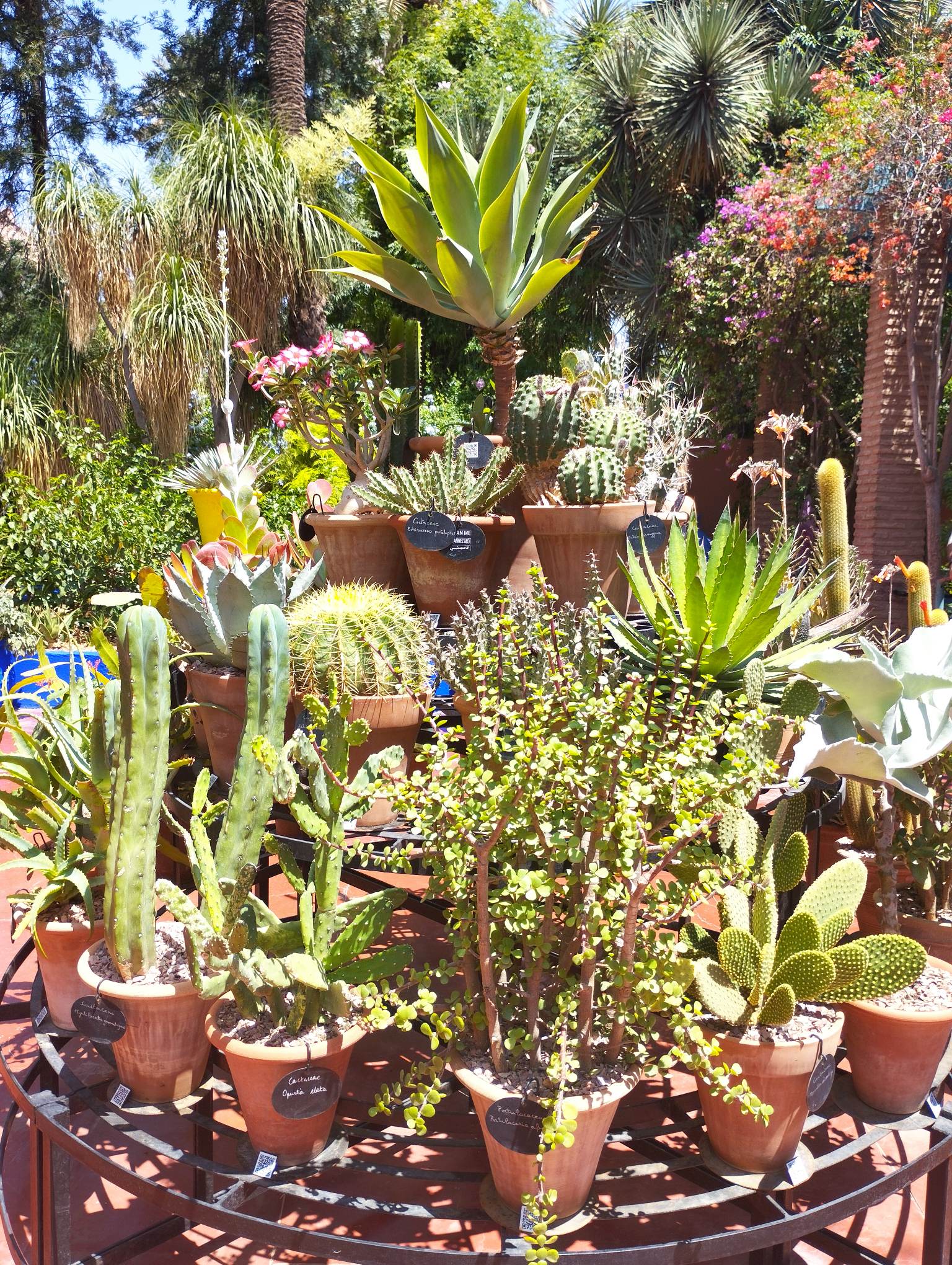
The garden itself - winding paths through bamboo groves, towering cacti, palms, banana trees, water features with lily pads, and that signature blue and yellow colour scheme everywhere you look. The planting is genuinely impressive. Majorelle spent four decades collecting plants from five continents.
The Berber Museum (Musée Pierre Bergé des Arts Berbères) - housed inside one of the original Majorelle buildings within the garden. A well-curated collection of Berber jewellery, textiles, carpets, and everyday objects. Genuinely one of the better ethnographic collections in Marrakech and included in the garden ticket.
The YSL Museum (Musée Yves Saint Laurent Marrakech) - a separate, purpose-built building right next to the garden entrance on Rue Yves Saint Laurent, opened in 2017. Designed by Studio KO, it houses rotating exhibitions alongside permanent displays of YSL’s work. This requires a separate ticket.
Ticket Prices and Options (2025-2026)
Current pricing at the official booking site (tickets.jardinmajorelle.com):
- Garden + Berber Museum only: approximately 100 MAD (around £8 / €9) per adult
- Garden + Berber Museum + YSL Museum combined: approximately 315-330 MAD (around £25 / €29) per adult
- YSL Museum standalone: approximately 135 MAD (around £11 / €13) per adult
- Children under 10: free entry to the garden
These prices are for international visitors. Moroccan nationals and residents pay significantly less - around 35 MAD for the garden.
One thing to know: tickets must be bought online in advance. There is no ticket window at the gate. If you turn up without a booking, you will not get in. Tickets are timed, so you book a specific entry slot.
Tickets are non-modifiable within five days of your visit, so don’t leave booking to the last minute if your travel plans might shift.
Is it expensive by Moroccan standards? Yes. A bowl of harira soup in the Medina costs 10 MAD. A night in a mid-range riad might run 400-600 MAD. Dropping 100-330 MAD on a garden visit will feel steep. Whether it’s worth it is a separate question - more on that below.
The Booking and Queue Reality
The timed-entry system is relatively new, introduced to manage the overwhelming visitor numbers the garden attracts. It helps, but it doesn’t solve the problem entirely.
You will not queue to get in if you book online - that part is sorted. You scan your QR code and walk through. That alone is worth the advance booking admin.
What the timed-entry system does not fix: once inside, the garden fills up fast. The paths are narrow. The most photographed spots - the blue building facades, the cactus garden, the lily pond - draw crowds and photography slowdowns. You’ll often find yourself waiting for a clear shot or just shuffling through a bottleneck.
The honest reality is that if you arrive between 10am and 3pm on a weekend or during peak travel season (October through April), the garden will feel overwhelmed. The meditative quality you might expect from botanical garden visits disappears. It becomes more of a carnival.
The solution is simple but requires commitment: book the first or second entry slot of the day. Opening time is 8am. If you’re there before 9am, you’ll experience something genuinely different from the midday version. The light is better for photos, the heat is manageable, and for the first hour or so you can actually stop and look at things rather than being moved along by the crowd behind you.
The YSL Museum - Worth Adding?
I’d split this into two camps.
If you have any interest in fashion, design history, or the relationship between YSL and Marrakech, yes - add it. The permanent collection traces his career with original garments, sketches, and set designs. The building itself is architecturally striking: warm terracotta brick on the outside, serene interiors. The café is one of the nicest spots in Gueliz for a mid-morning coffee.
If fashion isn’t your thing, it’s skippable. The garden and Berber Museum alone justify the trip. The Berber Museum is underrated - most visitors rush through it to get back outside, but the jewellery and textile collections are some of the finest I’ve seen on display in Morocco.
Note that the YSL Museum is closed on Wednesdays. Opening hours are 10am to 6pm (last entry 5:30pm), so timing with your garden visit takes a bit of planning - especially since the garden opens at 8am but the YSL building doesn’t open until 10am.
How Long You Need
For the garden and Berber Museum alone: one to two hours is realistic. If you’re a photographer or you want to sit and actually absorb the place, give yourself two hours minimum.
Add 45 minutes to an hour for the YSL Museum.
Add 15-20 minutes for the complex’s gift shop if you’re the type (it’s well-stocked and not offensively touristy).
So a combined visit of everything: roughly two and a half to three and a half hours total. It’s a half-day activity, not a full day.
Combining with Gueliz
This is something I’d strongly recommend and that most guides undersell. Jardin Majorelle sits in the Gueliz district - Marrakech’s new city - which is a completely different experience from the Medina. See the full guide to Marrakech’s neighbourhoods for context, but in brief: Gueliz has wide boulevards, French colonial architecture, independent cafés, bookshops, galleries, and restaurants where you can eat without being accosted.
For more on the Medina-versus-Gueliz decision, the Marrakech Medina vs Gueliz guide is worth a read before you choose where to stay.
After Jardin Majorelle, walk 15-20 minutes down Avenue Mohammed V into central Gueliz. Have a proper breakfast or lunch somewhere. Browse. Decompress. The contrast with the Medina is considerable and most visitors only spend five minutes in Gueliz before getting into a taxi, which I think is a mistake.
If you want to combine the garden into a fuller Marrakech day, the 2-day Marrakech itinerary builds the visit into a workable schedule. For the best photography spots in the city more broadly - including the garden - the Marrakech photo spots guide covers timing and positioning in detail.
For tour-based visits to Marrakech that include guided time at Jardin Majorelle, have a look at the Marrakech tours on offer.
Honest Verdict - Is It Worth It?
Yes, with conditions.
The garden is genuinely extraordinary. There is nowhere else quite like it in Morocco. The blue against the tropical planting is as visually striking as you’ve seen in photographs. The Berber Museum punches above its weight. The YSL Museum is a serious, well-designed cultural space.
The hype is also real - and that hype brings the crowds. If you go at the wrong time, you’ll spend most of your visit fighting for space on narrow paths and waiting for tour groups to shift out of your way. You’ll come away feeling you didn’t really see it.
The gap between a visit at 8am on a Tuesday in June and a visit at noon on a Saturday in November is enormous. Same garden, entirely different experience.
My honest recommendation: book the first slot of the day, arrive at the gate five minutes early, do the garden first (before the Berber Museum), then get coffee at the YSL café when it opens at 10am. Walk to Gueliz for lunch. It’s one of the better half-days in Marrakech done that way.
If you’re going in summer, the heat by midday is significant. Even in the garden’s shade, 35+ degrees is hard work. Another reason the 8am slot is not just better for crowds - it’s more comfortable.
One more thing: don’t book through third-party resellers if you can avoid it. The official ticketing site (tickets.jardinmajorelle.com) is the only place that issues valid QR codes. Reseller tickets are often just the same ticket with a markup, or in some cases not valid at all.
See the Marrakech travel guide for the full picture on planning a Marrakech visit, including which neighbourhoods to stay in and what else is worth your time and money.
Frequently Asked Questions
Do I need to book Jardin Majorelle tickets in advance?
Yes, you must. There is no ticket counter at the garden. Tickets are only sold online through tickets.jardinmajorelle.com and are timed, so you select a specific entry slot when you book. Attempting to turn up without a ticket will mean you can’t get in, even if you can see the garden gates. Book at least a few days ahead during peak season (October to April) as popular time slots sell out.
How much do Jardin Majorelle tickets cost in 2025-2026?
The garden plus the Berber Museum costs approximately 100 MAD (around £8-9) for an adult international visitor. A combined ticket covering the garden, Berber Museum, and the YSL Museum next door costs approximately 315-330 MAD (around £25-29). The YSL Museum alone is around 135 MAD. Prices are in Moroccan dirhams and are set by the Fondation Pierre Bergé, so check the official site before you travel as they do adjust periodically.
What is the best time to visit Jardin Majorelle to avoid crowds?
The first entry slot of the day - arriving at 8am when the garden opens - is significantly less crowded than any later slot. Aim to be inside before 9:30am. Weekday mornings are quieter than weekends. If you can’t do early morning, late afternoon (after 4:30pm) sees crowds start to thin slightly, though the garden begins closing at 5:30pm so you’d have limited time. Avoid 10am to 3pm if you have any flexibility.
Is the YSL Museum worth visiting alongside the garden?
It depends on your interest in fashion and design. If that’s your world, the YSL Museum is excellent - a serious architectural space with well-displayed collections tracing his career and his relationship with Marrakech. If fashion doesn’t interest you, the Berber Museum inside the garden is the better use of time and is included in the standard garden ticket. Note the YSL Museum is closed on Wednesdays and doesn’t open until 10am, while the garden opens at 8am.
How long should I spend at Jardin Majorelle?
Allow one to two hours for the garden and Berber Museum if you’re visiting casually, or up to two and a half hours if you want to photograph properly or sit and absorb the place. Add 45 minutes to an hour if you’re visiting the YSL Museum. A combined visit of everything typically runs two and a half to three hours.
Can I combine Jardin Majorelle with the rest of Gueliz?
Yes, and I’d recommend it. The garden is in the Gueliz district - Marrakech’s new city - which is walkable from the garden entrance. After your visit, you can walk 15-20 minutes down Avenue Mohammed V into the heart of Gueliz for lunch, coffee, or a browse. It makes for a very good half-day that balances the high-stimulation garden visit with the relative calm of Gueliz’s streets and cafés.
Ready to Book?
Browse curated Morocco tours from verified operators, filtered by interest and budget.
Find Your Perfect Tour