Last updated: June 2026
Morocco is not an easy destination for wheelchair users or people with reduced mobility. Most of it was not built with accessibility in mind. But a Morocco trip is genuinely possible - and genuinely worthwhile - if you pick your bases carefully, book the right operator, and arrive with accurate expectations rather than wishful ones.
I have been to Morocco six times since 2017 and I have travelled with a friend who uses a manual wheelchair. We have had some brilliant moments and some flat-out exhausting ones. This guide tries to give you the information we wished we had beforehand.
The Medina Reality
Every honest guide to accessible travel in Morocco has to start here, because the medinas are what most people picture when they imagine the country - and the medinas are, for the most part, inaccessible to wheelchair users.
The old cities of Fes, Marrakech, Meknes, and Tetouan were built over centuries for pedestrians and pack animals. The lanes can narrow to less than a metre. Steps appear without warning between one section and the next. Cobblestones are uneven, often broken, and sometimes slippery. Drainage channels cut across pathways. There are no dropped kerbs, no ramps, no accessible routes. Motorbikes and heavily laden donkeys share the same lanes as pedestrians, which means the theoretical 80cm of clearance on a given alley often shrinks to nothing at the exact moment you need to pass.
Chefchaouen - the blue city everyone photographs - is one of the least accessible places in Morocco. The streets are steep, the steps are frequent, and even the flatter sections are rough cobblestone. Fes el-Bali is similarly difficult, with the medina covering a large hillside where gradient compounds every other obstacle.
Marrakech is better than both - it is flat and the main medina lanes are somewhat wider. Some areas around Djemaa el-Fna can be navigated by a manual wheelchair with a strong helper on a quiet morning, but it is still cobblestoned, still crowded, and threshold steps into shops and riads are a constant issue. Essaouira has the most accessible medina in Morocco - its Portuguese-influenced grid layout means wider, flatter streets - but even Essaouira is uneven cobblestone throughout.
What you can do is plan around the medinas rather than through them.
See also: Morocco for every traveller and Morocco trip planning for broader planning frameworks.
The Best Accessible Base in Morocco: Agadir
If the medinas are the problem, Agadir is the main solution. It is by some distance the most accessible city in Morocco, and the gap between Agadir and everywhere else is substantial.
Agadir was rebuilt from scratch after a catastrophic earthquake in 1960 killed between 12,000 and 15,000 people and flattened virtually every structure in the city. The new Agadir was designed with wide boulevards, low-rise planning, and earthquake-resistant buildings. There was no historic medina to preserve. The result is a modern, flat, broadly accessible city that happens to sit on a long Atlantic beach.
The Corniche promenade runs the length of the main beach - roughly 6 kilometres of smooth, flat paving along the seafront. It is genuinely wheelchair-friendly. The beach itself is sandy (which means it is harder going without a beach wheelchair), but several resort hotels along the Corniche provide beach wheelchairs at no or minimal cost, and some beach clubs rent them. The main beach access points have ramps from the promenade to the sand.
The city itself has wide pavements in most areas, accessible entrances to many restaurants and shops, and modern resort hotels built to international standards with lifts, roll-in showers, and adapted rooms. You will still encounter high kerbs in places, cracked pavement in less-touristy neighbourhoods, and the general variability of infrastructure that characterises Morocco - but this is a different scale of challenge from a historic medina.
The newer Souk El Had market in Agadir is also significantly more accessible than medina souks elsewhere, with wider lanes and a more regular layout.
For an older traveller or someone with moderate reduced mobility who wants a beach-based Morocco experience, Agadir is the right choice. See Agadir travel guide for full detail on the city.
Getting Around Morocco: Transport Options
Public transport in Morocco is not accessible. City buses have no wheelchair ramps. Grands taxis are standard saloon cars. CTM and Supratours coaches have no wheelchair spaces or adapted toilets. Train carriages vary and reliable wheelchair access is not consistently available.
The practical solution is private transport with an adapted vehicle. Specialist operators run Mercedes Sprinter minivans and similar vehicles adapted for wheelchair users, giving you full control over pace and route.
Agadir’s flat layout and wide streets make it one of the few Moroccan cities where a powered wheelchair or scooter is genuinely practical. Major routes between Marrakech, Agadir, Fes, and the south are good tarmac; mountain passes and rural routes can be rough.
For the Sahara, a 4x4 is the standard way to reach desert camps near Merzouga. The transfer requires being lifted into the vehicle and having your chair stored - some operators have hydraulic assists for this. The camps themselves are ground-level tent accommodation on flat sand, which is actually more manageable than many hotels once you are there. See Sahara desert tours Morocco for how these trips work.
Accommodation: What to Ask and What to Expect
Accommodation accessibility in Morocco runs from excellent to non-existent, and the marketing rarely reflects the reality.
Modern international hotels in Agadir, Marrakech’s Gueliz district, Casablanca, and Rabat are your most reliable option. Brands like Sofitel, Fairmont, and Marriott have adapted rooms with roll-in showers, grab rails, wide doorways, and lift access. Book directly and confirm room floor and bathroom configuration - and if you use a powerchair, check lift dimensions.
Riads are more complicated. Traditional riads have stepped entrances, narrow staircases, and no lifts. A small number have adapted ground-floor rooms with widened doorways and roll-in showers. Riad Africa in Marrakech is built specifically for wheelchair users; Les Jardins de la Medina and Dar Daif have adapted ground-floor options.
When contacting any accommodation, ask:
- Is there a step at the street entrance, and if so how high?
- Is the accessible room on the ground floor?
- What is the minimum doorway width on the accessible route?
- Does the bathroom have a roll-in shower or a step-in cubicle?
Do not rely on generic “accessible” tags on booking sites without these specific answers. An inability to answer them in detail is itself an answer.
Specialist Operators: Who to Look At
A good accessible travel operator in Morocco makes the difference between a frustrating trip and a genuinely good one. They handle adapted transport, select accommodation they have physically inspected, choose accessible routes and sites, and know when to tell you honestly that something is not achievable.
Morocco Accessible Travel Consultants (moroccoaccessibletravel.com) - Fes-based, with strong TripAdvisor reviews. They handle airport transfers, city tours, and Sahara trips with adapted vehicles and disability-trained guides.
MSITravels (msitravels.com) - Design itineraries per client, give an honest pre-booking assessment of what is achievable for your specific mobility requirements, and cover accommodation, vehicle, and site selection.
Handioasis - Has a fully adapted van and a modified 4x4 with a hydraulic lifter. Particularly useful for travellers who want a single base rather than a moving itinerary.
Wheel the World and Limitless Travel are international operators that include Morocco in their portfolio and handle end-to-end trip design.
For any operator, ask specifically what vehicles they use, whether they have experience with your wheelchair type, what their policy is when an access issue arises unexpectedly, and whether they can provide references from past clients with similar needs. Book at least three months ahead - adapted vehicles and accessible accommodation are limited, and availability fills early.
If you would rather build your own trip, tours from our partners include private and small-group options that can often be customised for reduced mobility with advance notice.
What to Ask Before You Book (The Non-Negotiables)
Regardless of who you book with, these are the questions to get clear answers on before you commit:
Wheelchair dimensions. Give exact width, length, and weight. This affects what vehicle can take you, whether doorways are passable, and whether the minivan boot has space. If you use a powerchair, confirm battery type - some airlines and Sahara transfer vehicles have restrictions on lithium batteries.
Transfer capability. Can you transfer independently or do you need a full hoist? This affects which camps, beaches, and sites are genuinely open to you rather than just on the itinerary in theory.
Terrain tolerance. Be honest about what you can manage across sand, cobblestone, and gravel, and let your operator plan a realistic route around it.
Bathroom configuration. Roll-in shower or step-in cubicle, grab rail positions, turning radius. Hotels that claim accessible bathrooms often mean a slightly wider cubicle with one rail. Confirm specifics.
Sahara transfer. If the desert is on your list, ask exactly how the road-to-camp transfer works - distance, terrain type, and what assist the operator can provide.
An operator who responds with vague reassurances rather than specific answers is not the right operator.
Realistic Expectations: The Honest Version
Morocco rewards travellers who are honest with themselves about what they want. For wheelchair users and people with reduced mobility, that honesty matters more than for most visitors.
You will probably not be able to explore a historic medina independently. You may manage short sections of Marrakech’s main souks with a companion and an early start, but not Fes or Chefchaouen in any meaningful way.
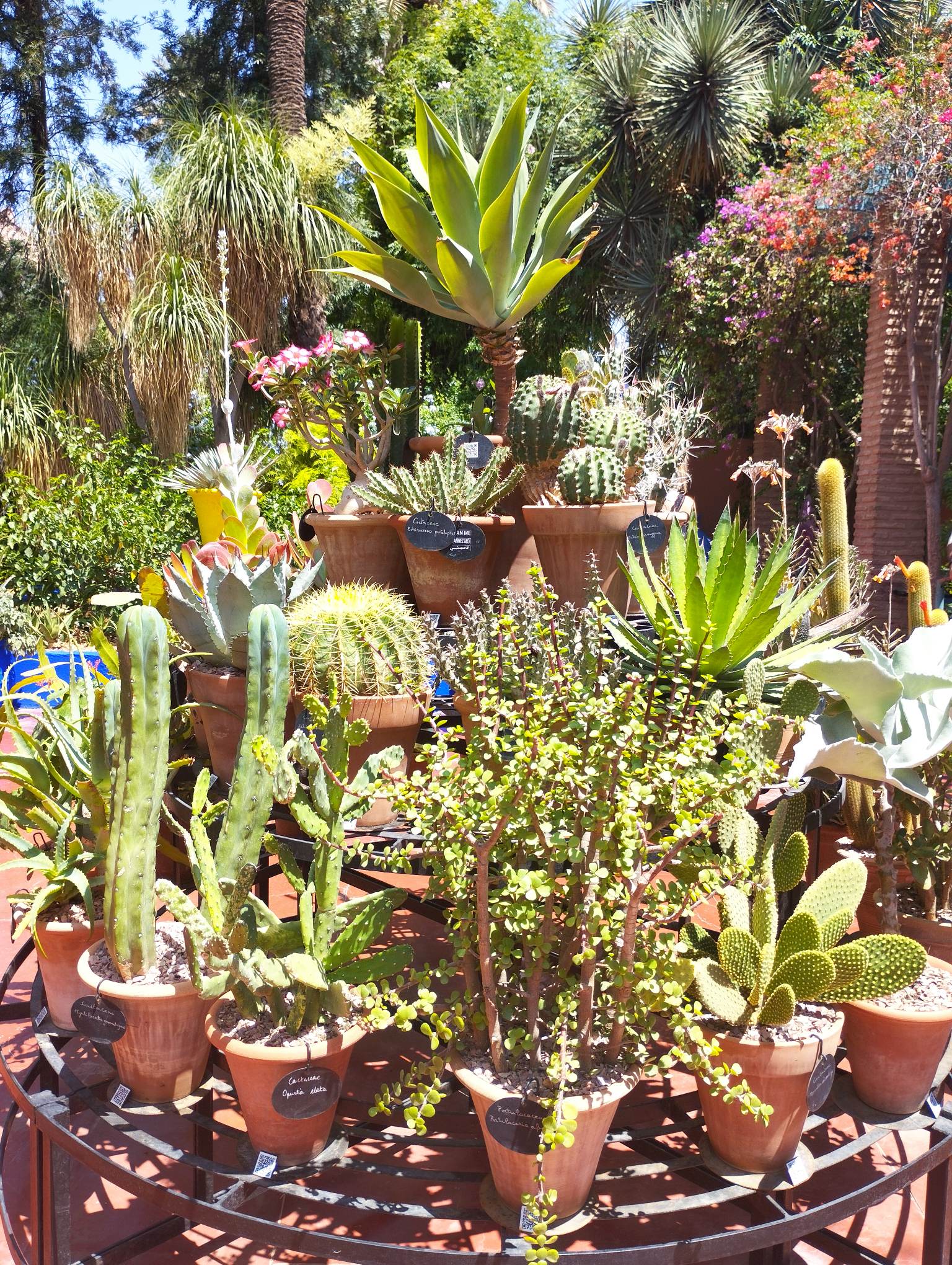
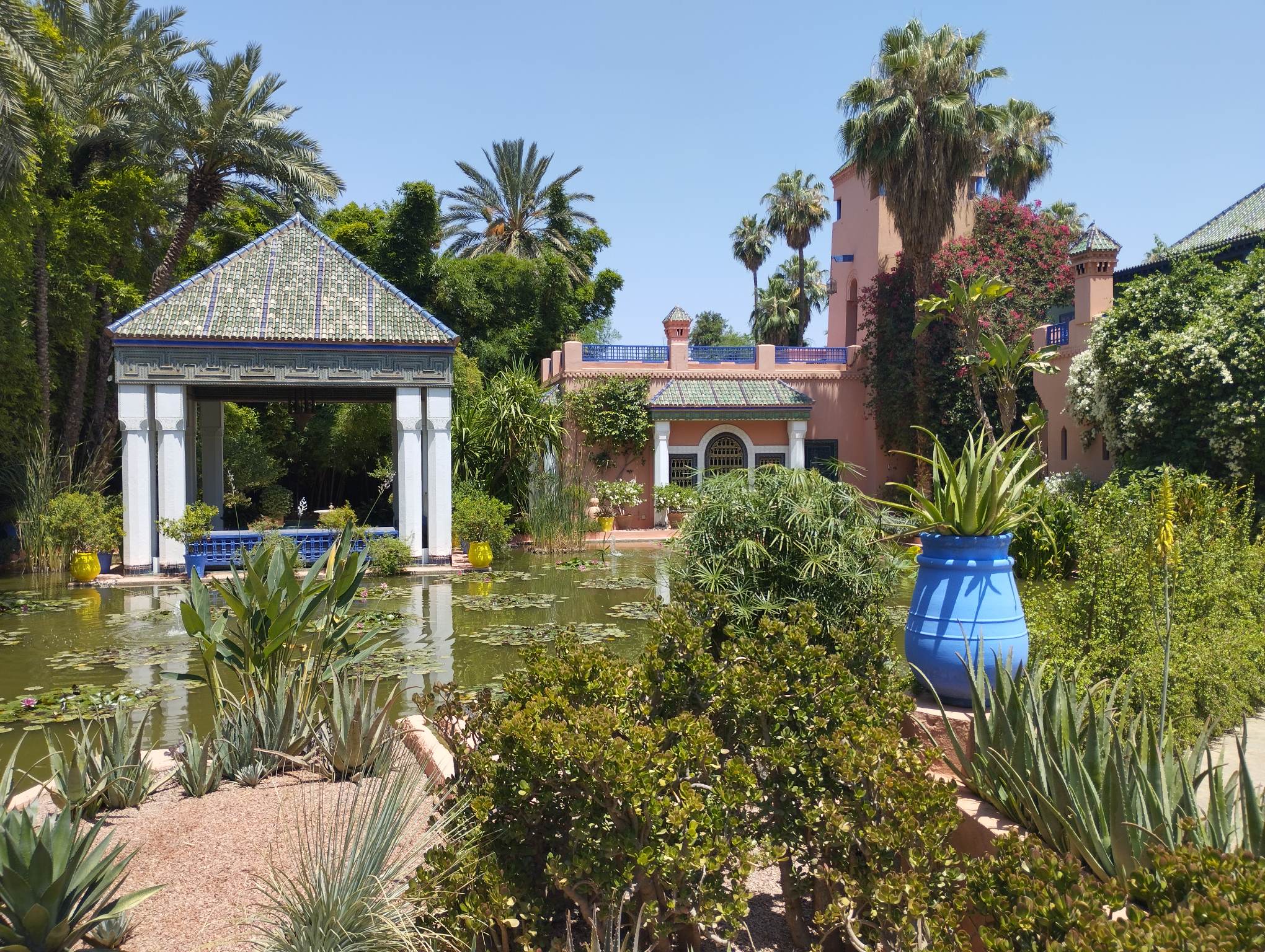
You can have a genuinely excellent time in Agadir - beach, promenade, good food, reliable weather. You can reach the Sahara with the right operator and vehicle. You can visit the Hassan II Mosque in Casablanca, which has accessible routes. The lower sections of Ait Ben Haddou are reachable with adapted transport. Majorelle Garden in Marrakech has accessible paths.
See Morocco for older travellers for overlapping advice on pacing, and Morocco trip planning for structuring a realistic itinerary.
Moroccans are, on the whole, genuinely helpful to travellers with mobility difficulties - in a spontaneous, human way rather than a formally trained one. People move things to let you through and offer assistance without being asked. That goodwill does not replace infrastructure, but it is real.
Frequently Asked Questions
Is Morocco accessible for wheelchair users?
Partially. Agadir, major resort hotels, several garden sites, and the Hassan II Mosque are genuinely accessible. Historic medinas in Fes, Marrakech, and Chefchaouen are largely inaccessible due to cobblestones, steps, narrow alleys, and the absence of ramps. With a specialist operator, a private adapted vehicle, and carefully chosen accommodation, wheelchair users can have a genuinely good trip - it just requires more planning than most destinations.
What is the most wheelchair-friendly city in Morocco?
Agadir. Rebuilt after the 1960 earthquake as a modern planned city, it has wide flat streets, a smooth 6-kilometre seafront promenade, accessible resort hotels, and a layout that works for powered wheelchairs and mobility scooters. The absence of a historic medina is a large part of what makes it accessible.
Can I visit the Sahara as a wheelchair user?
Yes, with planning. Reaching desert camps near Merzouga requires a 4x4 transfer from the road across sandy terrain, and you will need to be transferred from your chair into the vehicle - some operators have hydraulic assists for this. The camps themselves are ground-level tent accommodation on flat sand, which is actually more accessible than many traditional hotels. Confirm the transfer process in detail with your operator before booking.
Are riads accessible for wheelchair users?
Most are not. Traditional riads have stepped entrances, narrow staircases, and no lifts. A small number have been adapted with ground-floor rooms, widened doorways, and roll-in showers - Riad Africa in Marrakech is built specifically for wheelchair users. Always ask accommodation directly for specifics rather than relying on general accessibility tags on booking sites.
Do I need a specialist accessible tour operator for Morocco?
For wheelchair users or people with significant reduced mobility, yes. Standard taxi and coach transport is not accessible, and a specialist operator will have inspected the accommodation they recommend and can give you an honest pre-trip assessment of what is achievable. Browse available tours for private options that can often be adapted with advance notice.
How far ahead should I book an accessible Morocco trip?
At least three months, and more in peak season (March to May, September to November). Adapted vehicles and accessible accommodation are limited, and the best options fill early.
Before You Go: Get Covered
Morocco is safe to travel with a little preparation. Travel insurance covers the few things that can still go wrong, from a stomach bug to a cancelled flight.
Read our Morocco insurance guide