Moroccan food and culture guide: dishes worth seeking, vegetarian reality, cooking classes, mint tea, dress, bargaining, tipping and Darija phrases.
Last updated: June 2026
Moroccan food is genuinely one of the best reasons to go. And the culture - once you understand a few key things - makes the whole trip richer. This guide covers both, honestly.
I have been to Morocco six times since 2017, across Marrakech, Fes, Chefchaouen, Essaouira, the Draa Valley, and the Sahara. These are the things I wish someone had told me before the first trip.
The Dishes Worth Seeking
Tagine - and what the word actually means
A tagine is both the conical clay pot and the slow-cooked stew inside it. The pot traps steam, which condenses on the lid and drips back down into the food. The result is meat that falls off the bone and sauce that concentrates into something close to extraordinary.
The common varieties you will encounter:
- Chicken with preserved lemon and olives - the most common, and one of the best. Preserved lemon adds a sharp, fermented citrus note that is nothing like fresh lemon. If you only eat one tagine, make it this one.
- Lamb with prunes and almonds - sweet-savoury, deeply spiced, typical of Fes and Marrakech medina restaurants.
- Kefta tagine - spiced lamb or beef meatballs cooked in tomato sauce, often with a cracked egg added at the end.
- Vegetable tagine - chickpeas, courgette, carrot, potato, seasoned with cumin, turmeric, and ras el hanout. This is the default vegetarian option at most places and it ranges from excellent to dull depending on who made it.
- Tangia - not quite a tagine. Tangia is a Marrakchi speciality: slow-cooked beef or lamb sealed in a clay urn and cooked for hours in the embers of a hammam furnace. Specific to Marrakech, rich and smoky, worth seeking in the Jemaa el-Fnaa area.
Couscous on Fridays
Couscous is the Friday dish in Morocco - it is connected to the weekly communal prayers and most families eat it at home that day. Restaurants serve it too. It arrives in a large bowl, the couscous steamed and fluffy, topped with braised vegetables and usually lamb or chicken. Some versions use seven vegetables, which is considered lucky. If you are in a city on a Friday, order it.
Harira
A thick soup of tomatoes, lentils, chickpeas, vermicelli, and fresh coriander. It is the soup Moroccans break their Ramadan fast with, but it is available year-round. It costs almost nothing from a local café, it is filling and warming, and it is usually excellent. Dates and chebakia (sesame-honey biscuits) are the traditional accompaniments at Ramadan time.
Pastilla (also spelled bastilla or b’stilla)
This is the dish that surprises people most. A pastilla is a layered pie made from warqa pastry - paper-thin, like filo but lighter - filled with slow-cooked pigeon or chicken, egg custard set in the cooking juices, and a sweet almond layer with cinnamon and sugar. The whole thing is dusted with icing sugar and cinnamon on top. Sweet and savoury at once. Historically it was a dish for feasts and royalty. Now you find it in better restaurants across Morocco. Try it in Fes if you can.
A seafood version (pastilla au fruits de mer) is common on the coast.
Rfissa and mechoui
Rfissa is less known to tourists but worth seeking. Shredded msemen or trid pastry in a rich chicken broth, thickened with fenugreek and lentils, spiced heavily with ras el hanout. A celebration dish, though some restaurants serve it year-round. If someone invites you to eat it in their home, accept.
Mechoui is whole lamb slow-roasted in a clay oven until pull-apart tender. In Marrakech, mechoui sellers operate near Jemaa el-Fnaa - bought by weight, eaten with salt, cumin, and bread. One of the best eating experiences in the country.
Msemen and baghrir for breakfast
Msemen are square flatbreads, layered and flaky, cooked on a griddle. They are eaten for breakfast with honey and butter, or served alongside a stew. Baghrir are the sponge pancakes - round, covered in hundreds of tiny holes, slightly sour from fermentation, eaten with melted butter and honey. Both are made fresh and they are one of the best reasons to eat breakfast in your riad rather than going out.
Street Food
The street food scene is serious and largely safe if you use basic judgement. Busy stalls with high turnover are your friend. A few things worth seeking:
- Msemen and harcha (semolina bread) from morning carts
- Grilled brochettes (skewers of spiced meat) at evening stalls near Jemaa el-Fnaa in Marrakech
- Snail soup (babbouche) - stalls in Marrakech’s main square serve it in small bowls with broth and a toothpick; mild, slightly herby, nothing to fear
- Roasted corn and sugar cane from carts in the medinas
- Msemen stuffed with kefta, made to order
For the full breakdown, see the Morocco street food guide.
Mint Tea and Fresh Orange Juice
Mint tea is a ritual, not just a drink. It is poured from height to create froth. It is sweet - very sweet - made from green tea, fresh mint, and a significant amount of sugar. If someone pours it for you, drink it. Refusing is rude. Want less sugar? “Bla sukar” - though it may produce puzzlement.
You will be offered mint tea in shops. Not every offer comes with an obligation to buy, but some vendors use it as an opening. You do not have to stay or purchase anything. A polite “shukran” and a smile covers it.
Fresh orange juice is everywhere and cheap - 5-10 MAD (roughly 50p to £1) from street carts, squeezed to order. Drink it every morning.
What to Be Cautious About
Raw salads arrive as starters at almost every restaurant. Usually fine, but go easy in the first couple of days if your stomach is sensitive.
Tap water - drink bottled. The pipes in old medinas are old. Use bottled for brushing teeth for the first few days too.
Hidden meat in vegetable dishes - see the vegetarian section below.
Ice - tourist restaurants in cities typically use purified water. Skip it in smaller local places if you are cautious.
The Vegetarian Reality
Morocco is not an easy country for committed vegetarians, but it is manageable. The honest answer is this: many dishes that appear vegetarian contain hidden meat.
Harira, for example, often contains lamb stock. Vegetable couscous may be cooked in meat broth. Even vegetable tagines in some places are cooked in pans that have had meat in them. If you are vegetarian rather than vegan, and you are flexible about stock and shared pans, you will eat well. If you are strict vegetarian or vegan, you need to ask specifically: “Bla l7em, bla djaj” (without meat, without chicken).
What does work well for vegetarians:
- Egg dishes (omelettes, tagines with eggs)
- Bread and olive oil
- Fresh salads and cooked vegetable starters
- Harira (ask if the broth is vegetarian)
- Vegetable tagines (specify clearly)
- Street food - msemen, baghrir, fresh juice, nuts and dried fruit from the souks
The cooking class experience (see below) is particularly good for vegetarians who want to understand the food properly without the uncertainty of ordering blind.
Cooking Classes: Worth Booking
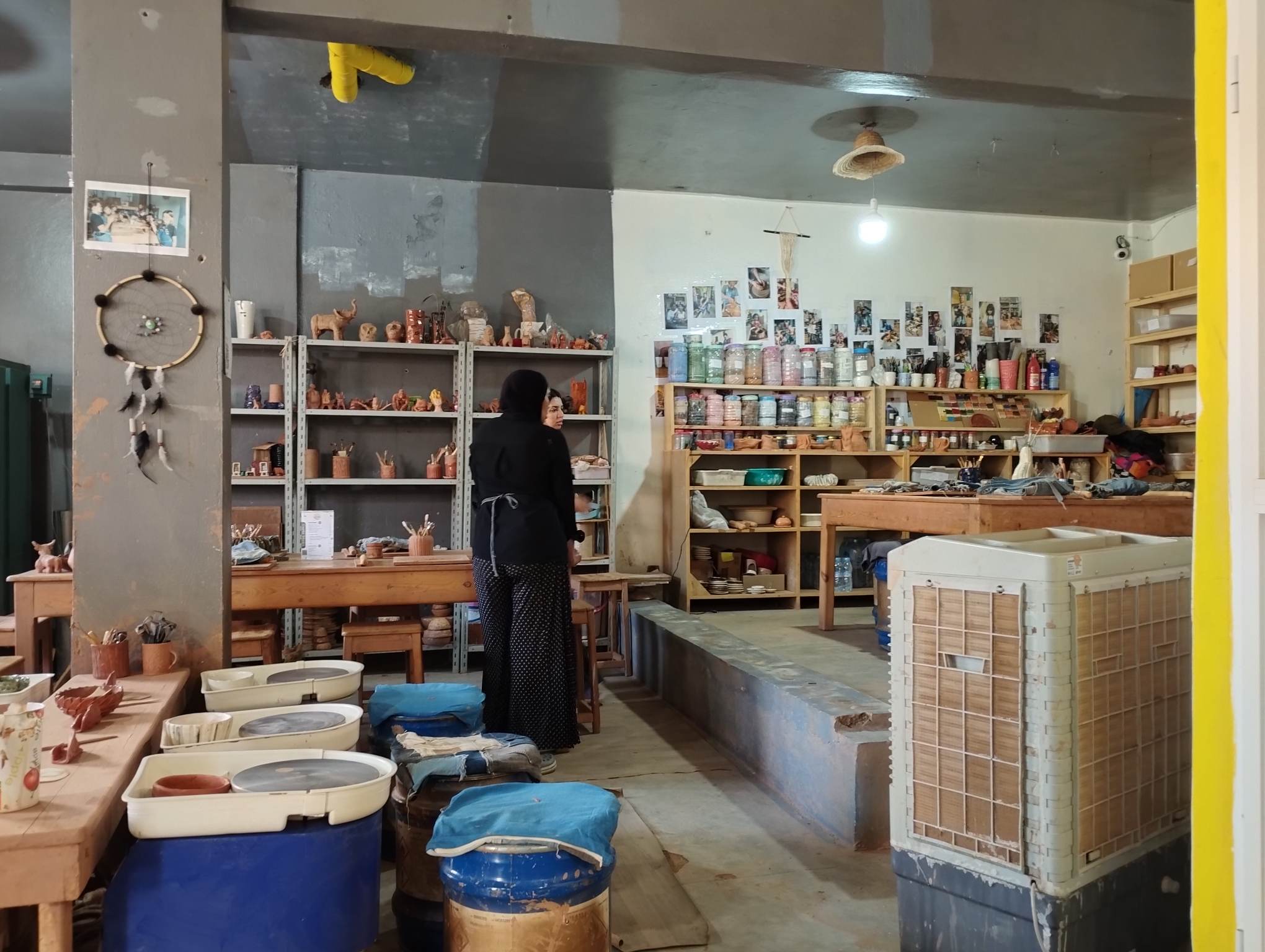
A cooking class is one of the most consistently enjoyable things you can do in Morocco, and it works at almost every budget. You typically visit a market with a guide first to buy ingredients, then cook in a riad kitchen and eat what you have made.
What they typically cover: tagine, couscous, Moroccan salads, pastilla, mint tea.
Prices in Marrakech range from around $40-60 per person for a half-day group class to $100+ for a private session. Classes at La Maison Arabe - one of Marrakech’s most respected cooking schools - sit at the higher end and are excellent.
In Fes, prices start around $37 per person and go up to $90+ for a private experience with a market tour included. Fes is particularly good for this because the medina market is one of the most intact in Morocco and the city’s food culture is older and more complex than Marrakech’s.
Browse the cooking classes and food tours available through /tours/ to find options that fit your budget and travel dates.
Islam and the Daily Rhythm
Morocco is a Muslim country and this shapes daily life in immediately visible ways.
The call to prayer (adhan) sounds five times a day from mosques in the medina. Striking, particularly the pre-dawn Fajr or the sunset Maghreb call. No action required from you - it simply marks time.
Friday is the day of communal prayer. Some medina shops close for an hour around midday. Government offices keep shorter hours. Tourist facilities stay open. Friday also means couscous - order it.
Non-Muslims cannot enter most mosques. Exceptions: the Hassan II Mosque in Casablanca and Tin Mal Mosque near Marrakech both allow non-Muslim visitors on guided tours.
For Ramadan specifically, see the Ramadan in Morocco guide for tourists.
The Medina, the Souk, and Bargaining
Every major Moroccan city has a medina - the old walled city - and inside it, souks: the market districts, historically organised by trade. Leatherworkers here, spice sellers there, metalworkers in another lane. In Fes this organisation still largely holds. In Marrakech it has softened but the structure is visible.
Getting lost is part of it. Keep GPS downloaded offline, accept that you will get turned around, and know that most locals who offer to help you find the tanneries are guiding you toward a shop where they receive commission. Not necessarily a problem - just know it is happening.
Bargaining is expected for most souk purchases. Start at roughly half the asking price and work up slowly. Be prepared to walk away. Prices in tourist-facing shops are marked up significantly for the opening offer. If a price feels fair to you, it probably is. Do not bargain aggressively over small sums.
Fixed prices exist in pharmacies, supermarkets, and some larger shops - if a price is on a tag, it is likely fixed.
For technique and specific tactics, see the guide to bargaining in Morocco.
Hospitality, Tea, and Invitations
Moroccan hospitality is genuine and can be disarming. You may be invited for tea, offered food by someone you have just met, or welcomed in ways that feel disproportionate. Most of this is sincere.
Accept what you can. If you accept tea in a shop and then do not buy anything, say thank you and leave - you owe nothing. The hospitality code is not transactional in the way that hustling sometimes is.
If you are invited to eat in someone’s home - rare, but it does happen in smaller towns - it is a significant honour. Accept if you can.
Dress and Modesty
Morocco is conservative by Western European standards. You will see tourists in shorts in Marrakech’s main square without issue, but you will draw less attention and hassle if you cover up more.
Women: loose trousers or a long skirt and a top covering the shoulders is a practical baseline. Carry a lightweight scarf - useful for mosques, desert evenings, and more conservative areas. You do not need to cover your hair generally.
Men: shorts are fine in tourist areas. Removing your shirt in the medina is not appropriate.
Mosques: modest dress is required for everyone - covered shoulders and legs, and for women a scarf over the hair. Most entrances provide one.
The what to wear in Morocco guide has a full packing list.
Language: Darija, French, Arabic, Berber
Morocco’s official languages are Arabic and Tamazight (Berber), but Darija - Moroccan Arabic - is what most people speak day to day. French is the language of business and urban daily life. In tourist areas English is increasingly common. In rural areas, Tamazight or Darija is what you need.
Useful Darija to know:
| Phrase | Meaning |
|---|---|
| Salam | Hello |
| Shukran | Thank you |
| 3afak | Please |
| La shukran | No thank you |
| Bshhal? | How much? |
| Ghali bezaf | Too expensive |
| Wakha | OK / Fine |
| Bla sukar | Without sugar |
| Bla l7em | Without meat |
| Safi | That’s enough |
Learning five of these will improve your trip noticeably. Moroccans appreciate the effort visibly.
For more phrases and pronunciation help, see the Morocco language guide.
Tipping
Tipping is customary and matters. Morocco’s minimum wage is low and tips form a meaningful part of income for many service workers.
Practical amounts (2025/2026):
- Restaurants - 10% of the bill in a sit-down restaurant; 5-10 MAD at a local café or food stall
- Tour guides - 100-150 MAD per person for a full-day guide; 50-100 MAD for a half-day
- Drivers - 100 MAD for a half-day; 200 MAD for a full day
- Hammam attendants - 20-50 MAD depending on the type of hammam (local vs. tourist spa)
- Hotel porters - 10-20 MAD per bag
- Housekeeping - 10-20 MAD per day or 100 MAD for the week, left on the pillow
- Taxi drivers - round up to the nearest 5-10 MAD; not strictly expected but appreciated
Tip in Moroccan Dirhams. Keep small notes handy. Tip in cash directly to the person, not via a card machine.
Photography Etiquette
Always ask before photographing people. In tourist areas some people will ask for a small tip (10-20 MAD) after you photograph them - this is fair; decline before the photo rather than after.
Tanneries like Chouara in Fes are viewed from the balconies of leather shops, which often hand you a sprig of mint for the smell. Accept it. You do not have to buy, but the access comes with a light expectation that you will look.
Do not photograph people at prayer or inside mosques.
For a broader look at culture adjustment, see the Morocco culture shock guide.
Hammam Culture
A hammam is a public steam bathhouse, central to Moroccan life for centuries. Many Moroccan families still go weekly.
How it works: You move through progressively warmer rooms. An attendant scrubs you with a kessa glove (an exfoliating mitt) and applies beldi soap - a black olive-oil soap that softens the skin. The scrub removes dead skin in rolls and is vigorous. A full session takes 60-90 minutes.
Two versions:
- Local hammam - neighbourhood bathhouse, 15-30 MAD entry, basic and authentic. Men and women have separate sections or hours.
- Tourist/spa hammam - private, guided, everything provided, typically 200-500 MAD or more. Good for first-timers.
Bring a towel, flip flops, and something to wear (underwear or swimsuit). Tip the attendant 20-50 MAD.
What Surprises First-Timers
The sound. Medinas are loud - motorbikes, vendors calling, the call to prayer, children, metalwork. Overwhelming for the first hour; normal by day two.
The persistence of some vendors in heavy tourist areas around Jemaa el-Fnaa. A calm, repeated “la shukran” (no thank you) without eye contact is the most effective response. Most of Morocco is not like this.
How safe it actually is. Medinas feel disorienting and some vendors can feel aggressive, but serious crime against tourists is rare. See the Morocco first-timer guide for a full picture.
The generosity. Strangers help you when you are lost. People share food. Someone will invite you for tea with no expectation attached. This surprises people just as much as the noise.
Frequently Asked Questions
Is the food in Morocco spicy?
Not in the chilli-hot sense. Moroccan cooking is heavily spiced - cumin, coriander, cinnamon, turmeric, ginger, ras el hanout - but these are warm aromatic spices rather than hot ones. Harissa (a chilli paste) exists and is sometimes served on the side, but it is optional. Most dishes are not hot. If you have a sensitive palate for chilli, you will be fine.
Can vegetarians eat well in Morocco?
Yes, with some effort. Vegetable tagines and couscous are available everywhere. The challenge is hidden meat - stock, fat used for cooking - in dishes that seem vegetarian. Ask specifically (bla l7em, bla djaj - no meat, no chicken). Eggs are a safe fallback. Cooking classes are the easiest way to eat well and know exactly what is in your food.
How much should I pay for a cooking class in Morocco?
Group classes in Marrakech start around $40-60 per person for a half-day including a market visit; private classes run $100+. In Fes, group classes start around $37-40. Browse options via /tours/.
Do I need to cover my hair in Morocco?
Not in general. Covering your hair is expected inside mosques, where a scarf is often provided at the entrance. Carrying one is useful for mosques, desert wind, and conservative areas. See the what to wear in Morocco guide for a full breakdown.
What is mint tea etiquette?
Accept it when offered, and drink it. Do not refuse a first glass. It will be sweet - intentionally. If you need less sugar, say “shwiya sukar” (a little sugar). Accepting tea in a shop does not obligate you to buy anything.
Is it safe to eat street food in Morocco?
Generally yes. Choose busy stalls - high turnover means fresher food. Mechoui, brochettes, harira, msemen, and fresh orange juice are all low-risk. See the Morocco street food guide for more detail.
What is the tipping norm for a guide in Morocco?
100-150 MAD per person for a full-day guide; 50-100 MAD for a half-day. For a driver, 100-200 MAD depending on the journey length. Tip in Dirhams, in cash, directly to the person.
Ready to Book?
Browse curated Morocco tours from verified operators, filtered by interest and budget.
Find Your Perfect Tour