I had a feeling it would not be long before I was huddled up in a corner of my riad, trembling and refusing to go outside. That is what the first few hours of Morocco feel like for most first-timers.
It is not dangerous. It is just overwhelming. Here is what hits you, why, and how you get past it.
Day One: What Actually Happens
You land. The airport is fine, even pleasant. Then you leave the airport.
The noise outside hits first. Taxis shouting. Motorbikes honking. Street vendors calling. It is not aggressive, it is just loud. Relentlessly loud.
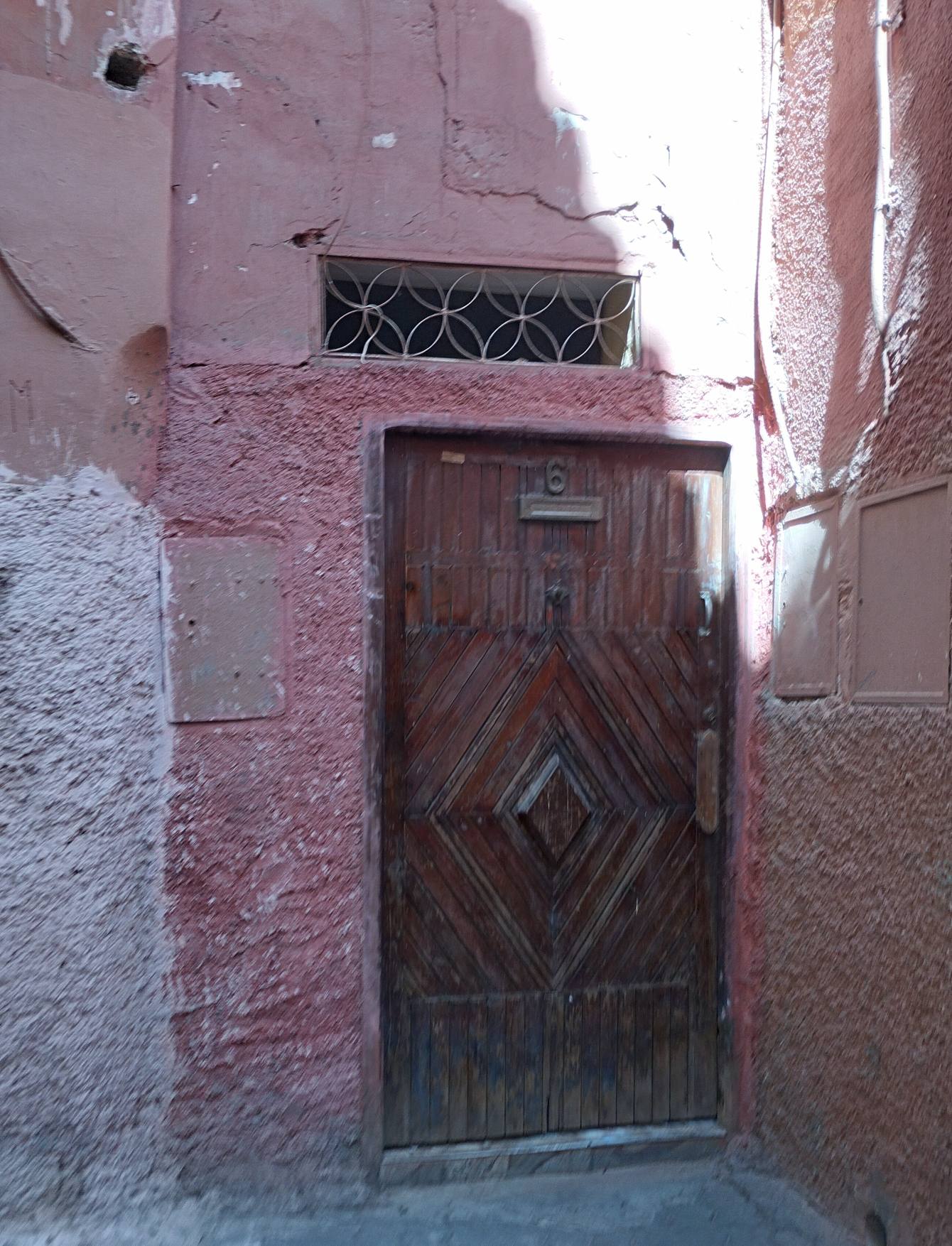
Then you enter the medina (if that is your first stop). The sensory overload is real: narrow alleyways, bright colours, people everywhere, the smell of spices and meat and sewage mixed together, someone grabbing your arm trying to sell you something, children running past, water being sloshed across the ground.
Morocco hits hard on arrival for most first-timers. Even seasoned travellers feel it.
The Sensory Elements That Get to People
The Noise
Medinas are loud. Not in a dangerous way, but in a persistent, inescapable way. Constant low-level chaos. Your nervous system is not used to it and registers it as a threat.
The Persistent Attention
If you are a woman, men will try to sell you things. If you are visibly a tourist, shop owners will call out. It is not harassment exactly, it is attention fatigue. Everyone wants something from you.
The Smells
You are not prepared for the smell of a medina souk. Spices, leather tanneries (if you go to Fez), meat hanging in the heat, perfume, all mixed into something your nose has never encountered. Some people find it wonderful. Others find it nauseating.
The Physical Closeness
People stand closer together than you are used to. You will be brushed, bumped, touched. It is normal in Morocco, but jarring if you are from the UK, Canada, or Australia where personal space is sacred.
The Bargaining
Every transaction feels like a negotiation. Even in supermarkets (no, fixed price). In souks, everything is a discussion. This is exhausting if you are used to fixed-price certainty.
Why Day Two Feels Different
Once you find your footing, it settles quickly. By day two, your nervous system has recalibrated. The noise is still there, but your brain stops processing it as a threat. You have walked the medina twice now and know where you are going. The vendors start to feel like people rather than threats.
This is not a slow process. It is genuinely fast. Most first-timers report that by evening of day two, they feel 60% better. By day three, they are fine.
What Contributes to the Shock
Sensory Expectations Mismatch
You expected a holiday. Your senses registered chaos. The gap between expectation and reality is what creates the shock.
Transition Speed
You went from airport to medina in one hour. Your body did not get time to adjust to the new climate, rhythm, or sensory landscape.
Lack of Anonymity
In London or Sydney, you are invisible. In a Moroccan medina, you are immediately visible as a foreigner and therefore interesting to approximately 40% of the people you pass.
How to Manage Day One and Two
Do Not Push Yourself
Do not try to “see everything” on day one. You will not enjoy it and you will crash.
Instead: arrive, get to your riad, take a shower, sit in the courtyard. Eat something mild. Do not go back into the medina that day if you feel overwhelmed. This is not weakness, it is sense.
Keep Day One and Two Very Gentle
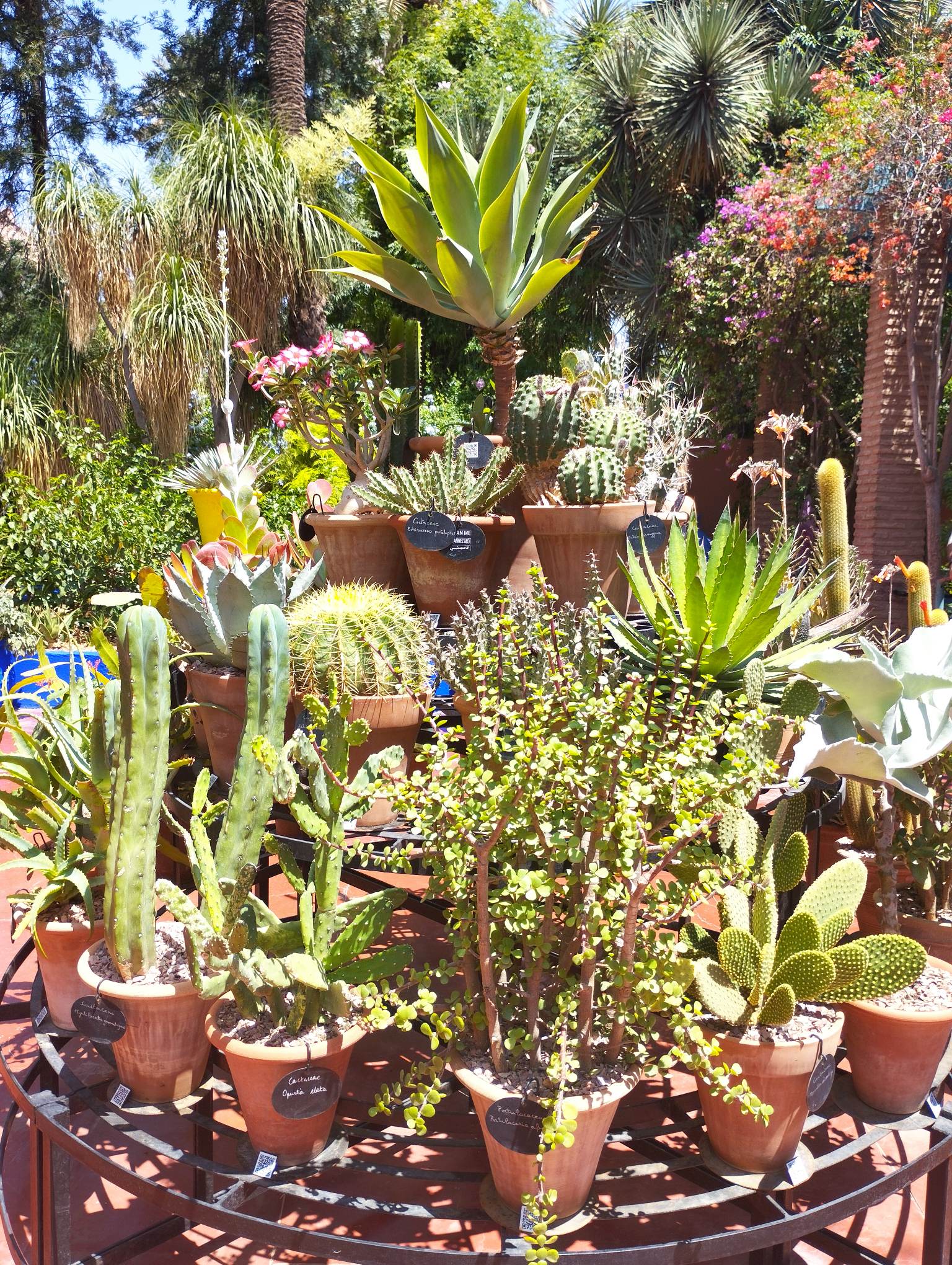
On day two, take a short walk. Go somewhere quiet (Majorelle Garden in Marrakech, the beach in Essaouira, a quiet café). Do not book a tour or visit the big medina yet.
Understand the Noise is Not Danger
The loudness of Morocco is not a threat signal. It is just the noise level of a place where 70% of life happens in the street. Reframe it: you are hearing life happen, not a warning sign.
Do Not Talk Yourself Into Danger
Some first-timers feel overwhelmed and convince themselves they are in danger. They are not. Paranoia and culture shock can feel similar. Remind yourself: you are fine, you are just tired.
Get Offline
Turn off WhatsApp, emails, and news. You are supposed to be disconnected. The stimulation from your phone plus the sensory overload of the medina is too much for one nervous system.
Eat Bland Food on Day One
Moroccan food is wonderful, but tagines and heavily spiced couscous might upset your stomach on arrival day, adding physical discomfort to sensory overload. Eat bread, mild chicken, fruit. Real Moroccan food comes on day three.
When Culture Shock Does Not Ease
If by day four you are still feeling deeply overwhelmed or unsafe, this might not be the right trip for you. That is okay. Some people process new sensory environments more slowly, and that is not a failure.
Talk to your riad owner or guide. They have seen this before. Often a change of pace (going to a quieter town, doing less, moving somewhere coastal) helps.
FAQ
Is it normal to feel scared on day one?
Absolutely. Many first-timers feel a spike of anxiety. You are not in danger, your senses are just overwhelmed. The feeling passes fast.
Should I avoid the medina on day one?
If you can, yes. A medina walk is beautiful but intense. Give yourself a gentle introduction to Morocco first.
Does everyone experience culture shock in Morocco?
Most first-timers do, to some degree. Some handle it faster than others, but the sensory volume hits almost everyone initially.
What if the smell of the medina makes me feel sick?
Common reaction. Keep mentholated tissues with you. Skip the leather tannery tours. Spend time in less-smelly areas like gardens or coastal towns for your first few days.
Is the male attention related to danger?
Not necessarily. It is attention, sometimes unwanted, sometimes just commercial. It is exhausting but not inherently dangerous. Learn to say “La shukran” (no thank you) firmly and move on.
Related reading: Morocco First-Time Guide | What to Wear in Morocco | Morocco Language Guide
Before You Go: Get Covered
Morocco is safe to travel with a little preparation. Travel insurance covers the few things that can still go wrong, from a stomach bug to a cancelled flight.
Read our Morocco insurance guide